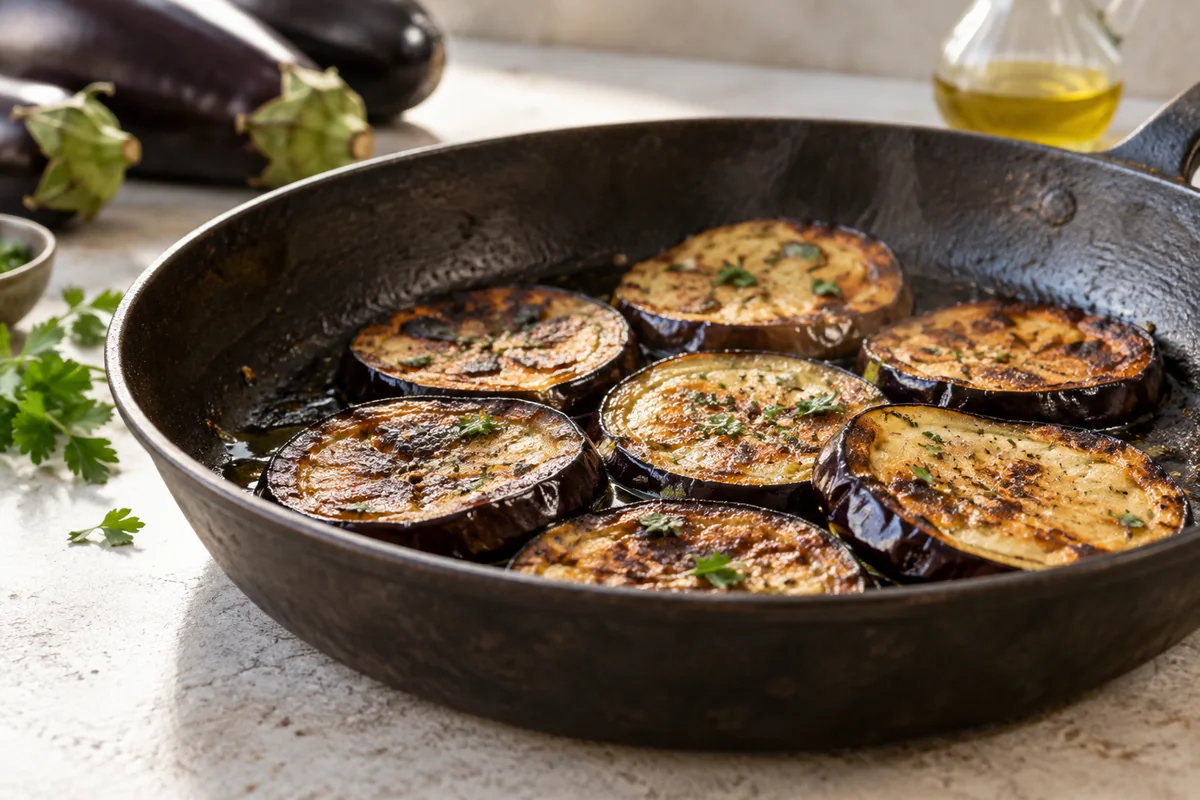
Cooking matters too
Steaming, stir-frying and boiling create different textures. The amount of oil and salt, and the serving size, also matter when planning a meal.
If you know you want home-style food but have not chosen a dish, do not begin with a long list. Start with three simple decisions: how you want to eat, which flavour direction appeals to you, and what information you need before ordering.
A thirty-second route to a decision
First choose a format: a pita eaten by hand, a plate that keeps components clearer, or a warm bowl from the pots. Then choose a direction: aubergine, tahini and amba; tomato and egg; herbs and greens; or soup and stew.
Finally, check the details that change. Current price, options and availability belong in the ordering menu. An ingredient, heat level, allergen or dietary need calls for a direct question to the team before ordering.
What really changes between pita and plate
A pita brings every component into one bite and suits a meal eaten by hand. A plate keeps the main dish, salads, sauces and sides separate, letting you change their balance from one bite to the next.
Sabich, schnitzel, griddled chicken breast and aja are described in pita or plate form. If you are undecided, consider whether you want a close mixture of flavours or more control over sauce, salad and each component.
A plate does not promise a larger serving, and a pita does not mean every side is included. Check those details in the ordering menu. The format describes the eating experience, not the price or quantity.
How to choose by flavour direction
Aubergine, egg and potato provide the soft, substantial base. Salad adds freshness, tahini brings rich sesame flavour, amba adds spiced acidity and hot sauce sets the heat level.
If you want tomato and egg, begin with shakshuka. If you prefer egg with herbs and greens, aja heads in another direction. Sabtucha brings a shakshuka egg together with aubergine, potato and salads from the sabich family.
For a sweet and sour soup direction, look at beet kubbeh. For a bowl with vegetables and a changing stew, look at couscous. Food from the pots can change during the day, so check what is actually offered before deciding.
A short menu glossary
Amba is a sharp, tangy, spiced mango condiment. Tahini is sesame paste. Aja is a herb omelette served with salads and sauces. Beet kubbeh is meat-filled kubbeh in a sweet and sour beet soup.
Sabtucha is a local dish connecting the sabich family with a shakshuka egg. Food from the pots is a useful name for hot dishes such as kubbeh, couscous, meatballs and soup, not a promise that all of them are available at every hour.
The glossary helps with orientation, but it is not a complete ingredient list. When a menu word is unclear, ask about the dish being prepared now rather than assuming it matches a version from elsewhere.
What belongs in the ordering menu
Site pages explain dishes, flavours and context. The active external menu is the place to check current price, choices and availability. If a food story and an ordering option differ, the current menu determines what can be ordered now.
Read the current dish description and review the available presentation, accompaniments and choices before payment.
Questions worth asking before ordering
If heat matters, ask about the hot sauce and amba. If you prefer pita or plate, check which form is offered. If a particular sauce or side matters, confirm what is included and what can be served separately.
For allergens, ingredients or dietary suitability, speak with the team before ordering. A familiar home recipe does not mean a dish from another kitchen contains exactly the same ingredients, and a dish name cannot explain possible contact with other ingredients in the kitchen.
If you have a diagnosed allergy, follow the personal medical guidance you have received. This page is not a diagnostic tool and does not guarantee personal suitability.
Store food responsibly at home
Israel Ministry of Health guidance recommends keeping a home refrigerator at 4°C and cooling cooked food so that it reaches refrigerator temperature within two hours. It also explains that food can look and smell normal even when disease-causing bacteria have grown.
If you take food home, do not leave it for an extended time in a car or on a counter. Follow any specific storage instruction you receive, keep ready-to-eat food separate from uncooked food in the refrigerator, and use the official guide linked below when saving leftovers.
World Health Organization principles add a simple framework: keep clean, separate raw and cooked food, cook thoroughly, keep food at safe temperatures, and use safe water and raw materials. These are general principles, not instructions for a particular dish.
How to use the sources on this page
A government or medical source supports a safety, allergy or labelling question. A cultural source supports a dish or community story. The menu description explains what Complete99 offers. One source cannot perform the job of another.
The review date and editorial owner appear at the end of the page. If an official source updates its guidance, the official source takes priority over our summary. If a menu detail changes, check it in the ordering route before choosing.