Eggs
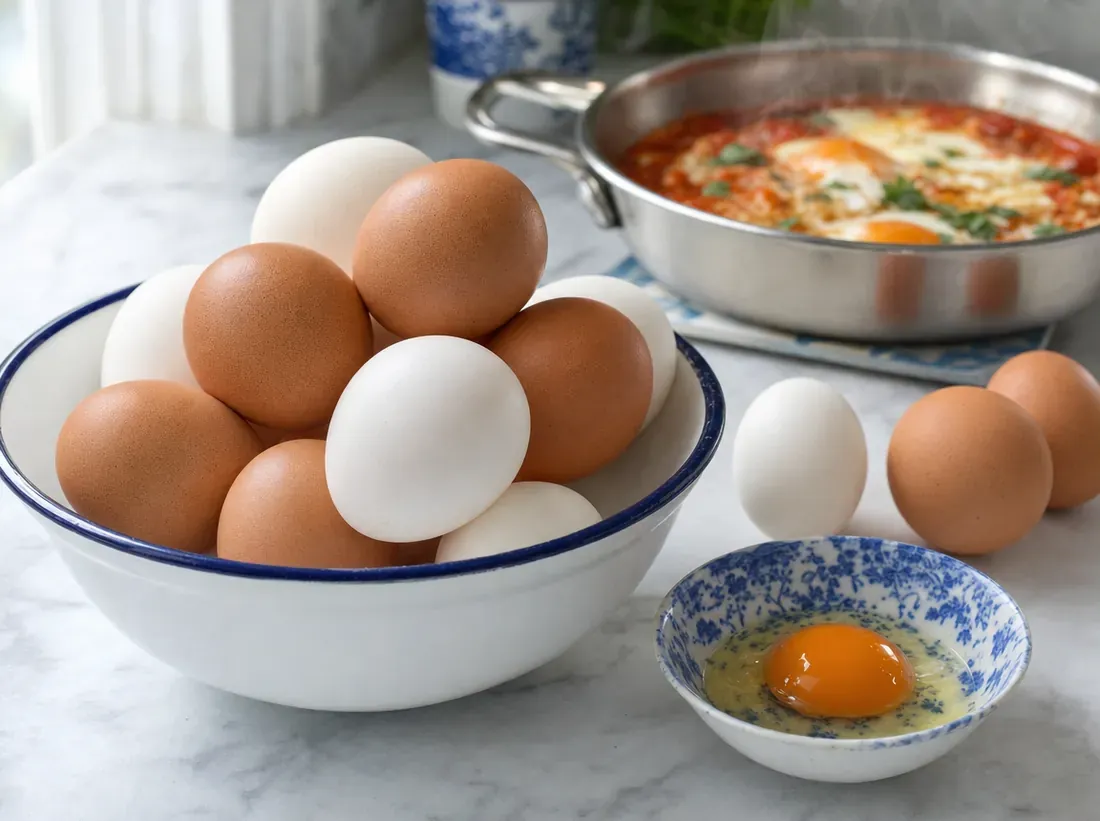
One egg holds an omelette, a cake and matzah balls together, and in hamin it turns into a brown haminado. 100 g of egg without the shell has 12.6 g of protein.
 Illustration
Nutrition by form
Per 100 g
| Form | kcal | Protein, g | Fat, g | Carbs, g | Fibre, g |
|---|---|---|---|---|---|
| Whole, raw | 143 | 12.6 | 9.5 | 0.7 | 0 |
| Hard-boiled | 154 | 12.5 | 10.6 | 1.1 | 0 |
| Soft-boiled | 155 | 12.6 | 10.6 | 1.1 | 0 |
| White | 52 | 10.9 | 0.2 | 0.7 | 0 |
| Yolk | 322 | 15.9 | 26.5 | 3.6 | 0 |
In the hamin pot
How many grams go into each type of hamin, and its share of the pot
- Moroccan beef hamin with potatoes, chickpeas, rice and eggs342 g9% of the pot
- Beef hamin with potatoes, chickpeas, wheat and eggs342 g9% of the pot
- Beef hamin with potatoes, white beans and eggs, canola oil342 g10% of the pot
- Beef hamin with potatoes, white beans and eggs, soybean oil342 g10% of the pot
- Beef hamin with wheat, potatoes and eggs, canola oil456 g14% of the pot
- Beef hamin with wheat, potatoes and eggs, soybean oil456 g14% of the pot
- Vegetarian hamin with pearl barley, chickpeas, eggs and potatoes228 g10% of the pot
- Vegetarian hamin with eggs, chickpeas, white beans and potatoes, canola oil285 g17% of the pot
- Vegetarian hamin with eggs, chickpeas, white beans and potatoes, soybean oil285 g17% of the pot
- Vegetarian hamin with eggs, wheat and potatoes456 g16% of the pot
Dishes built on it
The percentage is its share of the dish by weight
- Fried egg or omelette100%
- Egg salad88%
- Vegetable omelette76%
- Soup dumplings64%
- Matzah brei55%
- Meringue kisses48%
- Sponge cake46%
- Matzah balls42%
- Chocolate soufflé42%
- Moroccan beef hamin with eggs9%
Goes well with
The ingredients that appear with it most often in the same recipes
Where to buy
Every point on the map has a name and a business type. Zoom in to see the names without a click.
In view now
Hamin for Shabbat, ready made
How many people, when and what budget. We send a proposal for group and office food.
Frequently asked questions
How much protein is in an egg?
100 g of egg without the shell has 12.6 g of protein, about 7 g in a medium egg. Most of the protein is in the white.
What is a haminado egg?
An egg in its shell that cooks all night inside the hamin or next to it. The shell and the white turn brown and the yolk turns creamy.
How long do you boil an egg hard?
About 10 minutes from boiling water, then cool it in cold water so the shell peels easily.
More ingredients for the pot
 Illustration
Chickpeas
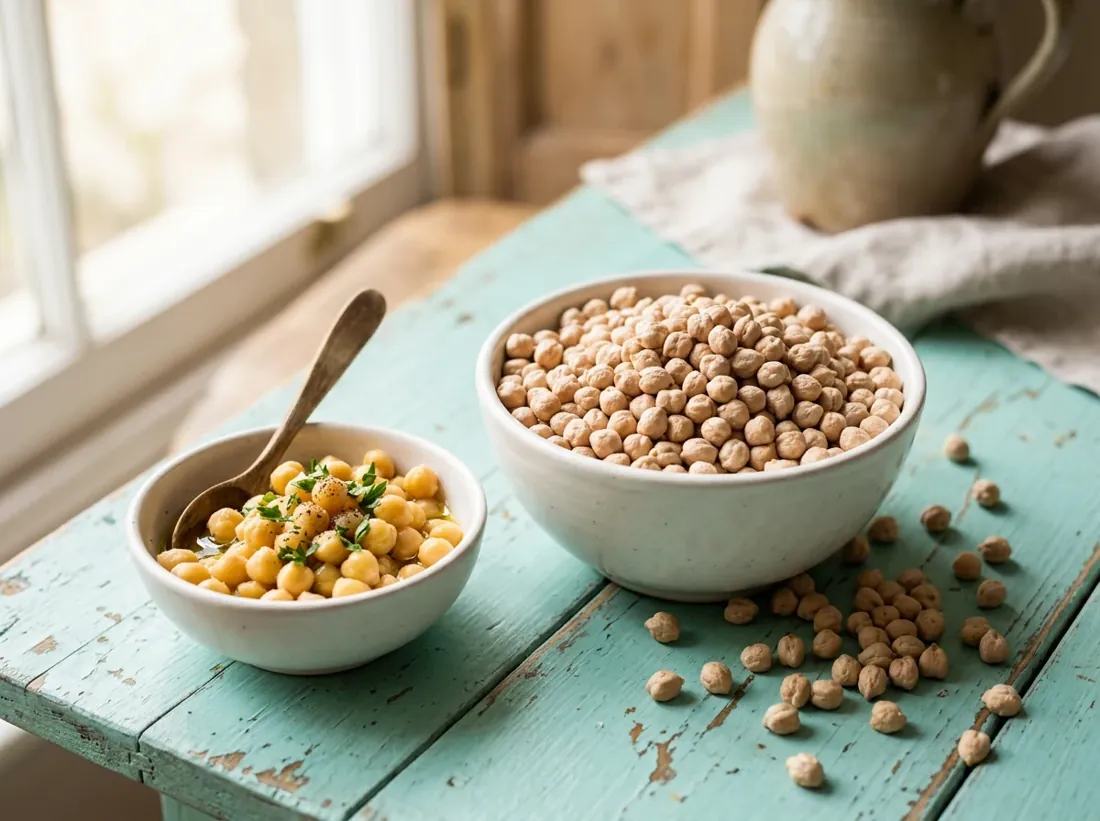
Dry chickpeas are the base of hummus, falafel and dafina.
 Illustration
Potatoes
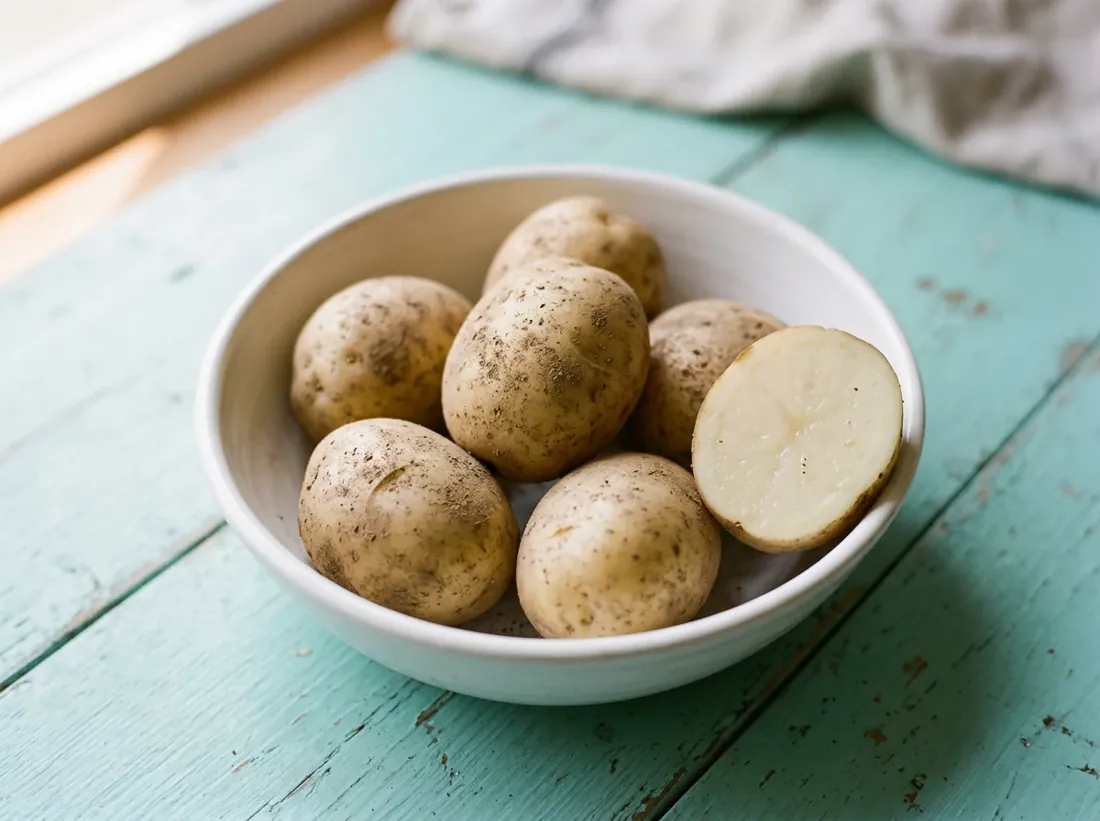
The potato is in almost every home pot: mash, latkes, kugel and hamin.
 Illustration
Beef shank
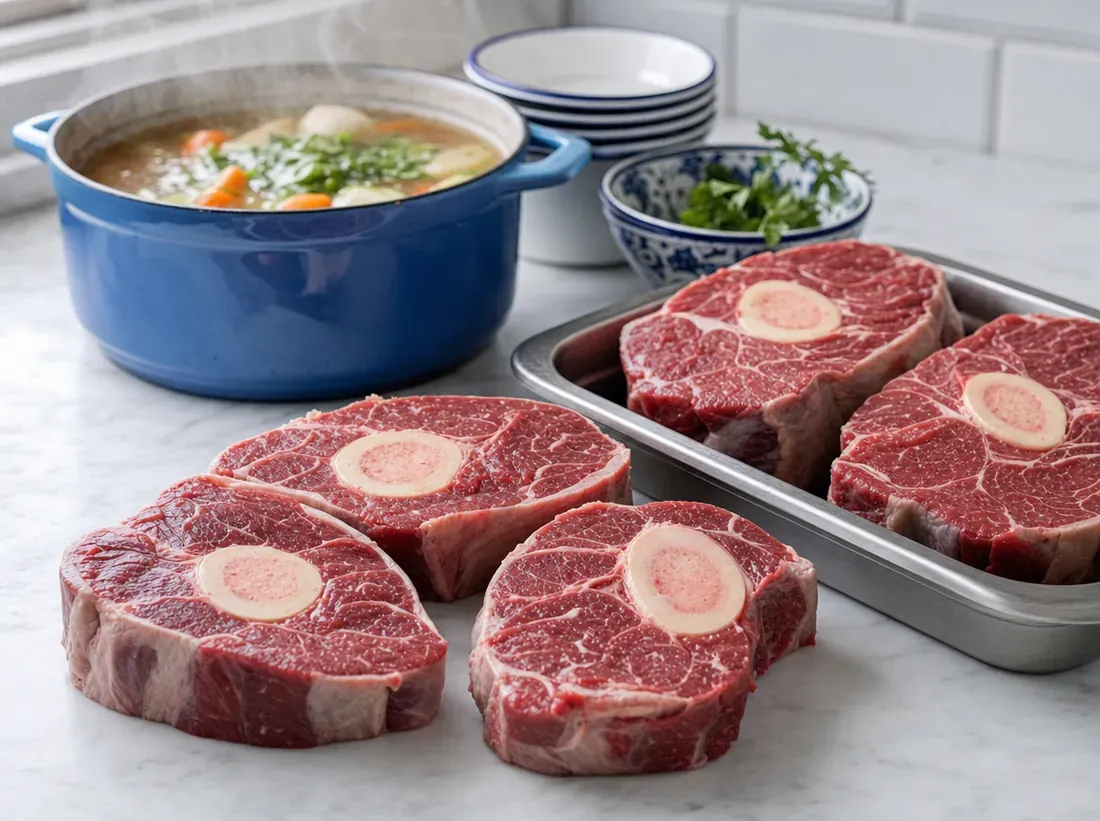
Shank is the cut hamin is built on: plenty of connective tissue that turns soft enough to fall apart with a fork after a long slow cook.