Miso
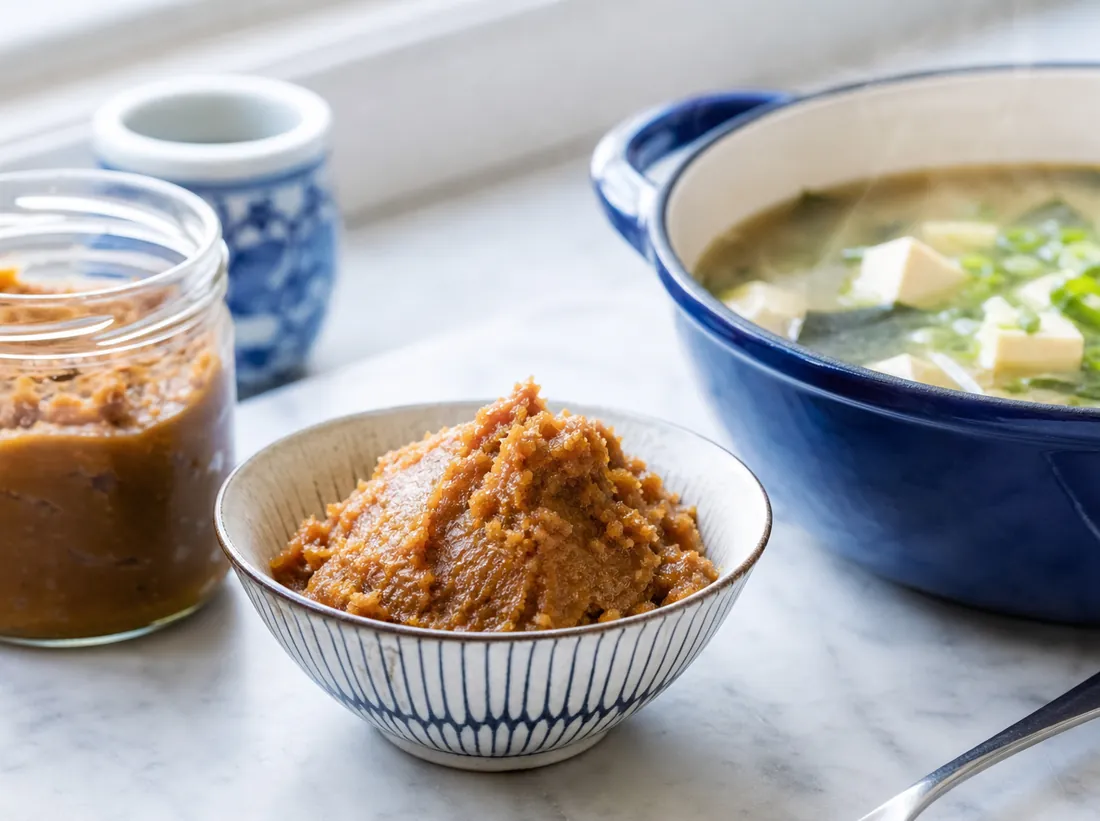
Miso is a fermented Japanese paste of soybeans, salt and koji, which is rice or barley grown with the mould Aspergillus oryzae. It is salty, slightly sweet and rich in umami, and it goes into miso soup, dressings, marinades and glazes for fish and vegetables.
 Illustration
What is Miso
Soybeans are boiled or steamed, mashed and mixed with salt and koji. Koji is steamed rice, or barley, sown with spores of Aspergillus oryzae; in about two days of warmth and humidity it is covered in a soft white bloom. The mixture is packed into vessels and left to ferment for anything from a few weeks to several years. The longer and warmer the ferment, the darker, saltier and deeper the miso.
The koji's enzymes do the work: they break the soy proteins into amino acids, glutamate among them, and the rice starch into sugars. That is the flavour: salt, gentle sweetness and deep umami. The same mould makes soy sauce, sake and mirin in Japan, and it is also the koji starter culture you can buy to make miso at home.
Price and where to buy
500 g
per kg
Where
White and red miso are sold at the Asian supermarkets around the Tel Aviv Central Bus Station and Florentin, the Asian shops near Carmel Market, online Asian grocers and some natural food shops, which also carry organic and barley miso. Some Israeli supermarket chains keep miso in the chiller or on the Asian shelf. Dark soybean miso and unpasteurised miso are harder to find, so ask ahead.
Shelf prices, October 2026, VAT included.
Kinds of Miso
White miso (shiro miso)
A short ferment with plenty of rice koji. Pale, sweetish and less salty, for gentle soups, salad dressings and miso butter.
Red miso (aka miso)
A longer ferment, reddish brown, salty and deep. Good for winter soups and stews, and you use less of it.
Mixed miso (awase miso)
A blend of white and red, in the middle for taste and salt. One miso that works for almost everything.
Barley miso (mugi miso)
Made with barley koji instead of rice, with an earthy, sweet smell. It contains gluten.
Soybean miso (mame miso)
Only soybeans, salt and koji grown on the soybeans themselves, fermented for a year or more. Very dark, thick and slightly bitter; hatcho miso is the best known.
How to use Miso
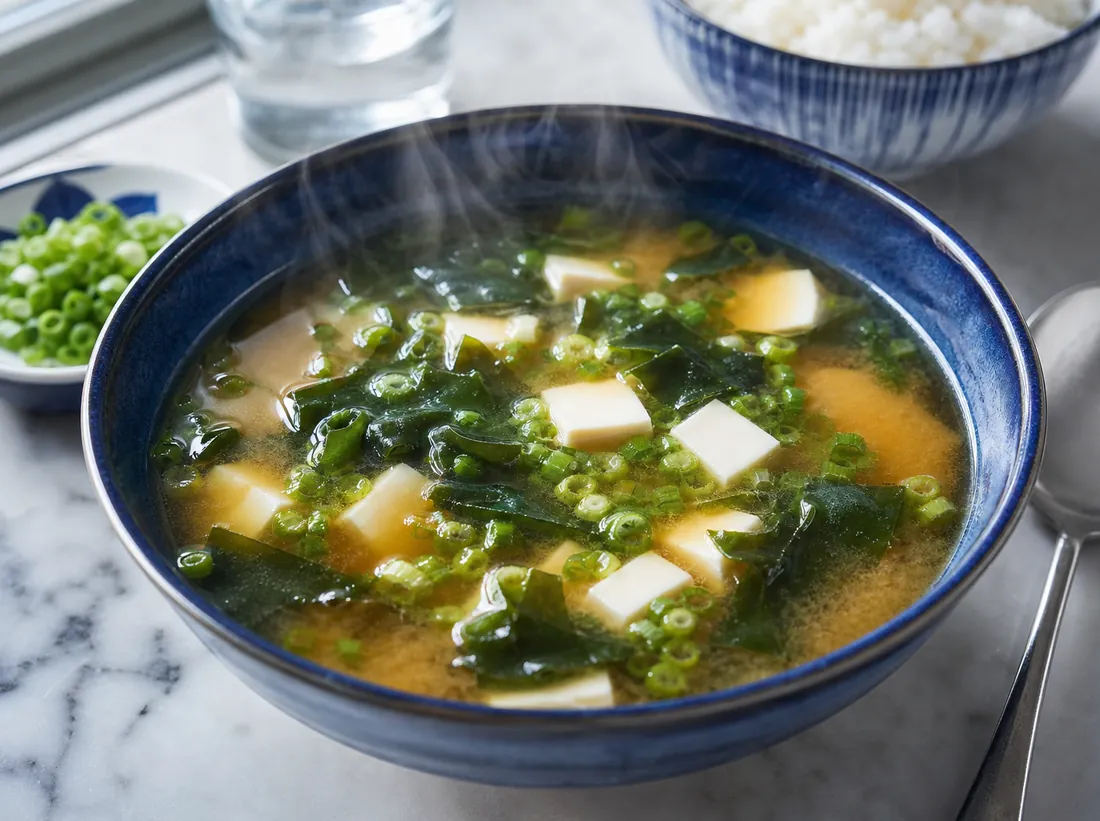
Miso soup
About 15 to 18 g, a heaped tablespoon, for every 200 ml of dashi. Dissolve the miso in a bowl with a little stock, add it to the pot below the boil and do not boil again.
Salad dressing
A tablespoon each of white miso, rice vinegar and sesame oil, a teaspoon of sugar and a little water. Whisk smooth and use on lettuce, cucumber or avocado.
Glaze for fish or aubergine
Two tablespoons of miso, a tablespoon of mirin and a teaspoon of sugar. Brush on for the last few minutes under the grill or in a hot oven, since miso burns quickly.
Miso butter
A tablespoon of white miso to 50 g of soft butter. On corn, pasta or roast vegetables. This is a dairy dish.
In stews and soups
A teaspoon or two in vegetable soup, lentil stew or tomato sauce, at the end of cooking. It works like salt with depth.
How to choose Miso
Read the label: good miso is soybeans, rice or barley, salt and water. Additions such as sugar or dashi powder change the taste, and sometimes add fish.
Unpasteurised miso, labelled live or nama, is more aromatic and keeps developing in the fridge. Pasteurised miso is more stable.
Dark liquid on the surface is natural; stir it back in. A very dark, dry top layer points to an old pack.
Look for a kashrut mark on the pack, and if you avoid gluten, choose rice or soybean miso and check the ingredients.
What to use instead of Miso
| Substitute | How, and what changes |
|---|---|
| Red miso for white | About two thirds of the amount, since it is saltier. Deeper and less sweet. |
| Soy sauce | Two teaspoons of soy sauce for a tablespoon of miso in soup or stew. Similar salt and umami, but no body or cloudiness. |
| Tahini with soy sauce | A tablespoon of raw tahini and a teaspoon of soy sauce for a tablespoon of miso in a dressing or glaze. Body and salt, without the fermented note. |
How to store Miso
In the pantry
In the fridge
In the freezer
The science of Miso
Koji, the engine of miso
Aspergillus oryzae releases proteases into the rice, which cut proteins into amino acids, and amylases, which break starch into sugars. Over months of fermentation, in salt that keeps spoilage away, yeasts and lactic acid bacteria add aroma and a gentle sourness.
Why miso darkens
The amino acids and sugars released by the koji react with each other in Maillard reactions, slowly and at room temperature. A long, warm ferment pushes the reaction further, which gives red miso its colour and roasted taste. In the fridge it carries on, only slowly.
Why you never boil miso
Miso's aroma is built from volatile compounds of fermentation, and boiling drives them off within minutes, leaving a soup that is salty and flat. Strong heat also clumps the proteins into grains. So miso goes in at the end, into liquid that is hot but not boiling.
Ask for Miso
Looking for Miso and cannot find it? Send a request and we will come back with a price and availability.
- Tell us how much you need and by when.
- We come back with a price, pack size and availability.
- Pick up at 99 Ibn Gabirol or delivery in Tel Aviv.
Frequently asked questions
What is miso?
A fermented Japanese paste of soybeans, salt and koji, meaning rice or barley grown with the mould Aspergillus oryzae. It is salty, slightly sweet and rich in umami.
What is the difference between white and red miso?
White miso ferments briefly with plenty of rice koji, so it is pale and sweetish. Red miso ferments longer, is darker and saltier, and you use less.
What does koji have to do with miso?
Koji is miso's fermentation starter. Its enzymes break the soy and rice down into amino acids and sugars, and that is where all the flavour comes from.
Where can I buy miso in Israel?
At Asian supermarkets and shops, online Asian grocers, some natural food shops and some supermarket chains, in the chiller or on the Asian shelf.
Is miso kosher?
Miso is made from soy, grain and salt, but some miso has added fish based dashi, and kashrut depends on production. Look for a kashrut mark on the pack.
Does miso contain gluten?
Barley miso does. Rice and soybean miso usually do not; check the ingredients and the label.
How long does miso keep in the fridge?
Six months to a year after opening, in a closed box. It darkens and deepens with time, which is natural.
The Complete99 pantry
Ingredients and kitchen gear, with prices and availability.