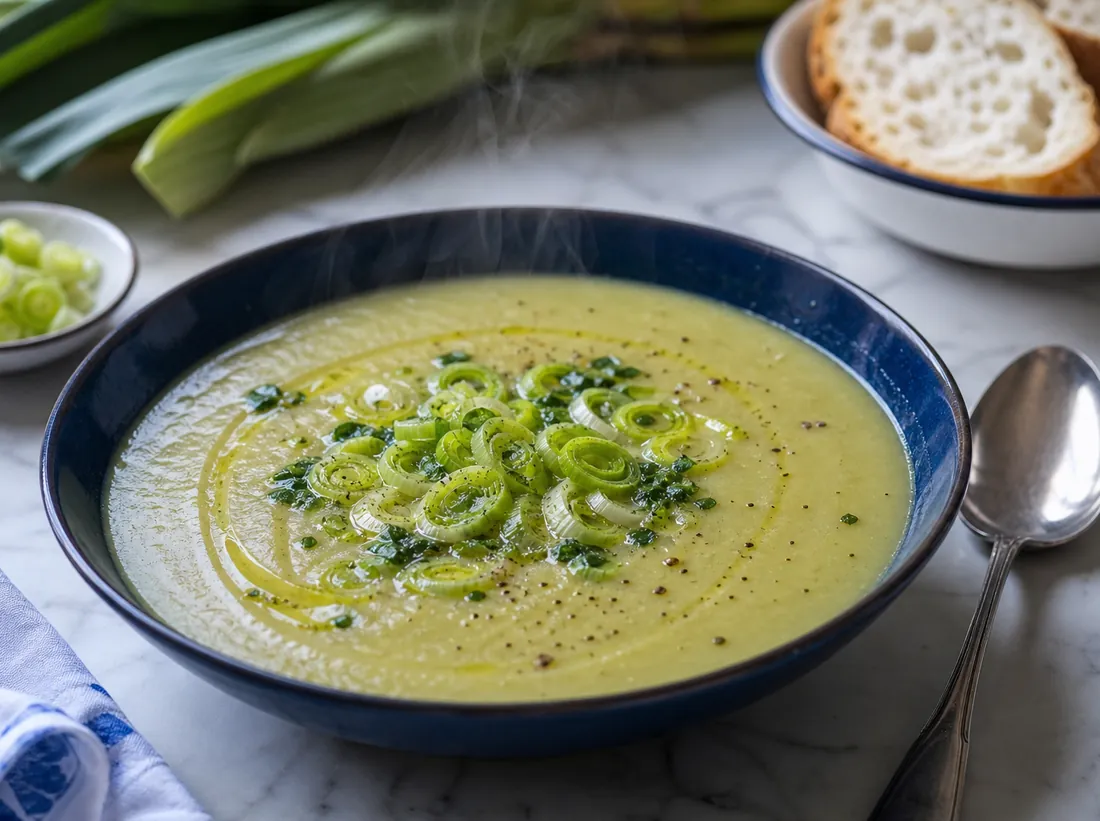
The story of Chestnut soup
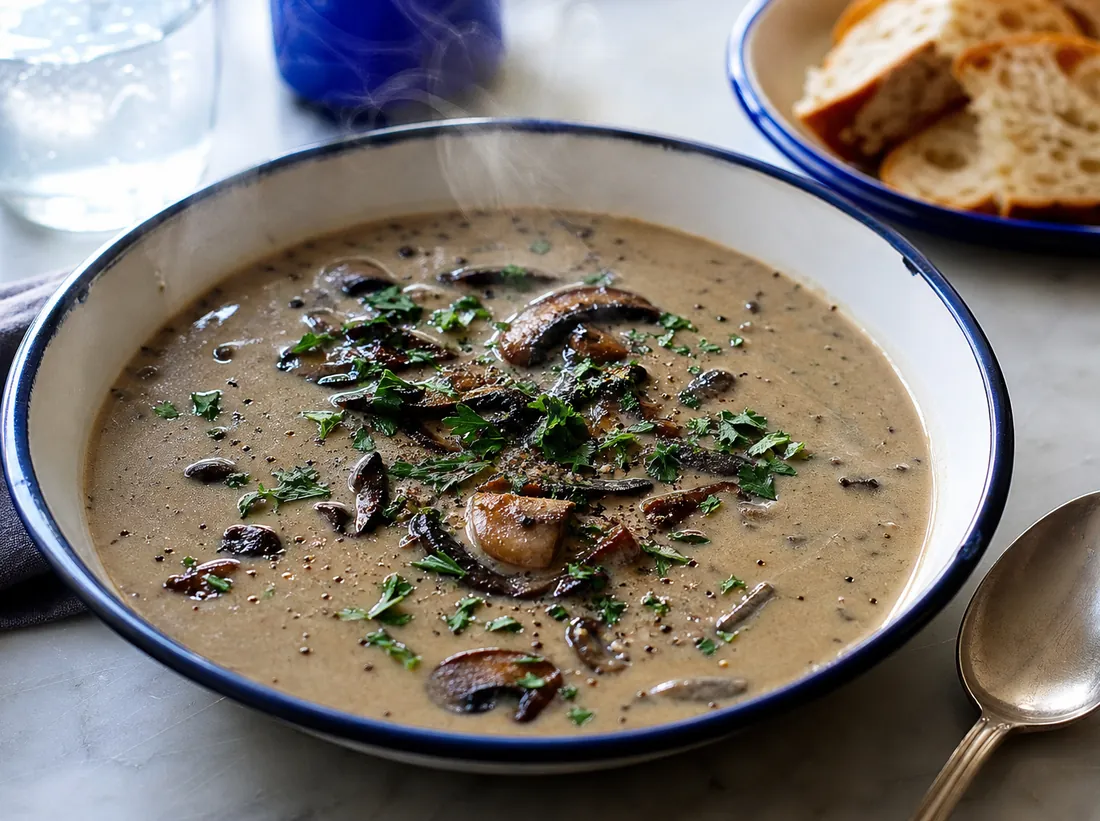
In the mountain regions of Europe, in Corsica, the Apennines and southern France, the chestnut was once a staple food, and many villages ground it into flour and baked bread from it, which is how it earned the name bread tree. Chestnut soups are part of French and Italian cooking, from smooth cream of chestnut to rustic soups with vegetables and wild mushrooms.
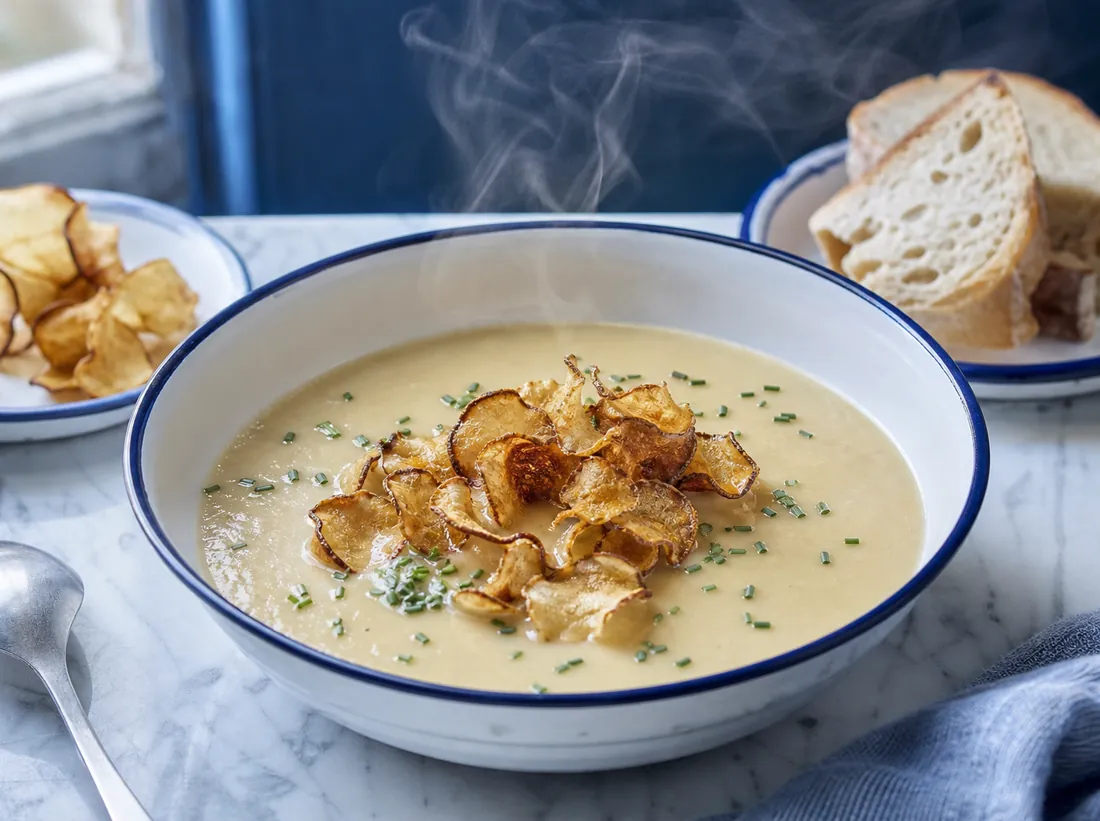
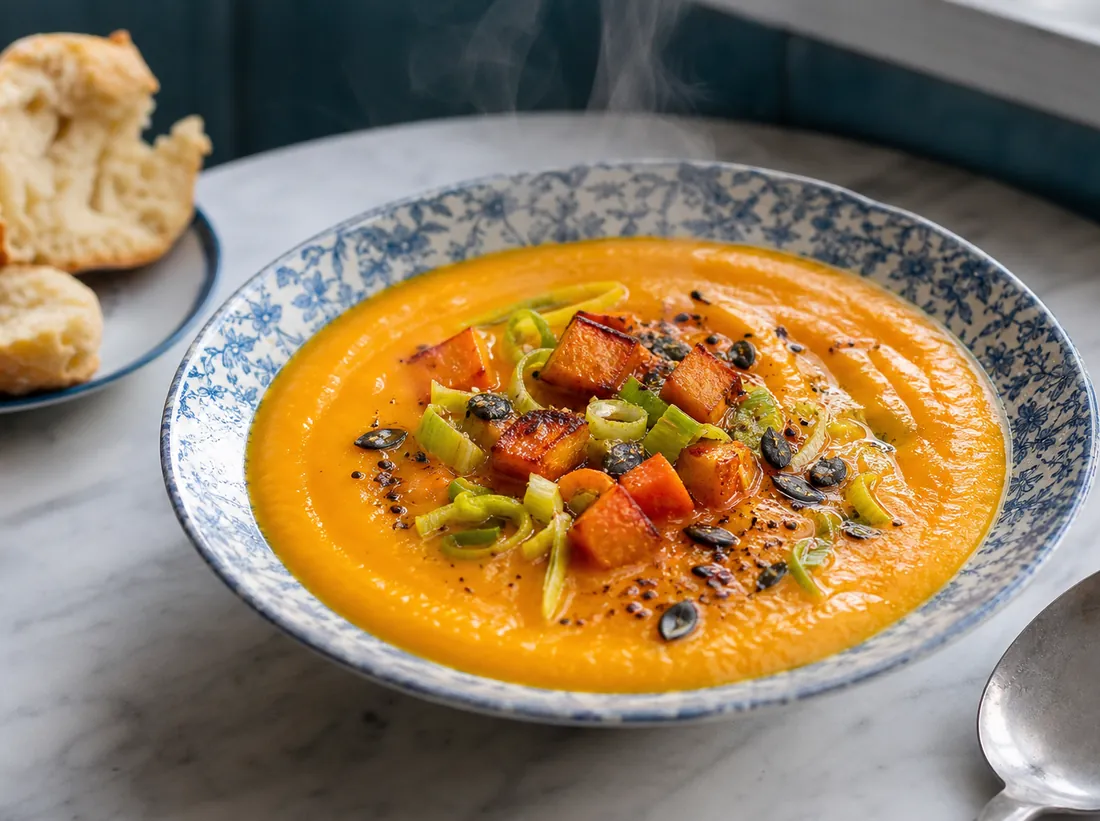
In Israel chestnut soup came into the home kitchen when roasted, peeled chestnuts in vacuum packs reached every supermarket shelf. What used to be a day of scoring, roasting and peeling became a half hour soup. Since then it has been a loved winter soup, alone, with mushrooms, with sweet potato or with Jerusalem artichoke.
What makes Chestnut soup itself
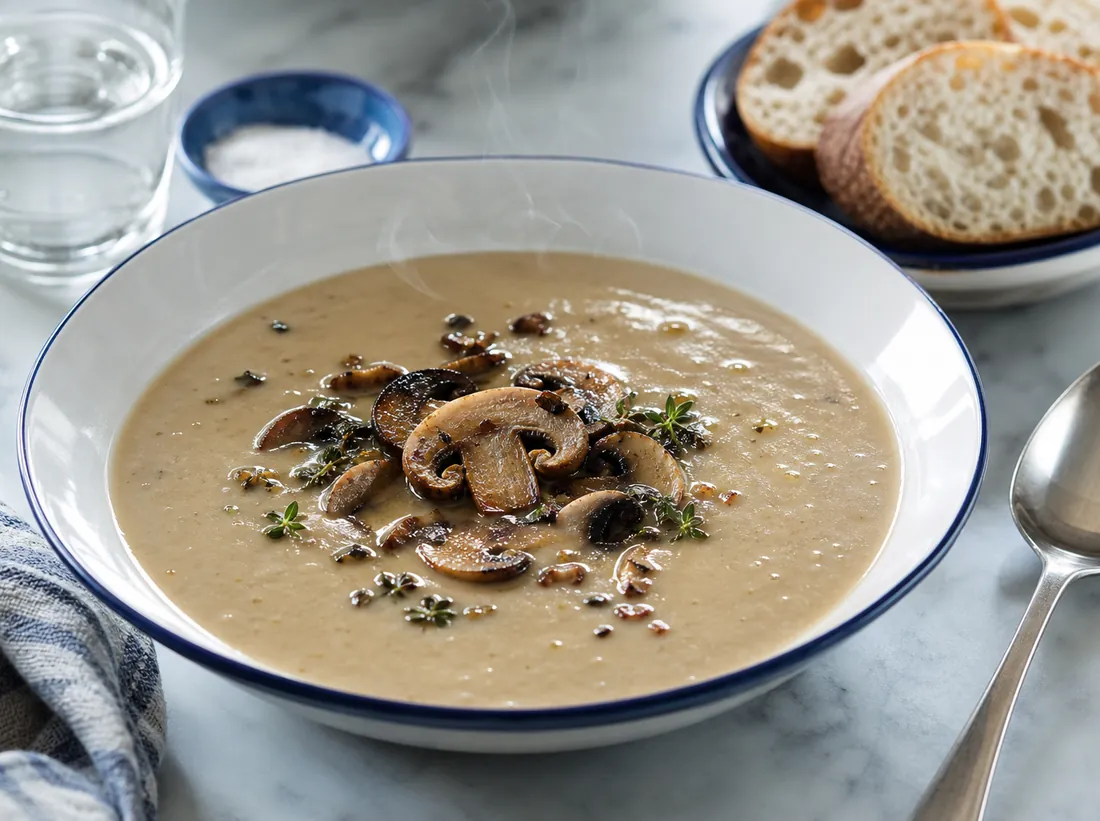
A chestnut is a nut that behaves like a potato. Unlike almonds or walnuts it has very little fat and plenty of starch and water, so it blends into a thick, smooth soup without help. Roasting gives it a smoky sweetness, and all the soup needs is a base that does not hide it: onion sweated slowly, celery root for freshness, and a little cream at the end. The browned mushrooms on top add savouriness and bite, and without them many find the soup too sweet.