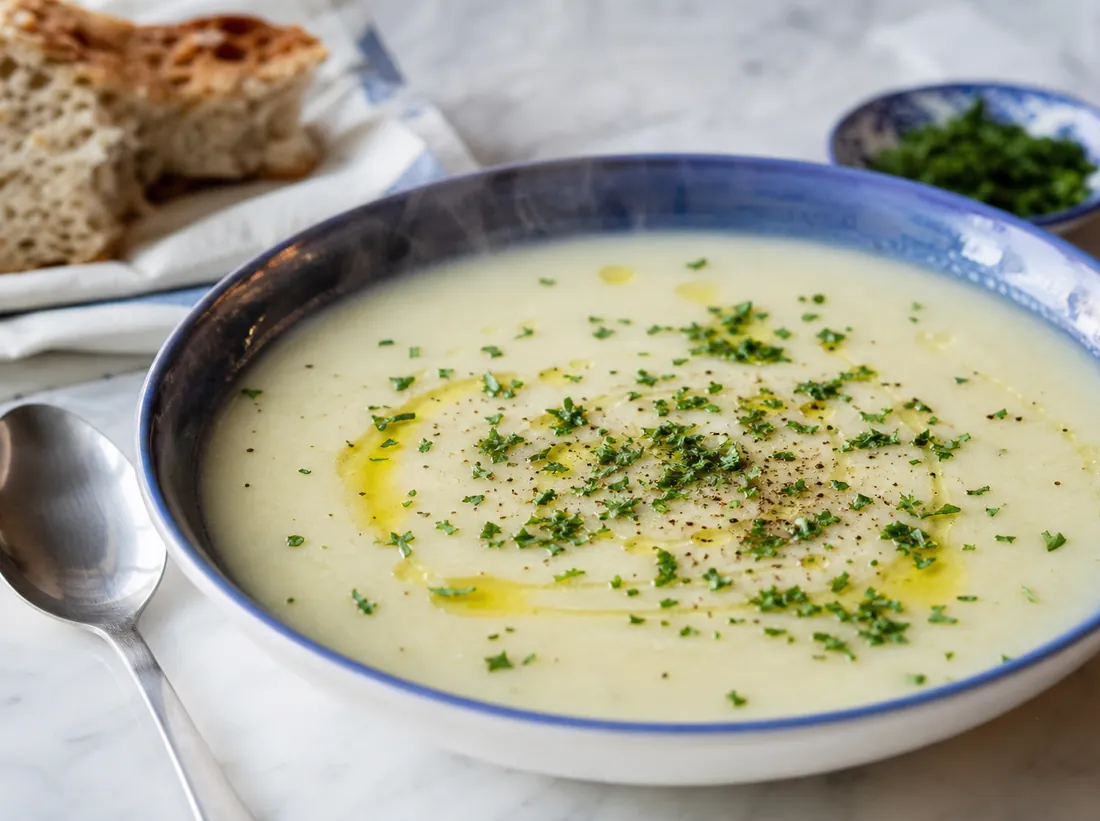
The story of Root vegetable soup
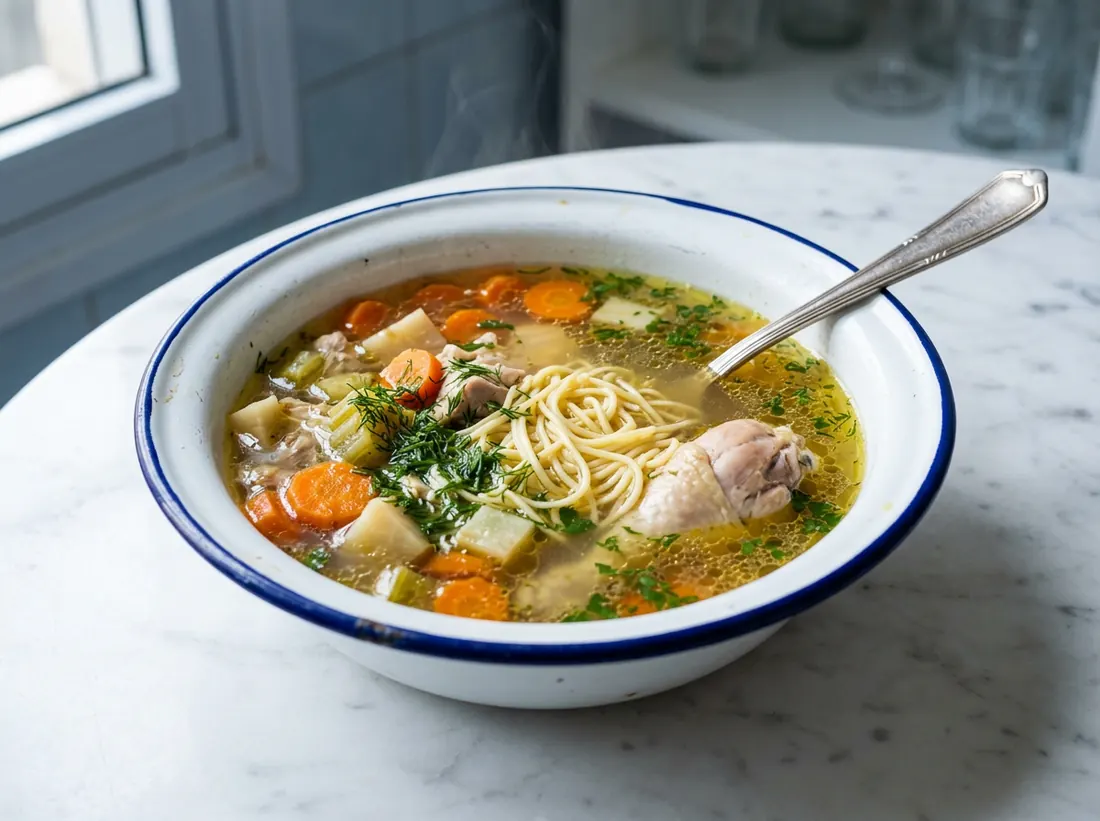
In Eastern and Central Europe, root vegetables were the food of winter. They kept for months in the cellar after everything else had run out, and parsnip, parsley root and celery root were fixtures of Polish, German and Russian cooking. Anyone who grew up on Ashkenazi chicken soup knows them from the Friday pot, where they give the stock its sweetness and aroma and usually get left on the side.
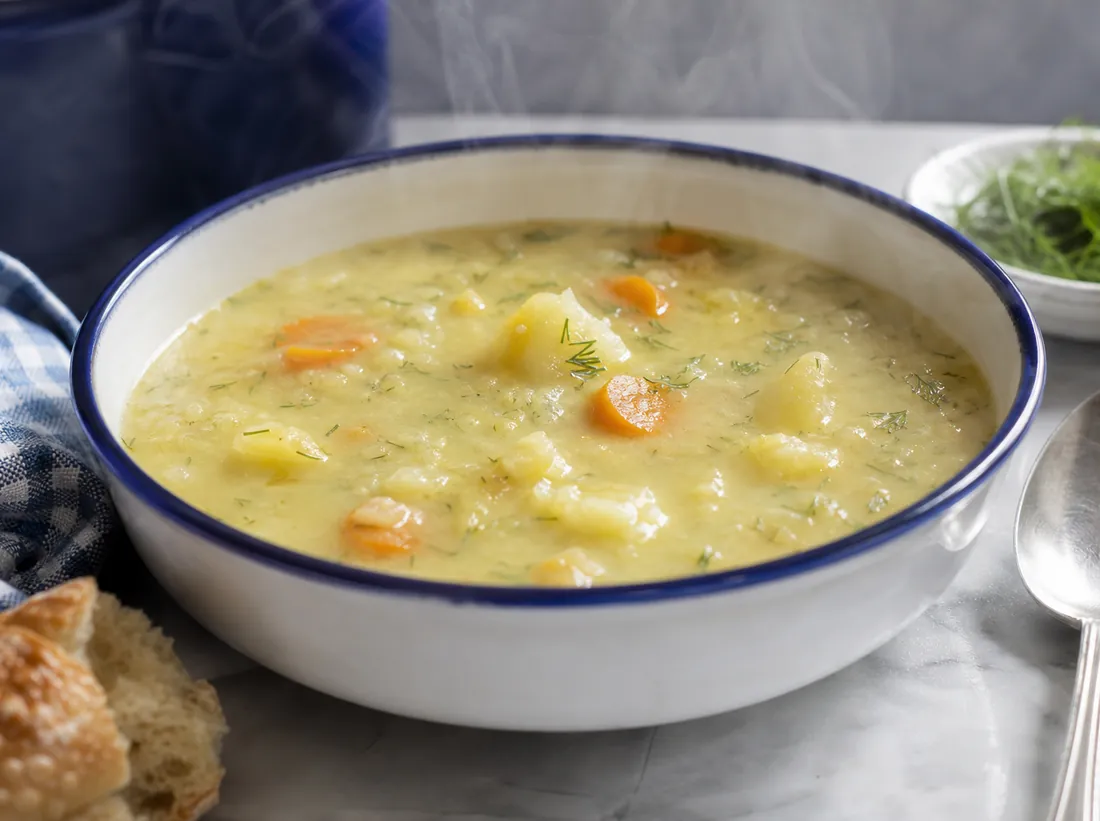
In Israel the white roots are at their best in winter, and most of them still go into chicken soup. As a soup in its own right, white root soup is the cream soup of cold days: the roots themselves on stage, alone, and in more festive versions with chestnuts or Jerusalem artichokes.
What makes Root vegetable soup itself
White root soup is an exercise in balance. Celery root gives earthy depth, parsley root a sharp, herbal scent, parsnip sweetness and starch, and kohlrabi and turnip lightness and a gentle cabbage bite. With too much of those last two the soup smells of cabbage, so they are no more than a quarter of the pot. Everything is sweated over low heat, without browning, and seasoned with white pepper so the colour stays ivory.