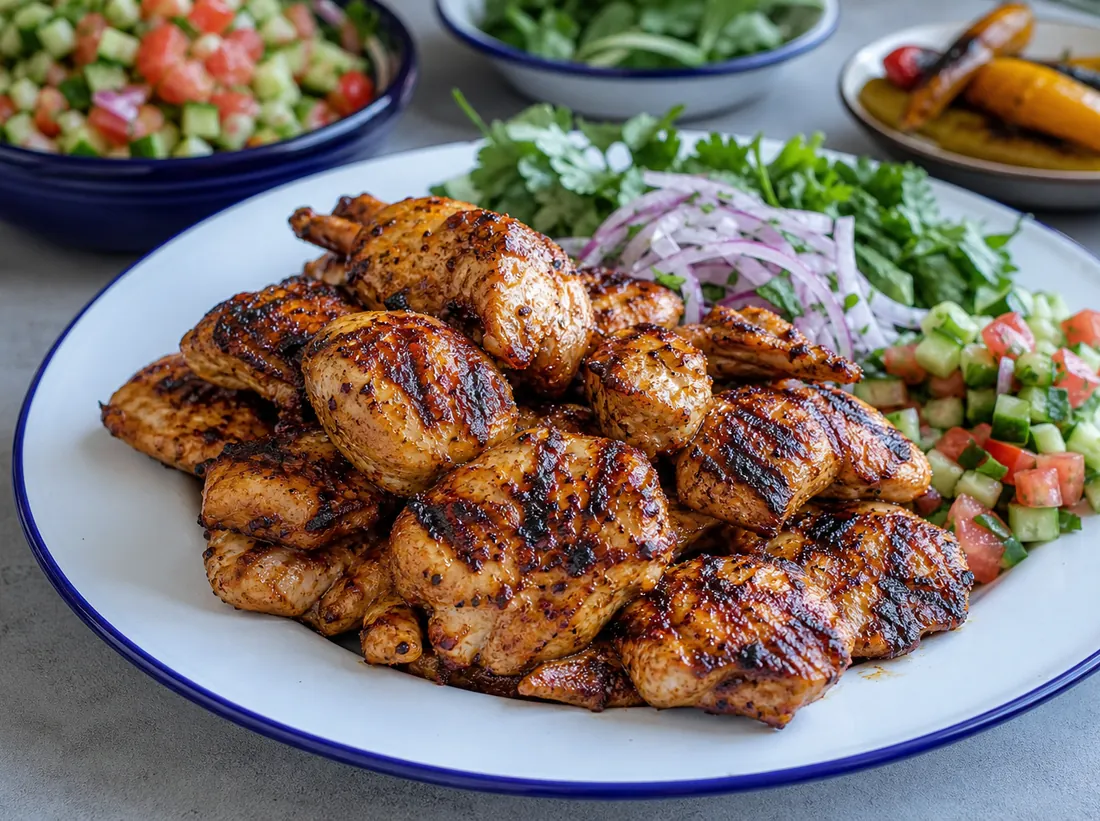
The story of Pargiot, grilled chicken thighs
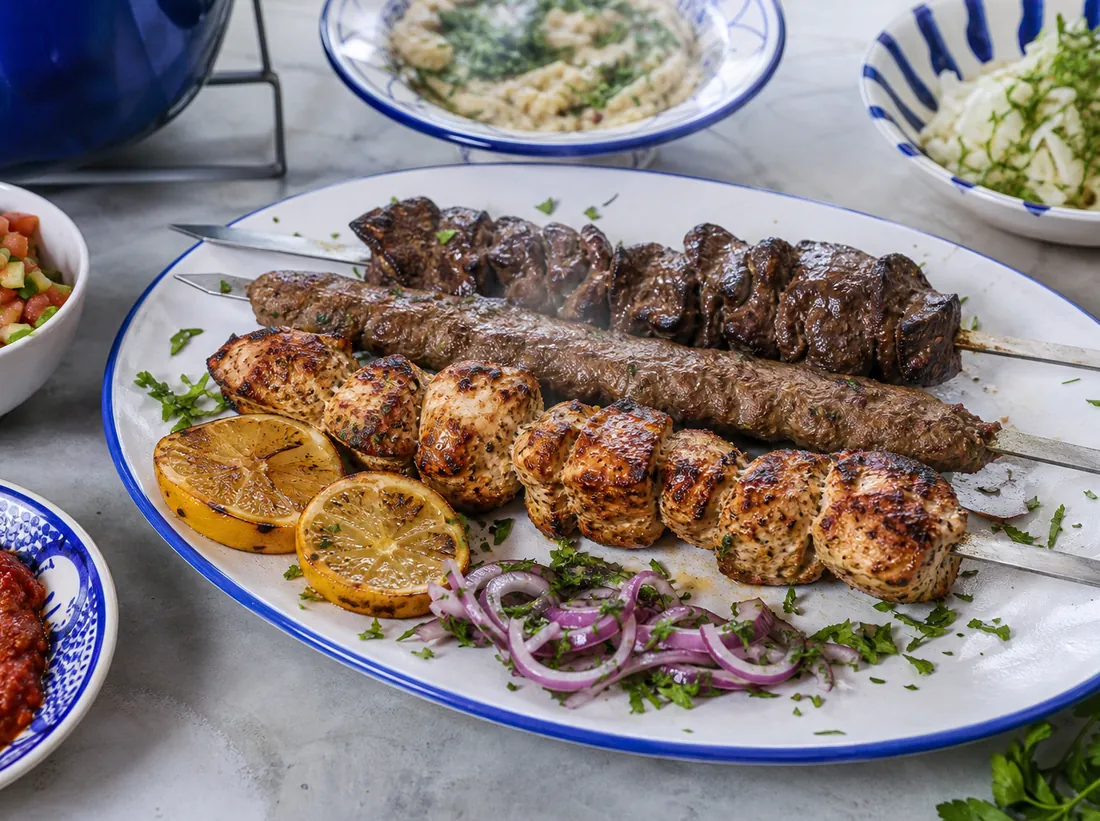
In Hebrew a pargit is a young chicken, but in Israel the word took on a new meaning: a boneless, skinless chicken thigh. It became the star of the steakiya, the small grill house of skewers, salads and pita found in every town and at every junction. Pargit is cheaper than beef, hardly dries out on the grill and soaks up any seasoning, which is why it is part of almost every order.
Away from restaurants, the pargit is the queen of the mangal, the Israeli barbecue. On Independence Day the parks fill with smoke, and most grills carry pargiot next to kebab, sausages and wings. At home it became the base of countless recipes, from oven baked pargiot to homemade shawarma on a griddle, but the basic version stayed the same: salt, garlic, paprika, cumin and a hot fire.
What makes Pargiot, grilled chicken thighs itself
Pargit is forgiving because of what is in it: fat between the fibres, connective tissue that turns into gelatine, and dark meat that stays juicy at temperatures where breast meat is already dry. So working with it is simple: salt it early, use very high heat, and do not touch it until it releases from the grate. Chicken breast is the opposite, lean and unforgiving, and every degree counts. Grill both and you learn the difference between meat that waits for you and meat you have to wait on.