The story of Skewers
Grilling meat on a skewer over embers is one of the oldest ways to cook meat, and in Turkey, Iran and Central Asia it became an art. The Turkish word şiş, skewer, gave shish kebab, and Russian borrowed shashlik from the Tatars. Every region has its own skewer: Persian koobideh of minced meat on a wide skewer, fiery Turkish Adana, the lamb shashlik of Bukhara and Uzbekistan, and Iraqi tikka of meat cubes.
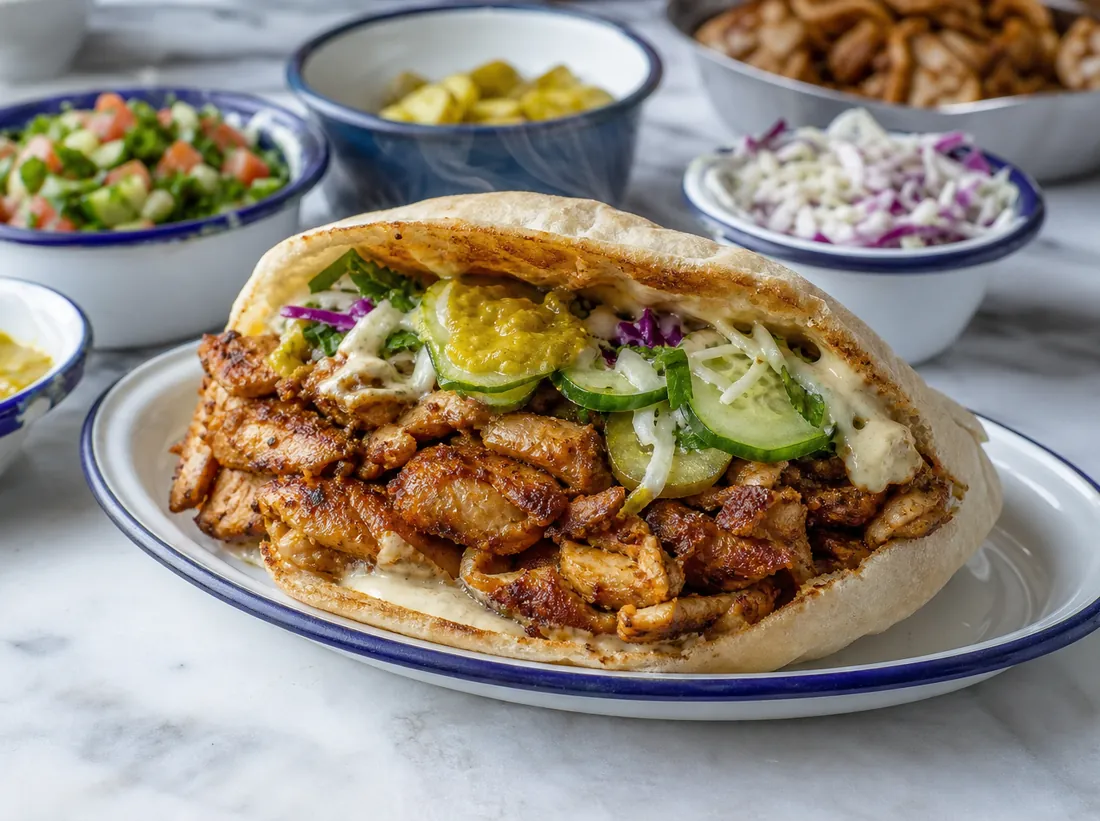
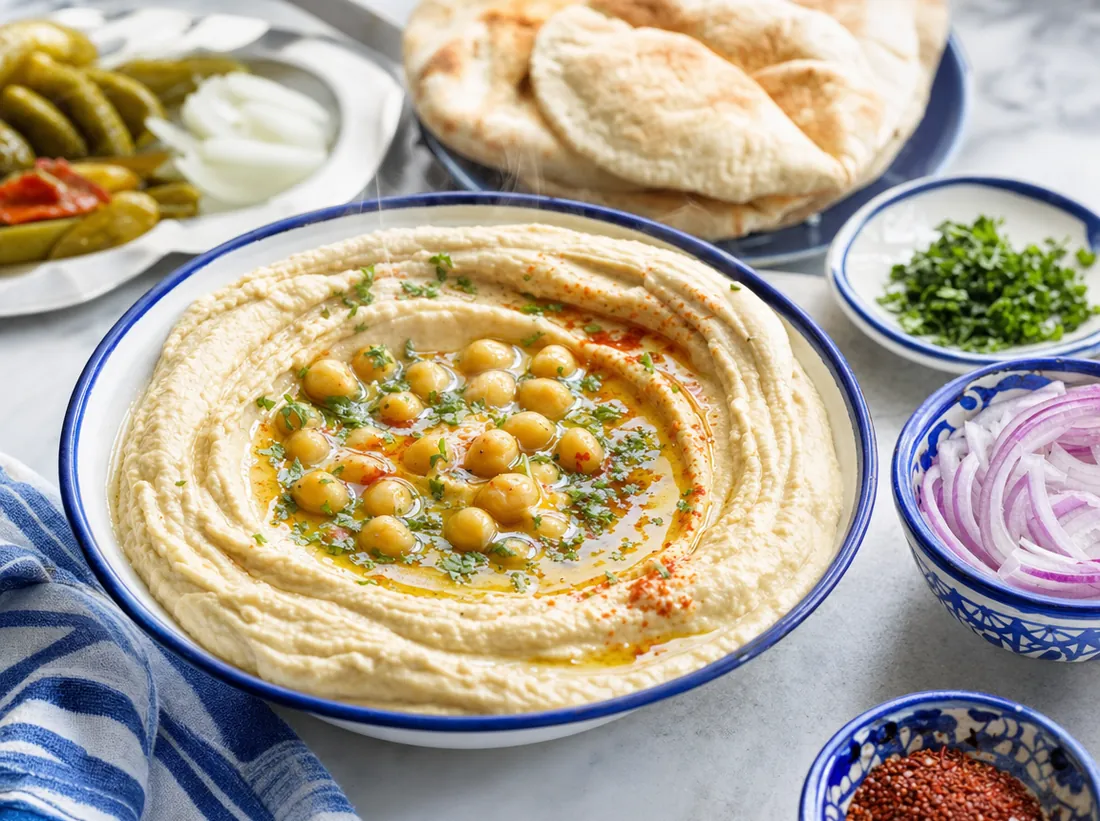
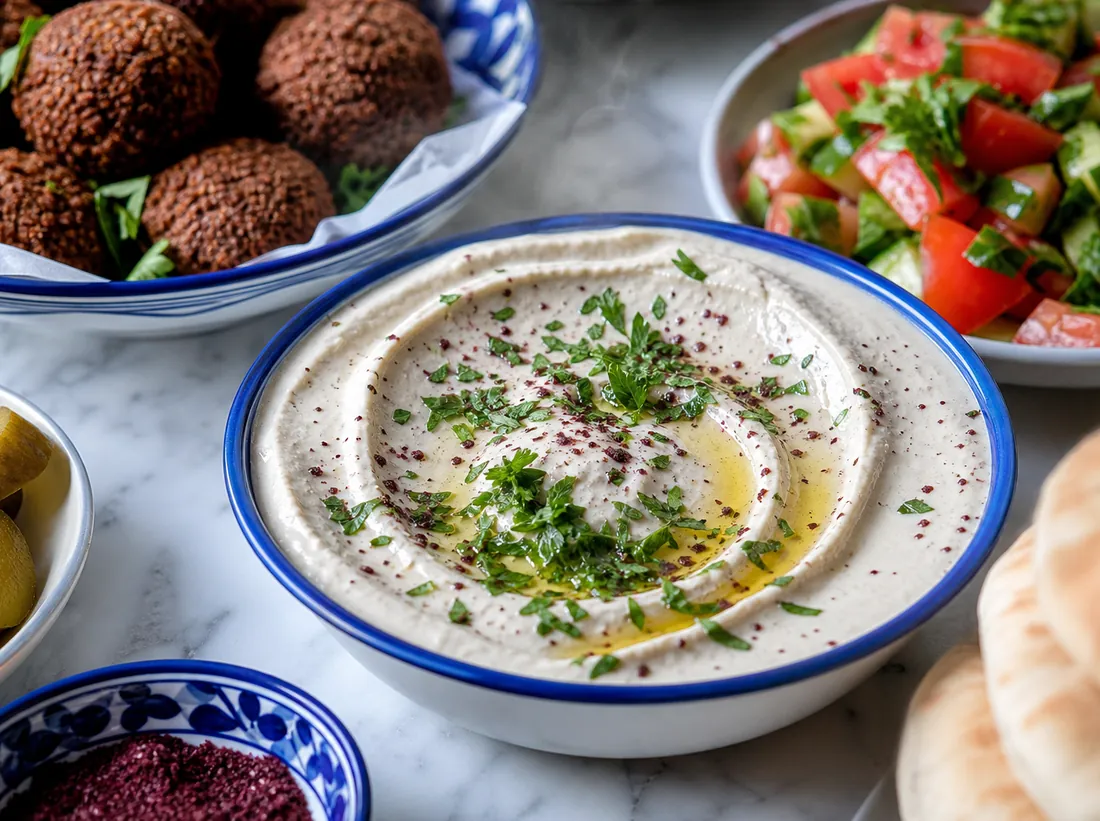
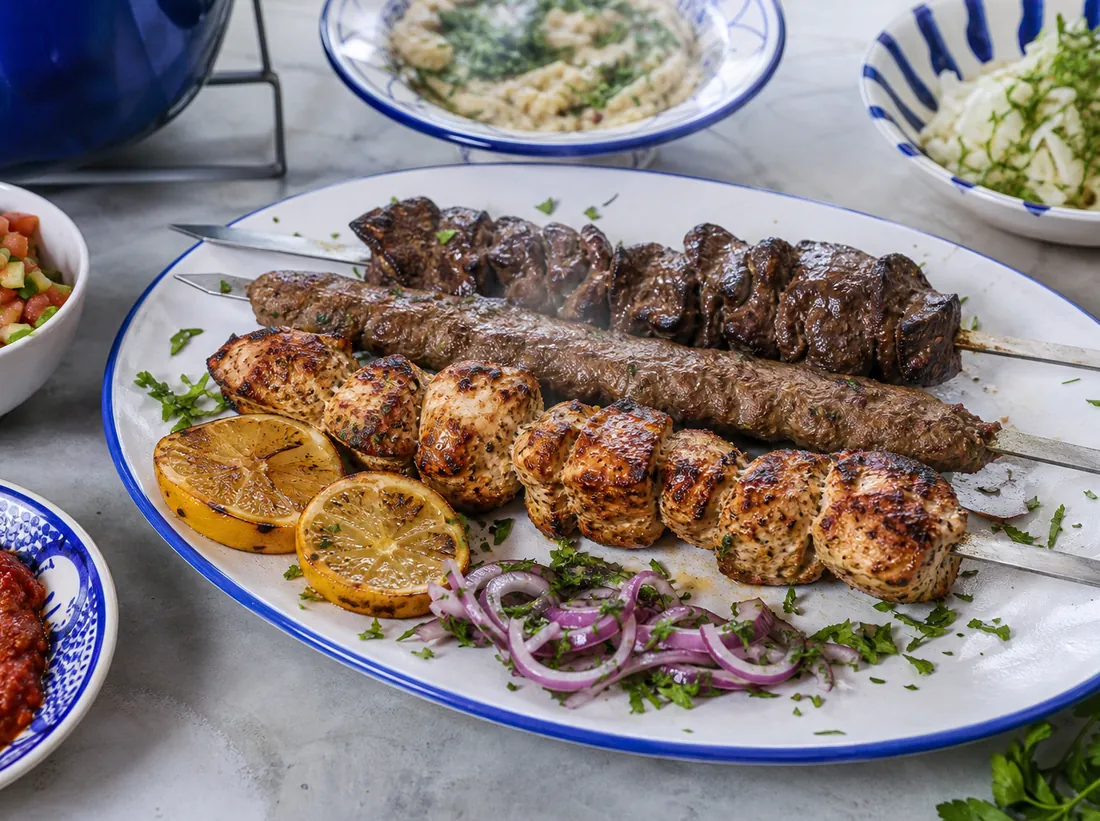
In Israel skewers are part of the identity: the Independence Day barbecue in the parks, the smell of charcoal in every neighbourhood on Friday afternoon, and Mizrahi skewer houses that cover the table with little salads, hot pitas and hummus before the meat arrives. Immigrants from Iraq, Kurdistan, Bukhara and Iran each brought their own skewer, and next to chicken and kebab the Israeli grill took in chicken livers, hearts and boneless thighs.
What makes Skewers itself
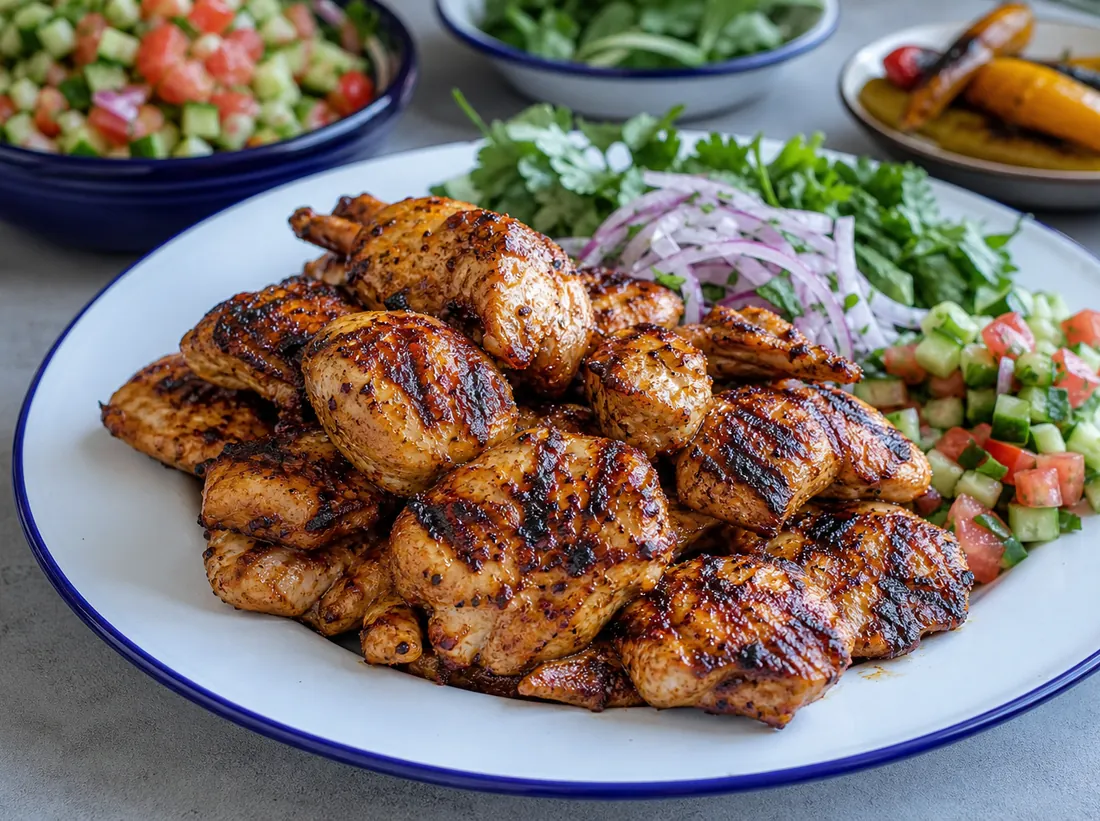
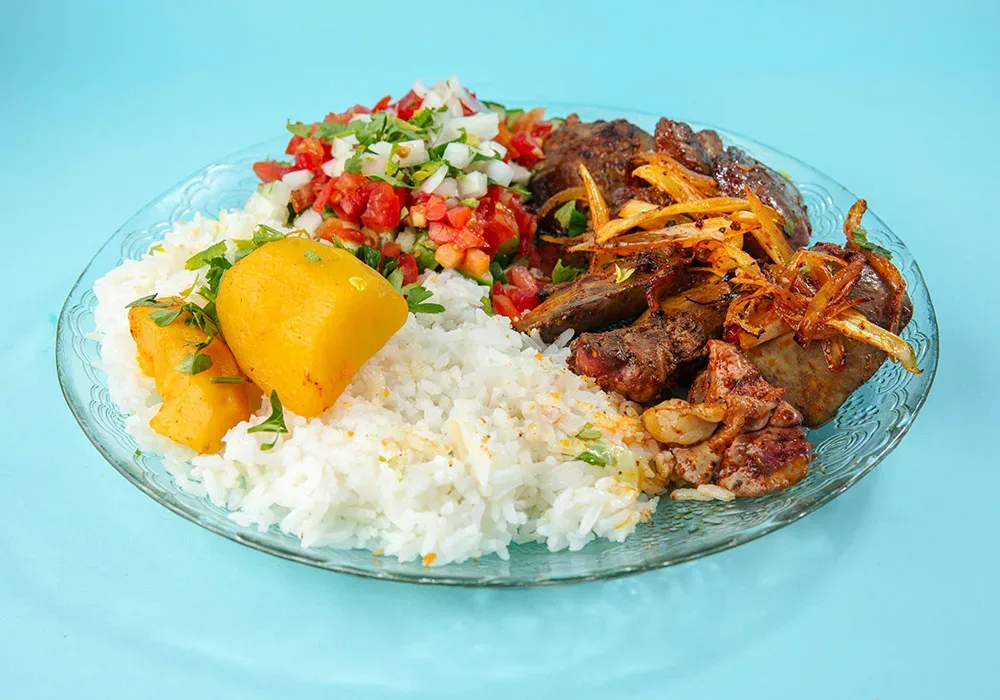
The Israeli skewer is a spread, not a single dish. On one grill you cook chicken, which needs medium heat and time; kebab, which needs high heat and a flat skewer to hold it; and liver, which needs blazing heat and a few minutes. So you work with two zones: dense coals on one side for searing and a thin layer on the other for finishing. In a kosher kitchen the liver has a special role too: it can only be koshered by broiling over an open flame, so the grill is its natural home.