The story of Tahini sauce
The name tahini comes from the Arabic root meaning to grind, as in Hebrew. Sesame is one of the oldest oil crops in the region, and the craft has hardly changed: the seeds are soaked, lightly crushed and put into brine, where the hulls sink and the kernels float. The hulled kernels are gently roasted and ground between millstones into a smooth paste. Nablus and the Galilee have a long tradition of tahini mills.
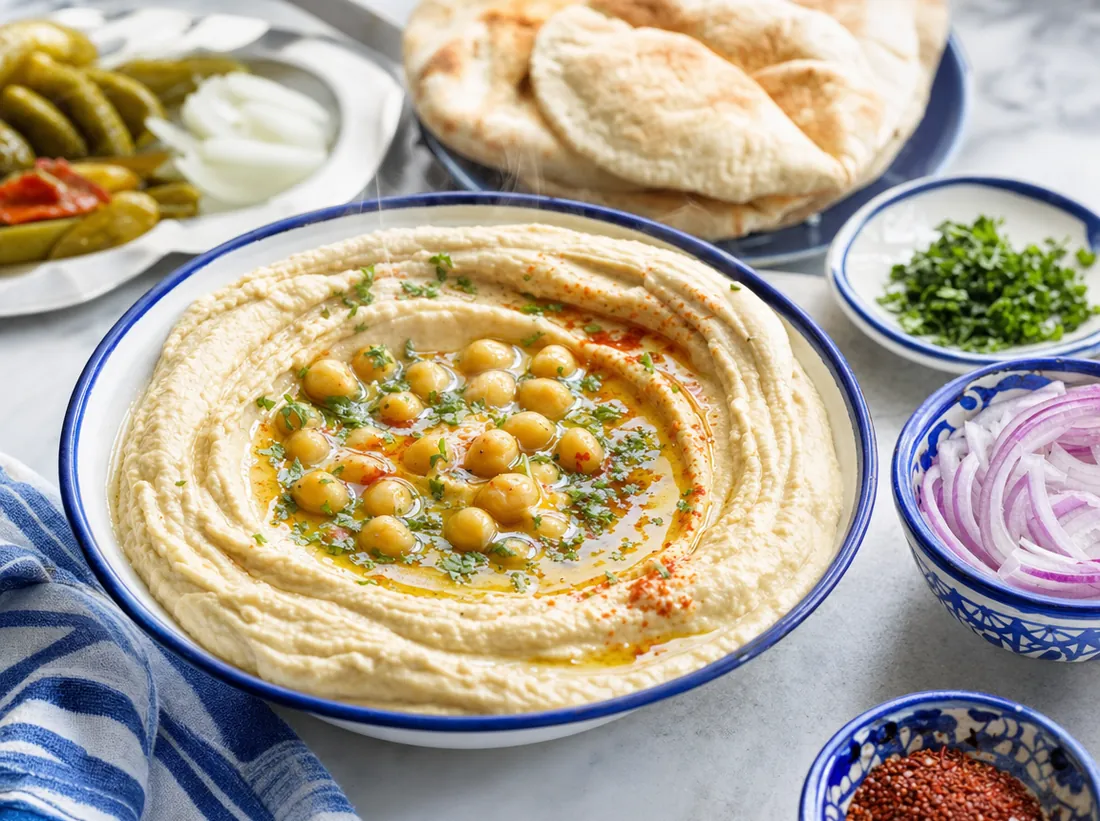
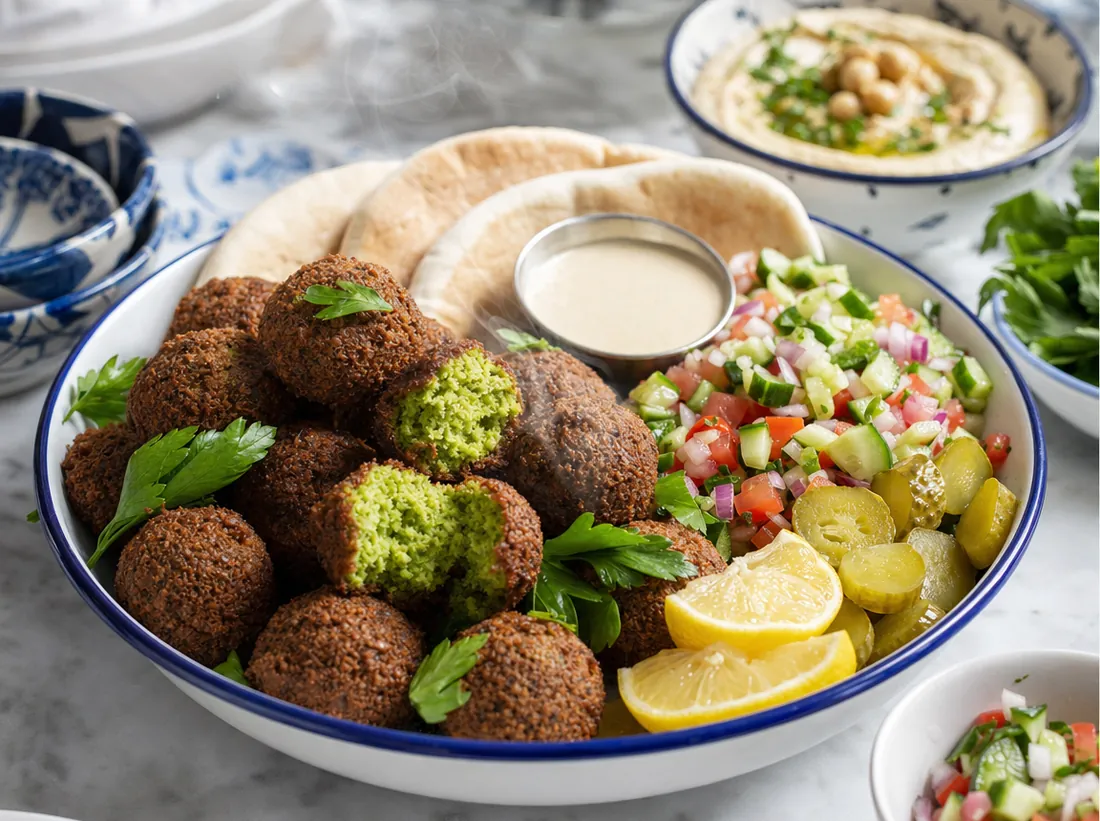
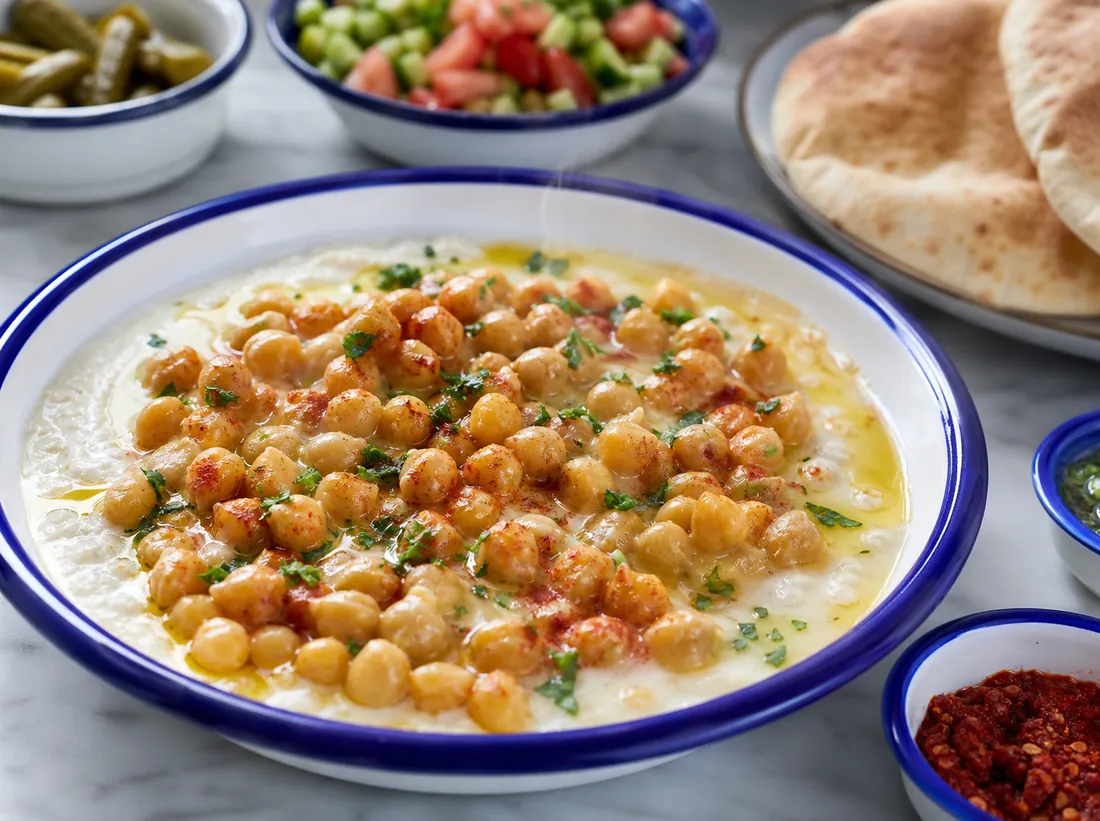
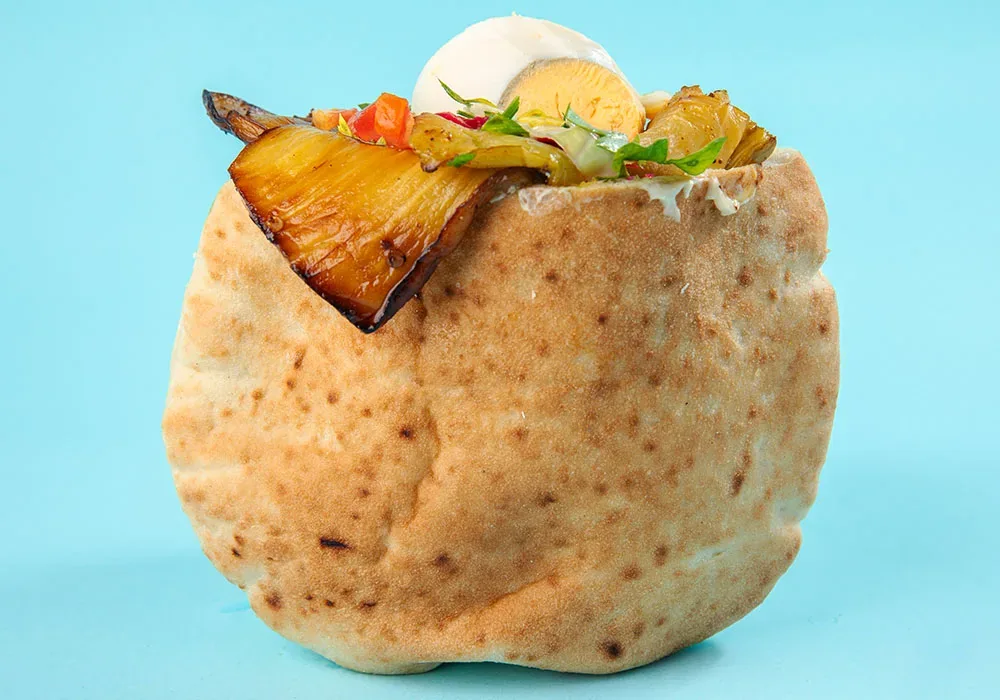
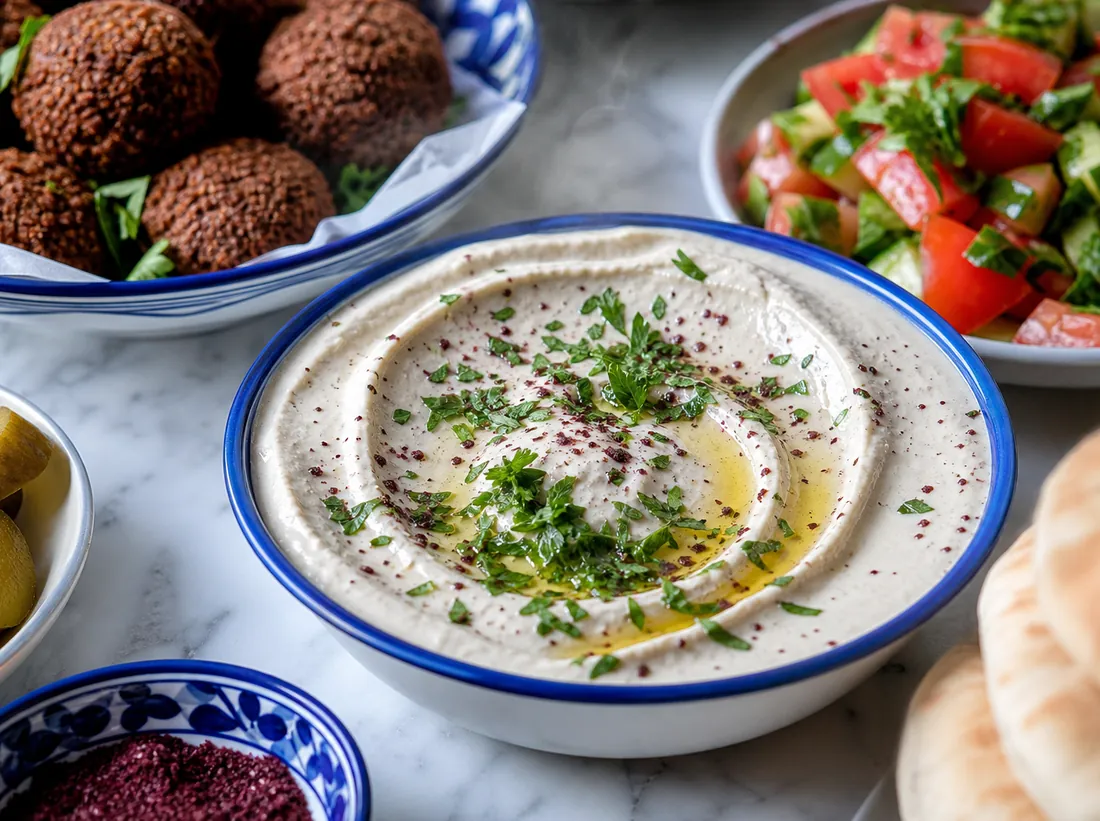
In Israel tahini is almost the national sauce. It is poured over falafel, shawarma and sabich, goes into hummus, is baked with meatballs and fish, and in recent years has found its way into cakes, cookies and desserts too. Many Israeli tahini makers prefer Ethiopian sesame from the Humera region, considered especially sweet and fragrant.
What makes Tahini sauce itself
Tahini sauce has only five ingredients, so every one of them shows. Good raw tahini is slightly sweet and fragrant, with no bitterness at all. The basic ratio is roughly equal weights of raw tahini and water, with a quarter of that in lemon juice. The magic is the moment the tahini seizes into a dough when the lemon and first water go in, then opens into a smooth sauce as you keep adding water. Once you know that moment, it no longer scares you.