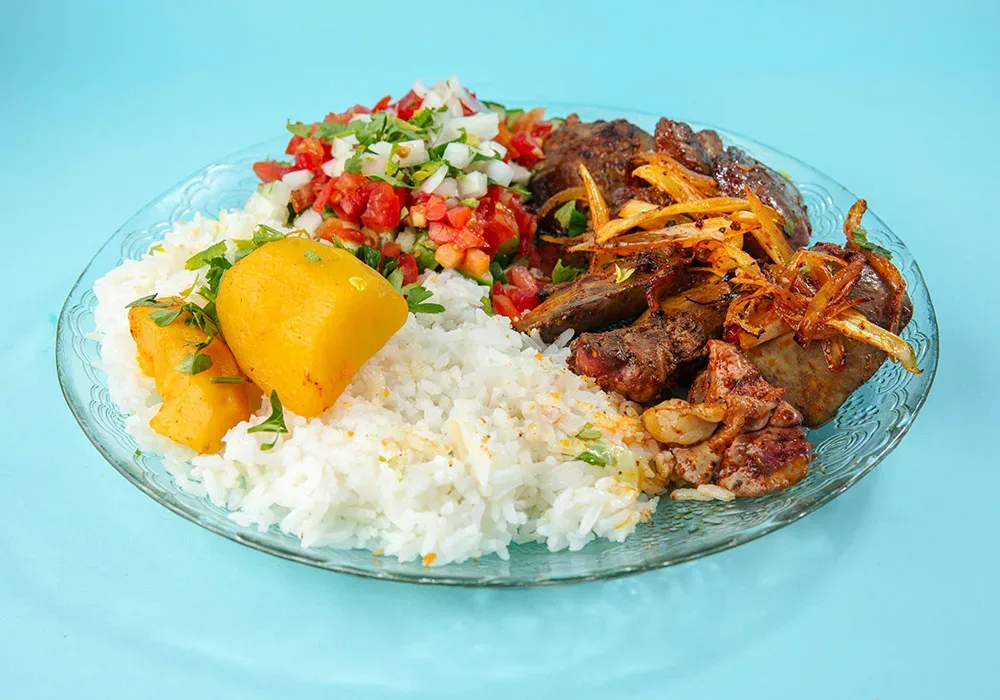
The story of Chicken liver
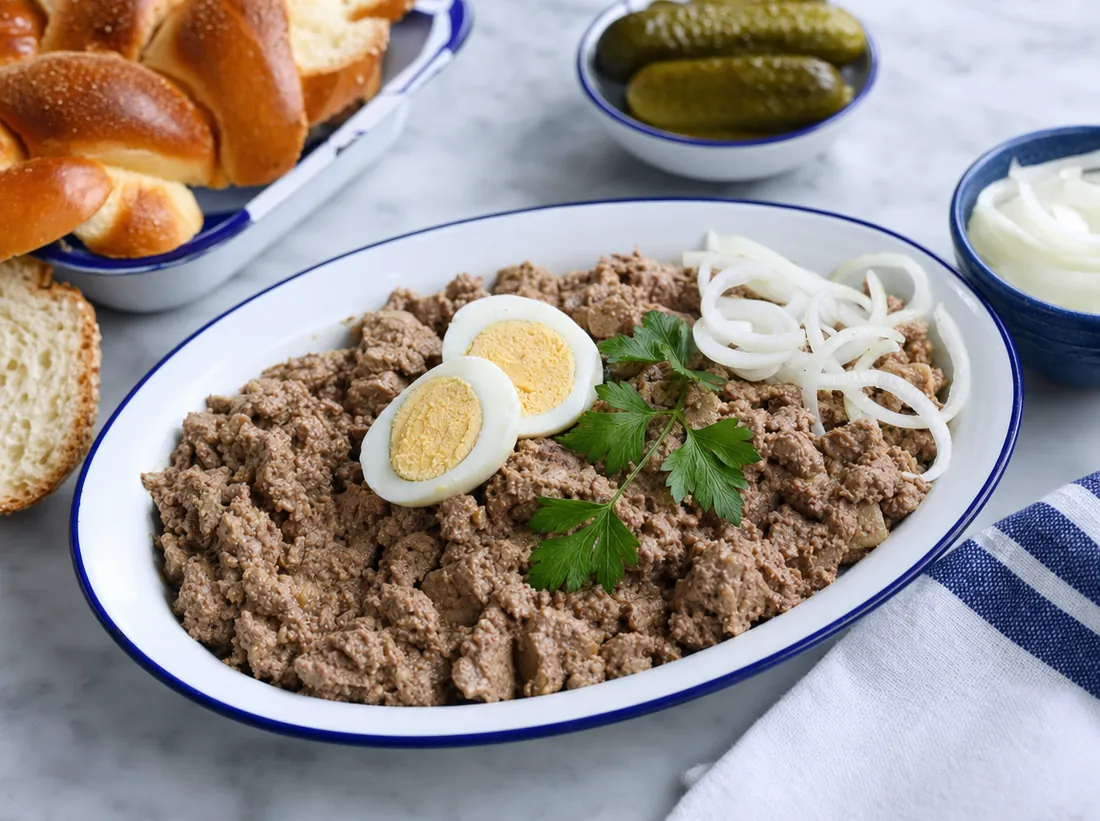
Fried chicken liver with onions reached the Israeli table from two directions. From Eastern European Jewish homes came liver with plenty of onion and the chopped liver of Friday night; from the homes of Jews from Morocco, Iraq and Yemen came livers spiced with cumin, garlic and paprika and tucked into pita with salad. In Israel the two met, and liver with onions became a midweek dinner next to mashed potatoes or rice.
In the Jewish kitchen liver is a special case. Ordinary meat is kashered by salting and rinsing, but liver is full of blood and salting does not draw it out. Jewish law therefore requires liver to be broiled over an open flame, on a grate the blood can drip through. Most livers sold in Israel have already been broiled this way at the plant and are sold frozen as kashered chicken liver. Fresh liver that has not been kashered can be done at home in ten minutes.
What makes Chicken liver itself
Chicken liver is a dish of two speeds. The onions need time, twenty minutes over medium heat, until their sugars brown and they turn soft and sweet. The liver needs the opposite: high heat and a few minutes, because it has almost no connective tissue to soften with long cooking, and every extra minute dries it out. Liver that has been kashered by broiling is already mostly cooked, so in the pan it only needs browning and heating through. Understand that and you get liver that is brown outside and creamy inside.