Baharat
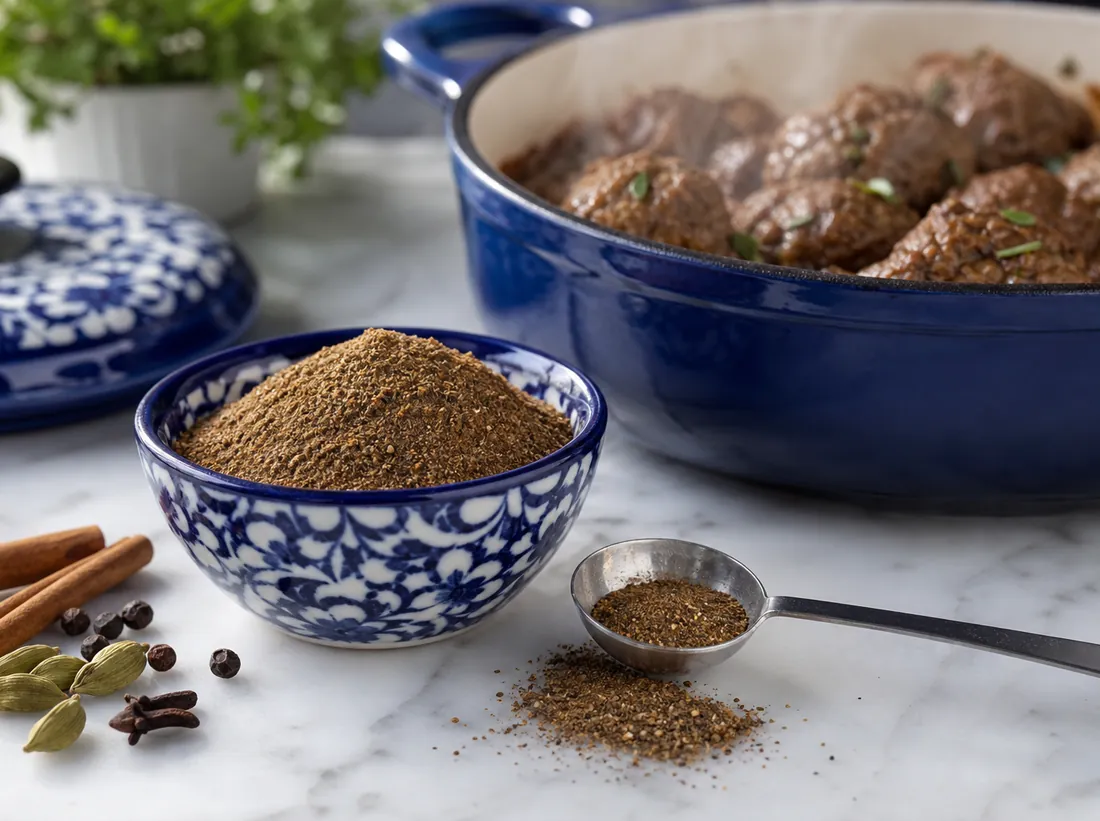
Baharat is a blend of warm, fragrant spices, and its name is simply the Arabic word for spices. In Iraqi, Syrian and Lebanese cooking it seasons kubbeh filling, meatballs, rice with meat and stuffed vegetables, and its heat comes from pepper, not chilli.
 Illustration
What is Baharat
There is no single recipe for baharat. The base is almost always black pepper and allspice, with cinnamon, cloves, nutmeg and cardamom, and sometimes coriander, cumin, paprika or ginger. Every family and every spice shop mixes it a little differently, and market shops often sell several kinds side by side.
It tastes warm, a little sweet from the cinnamon and allspice, and peppery from the black pepper, with no chilli heat. Baharat loves meat: it goes into the ground beef inside kubbeh, meatballs, lamb and chicken, and the filling of stuffed vegetables. In Iraqi and Kurdish Jewish homes a teaspoon of baharat is a fixed part of the filling of beet kubbeh, pumpkin kubbeh, okra kubbeh and red kubbeh.
Price and where to buy
100 g
per kg
Where
Baharat is sold on the spice shelf of most Israeli supermarket chains, in 50 to 100 g packs, and in some branches loose by weight. Iraqi, Lebanese and house blends are at the spice shops of Carmel Market, Levinsky Market and Hatikva Market in Tel Aviv, Mahane Yehuda in Jerusalem and Wadi Nisnas in Haifa, and at Iraqi and Kurdish grocers. A spice shop will also grind a fresh blend on request.
Shelf prices, October 2026, VAT included.
Kinds of Baharat
Iraqi baharat
Rich in cardamom, cinnamon and cloves next to the pepper, sometimes with dried rose petals or dried lime. Fragrant and sweetish, for kubbeh filling, rice and stuffed vegetables.
Seven spices, Lebanese baharat
Black pepper, allspice, cinnamon, cloves and nutmeg, plus two of coriander, ginger and fenugreek. Peppery and warm, for kibbeh nayeh, meatballs and rice with meat.
Supermarket baharat
Usually black pepper, allspice, cinnamon and nutmeg, sometimes with paprika and cumin. Darker and more peppery, so read the ingredient list before using it in place of another blend.
How to use Baharat
Kubbeh filling
One teaspoon of baharat, about 3 g, for 350 g of ground beef with fried onion, parsley, celery leaves and salt. That fills about 32 kubbeh for beet or pumpkin kubbeh soup.
Meatballs
One to one and a half teaspoons of baharat for every 500 g of ground meat, with grated onion, parsley and salt. Fry, bake or simmer them in tomato sauce.
Rice with meat and stuffed vegetables
One teaspoon of baharat for each cup of rice with 250 g of ground meat, to stuff peppers, zucchini and vine leaves, or for rice with meat and pine nuts.
Roast chicken and lamb
One tablespoon of baharat, two of olive oil and a teaspoon of salt for each kilo of chicken or lamb shoulder. Rub it in and leave at least half an hour before roasting.
In soup
Half a teaspoon in a pot of lentil or meat soup, fried with the onion for a minute before the water goes in, so the aroma opens up in the oil.
Soups with Baharat
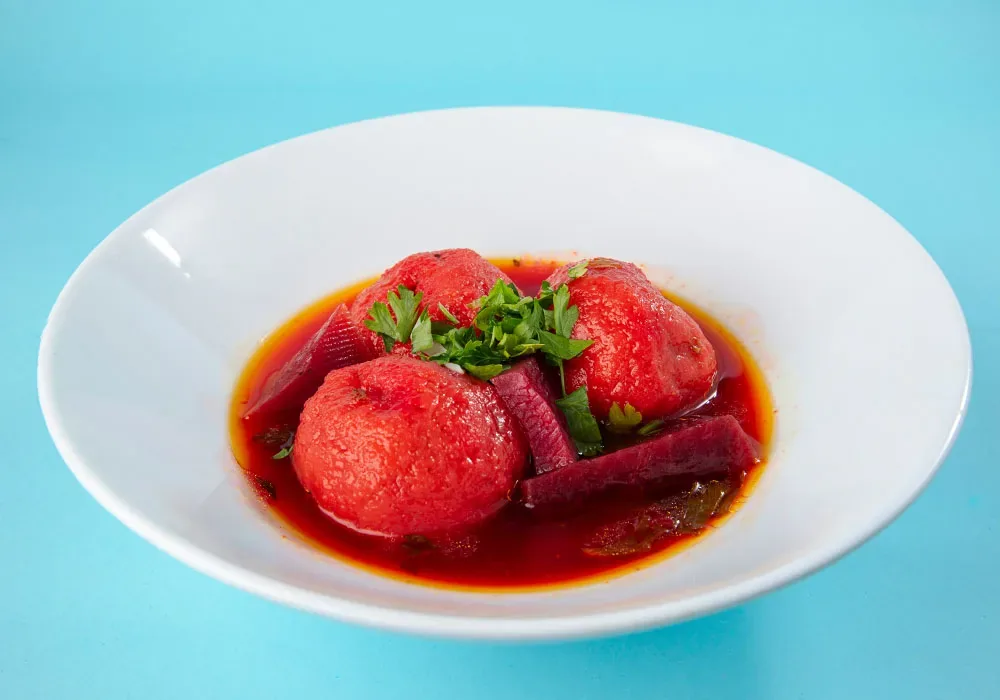
Beet kubbeh
Beet kubbeh is a red, sweet and sour beet soup with semolina dumplings stuffed with beef. It is the Friday…
 Illustration
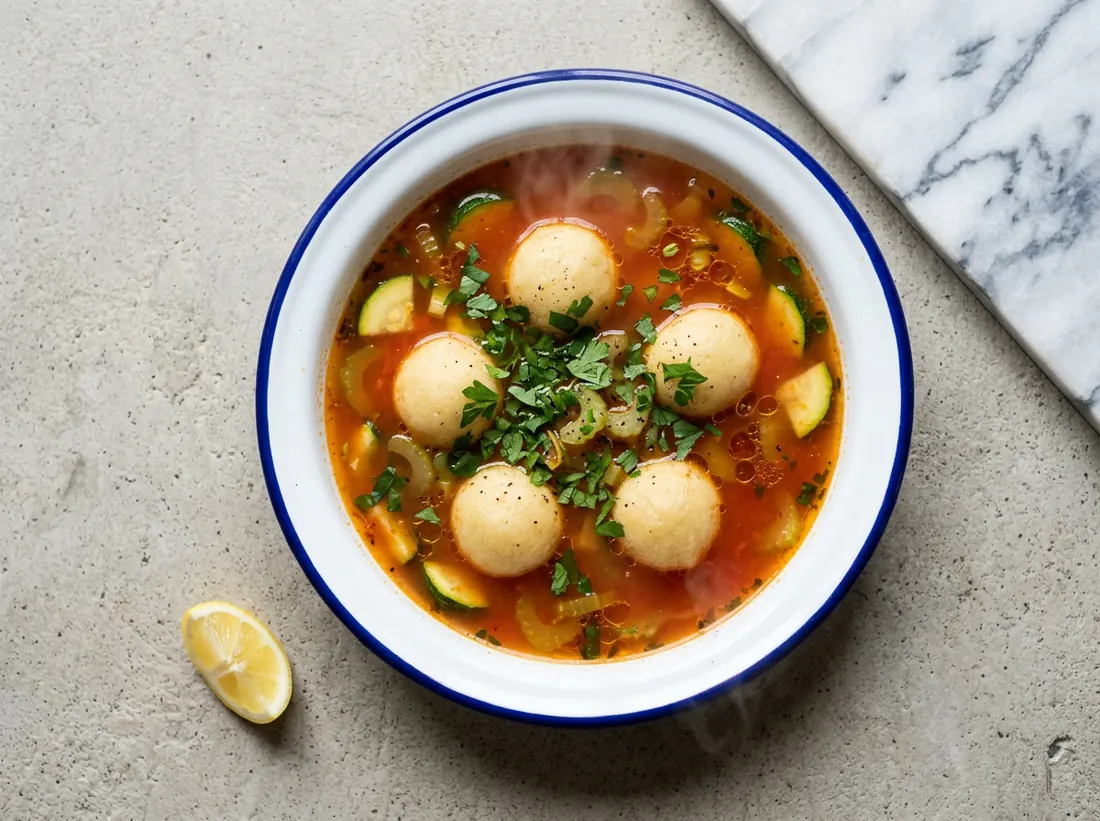
Red kubbeh
Red kubbeh is a kubbeh soup built on tomato paste and paprika, with zucchini, celery and carrot, and beef…
 Illustration
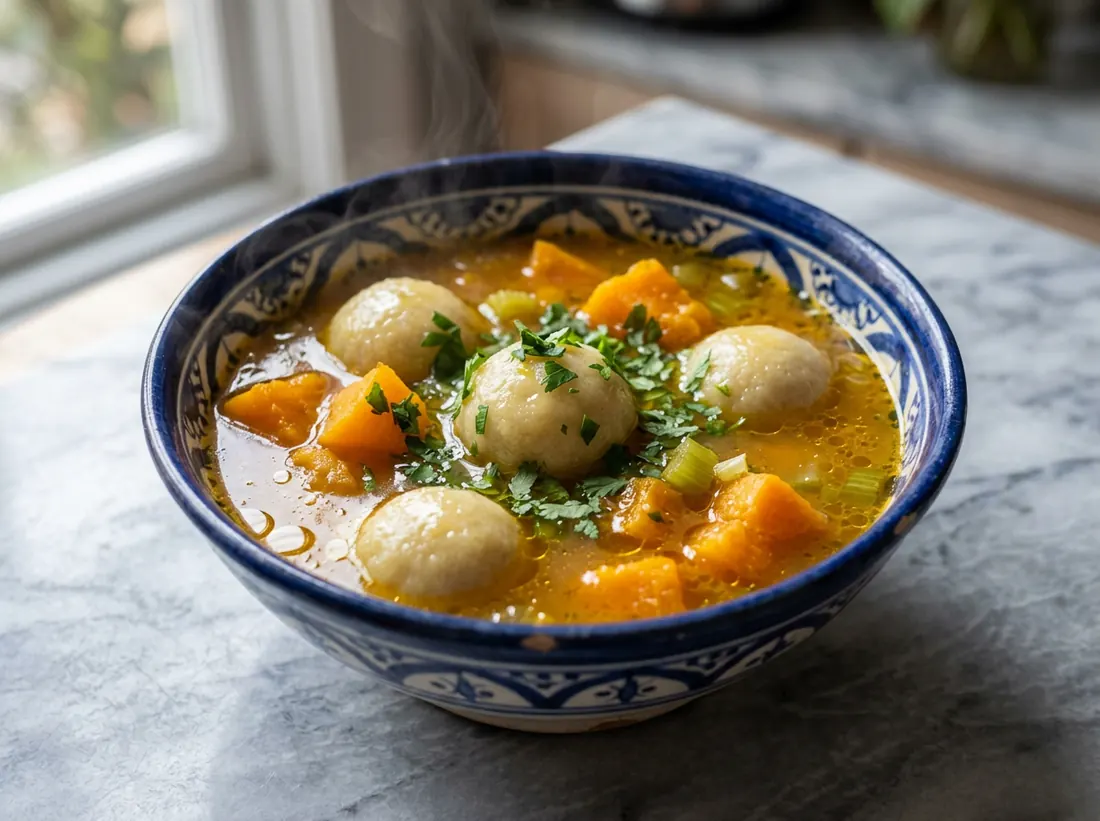
Pumpkin kubbeh
Pumpkin kubbeh is an orange, sweet and sour pumpkin soup with semolina dumplings stuffed with beef. Iraqi…
 Illustration
Okra kubbeh
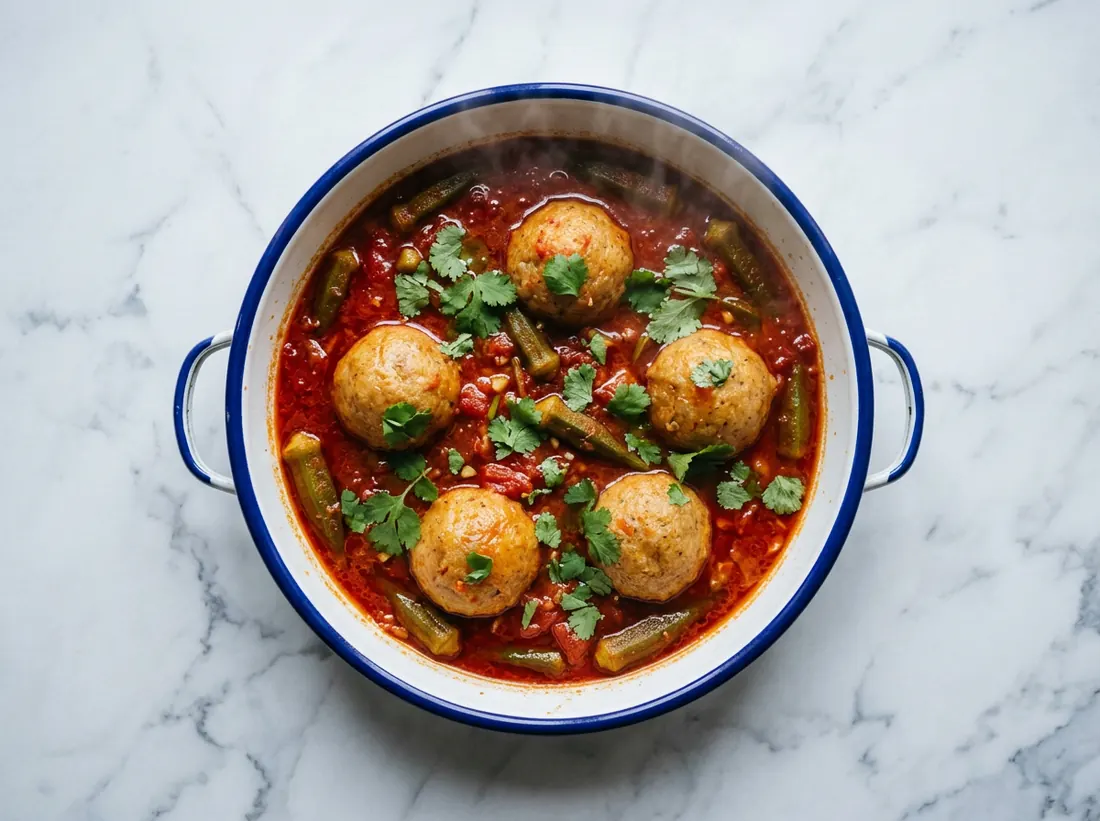
Okra kubbeh, kubbeh bamia, is an Iraqi stew of okra in a sweet and sour tomato sauce, with semolina dumplings…
How to choose Baharat
Read the ingredient list. The order shows what there is most of: pepper first means a peppery baharat, cinnamon and cardamom first mean a sweeter one.
Buy a small amount, 50 to 100 g, because ground spice loses its aroma within months.
Fresh baharat smells strong the moment the bag is opened. A faint or dusty smell means it is old.
Check whether the blend contains salt and adjust the salting, and look for a kashrut mark on the pack.
What to use instead of Baharat
| Substitute | How, and what changes |
|---|---|
| Homemade seven spices | Two teaspoons of black pepper, two of allspice, one of cinnamon, one of ground coriander, and half a teaspoon each of cloves, nutmeg and cardamom. Mix and use the same amount. |
| Allspice and cinnamon | Two parts allspice, one part cinnamon and a pinch of black pepper, same amount. Very close in kubbeh filling and meatballs. |
| Ras el hanout | Same amount. It is yellower, more floral and richer, with turmeric and ginger, and suits rice and meat better than kubbeh. |
| Hawaij for soup | Half the amount, and only in soup. It has more cumin and turmeric and turns the soup yellow. |
How to store Baharat
In the pantry
In the fridge
In the freezer
The science of Baharat
Why ground baharat loses its aroma
The aroma of spices comes from essential oils, such as eugenol in cloves and allspice and cinnamaldehyde in cinnamon. In a whole spice they are sealed inside the cells. Grinding opens them and hugely increases the surface, so they evaporate and oxidise much faster.
Why you fry it in oil
Most aroma compounds in baharat dissolve far better in fat than in water. A short fry in oil releases them and spreads them through the whole dish, and in ground meat the fat of the meat does the same job. Too much heat burns the spice and makes it bitter.
Why allspice smells like several spices
Allspice berries contain eugenol, the same compound that gives cloves their smell, along with compounds that recall cinnamon and nutmeg. That is where the English name comes from, and why allspice is the backbone of most baharat blends.
Ask for Baharat
Looking for Baharat and cannot find it? Send a request and we will come back with a price and availability.
- Tell us how much you need and by when.
- We come back with a price, pack size and availability.
- Pick up at 99 Ibn Gabirol or delivery in Tel Aviv.
Frequently asked questions
What is baharat?
A blend of warm spices whose name is simply the Arabic word for spices. The base is black pepper and allspice, with cinnamon, cloves, nutmeg and cardamom.
What is in baharat?
Usually black pepper, allspice, cinnamon, cloves, nutmeg and cardamom, sometimes with coriander, cumin, paprika or ginger. Every blend is a little different.
What is the difference between baharat and ras el hanout?
Baharat is a warm, peppery blend from Iraqi, Syrian and Lebanese cooking. Ras el hanout is a North African blend with more components, turmeric and ginger, and it is yellower and more floral.
How much baharat goes into kubbeh?
One teaspoon, about 3 g, for 350 g of ground meat in the filling. That is enough for about 32 kubbeh.
Is baharat spicy?
It is peppery from the black pepper, but it has no chilli, so it does not burn.
What can replace baharat?
Two parts allspice, one part cinnamon and a pinch of black pepper, in the same amount. You can also make seven spices at home.
What is seven spices?
The Lebanese baharat: black pepper, allspice, cinnamon, cloves and nutmeg, plus two of coriander, ginger and fenugreek.
The Complete99 pantry
Ingredients and kitchen gear, with prices and availability.
More from the pantry
Amba
Amba is a sour, spicy sauce of pickled green mango, yellow from turmeric with a strong smell of fenugreek. It…
Bulgur
Bulgur is wheat that has been boiled, dried and cracked, so it is ready in minutes. Fine bulgur, which many…
Dashi
Dashi is the basic stock of Japanese cooking, clear and light, with a deep umami taste. It is made from kombu…