Bulgur
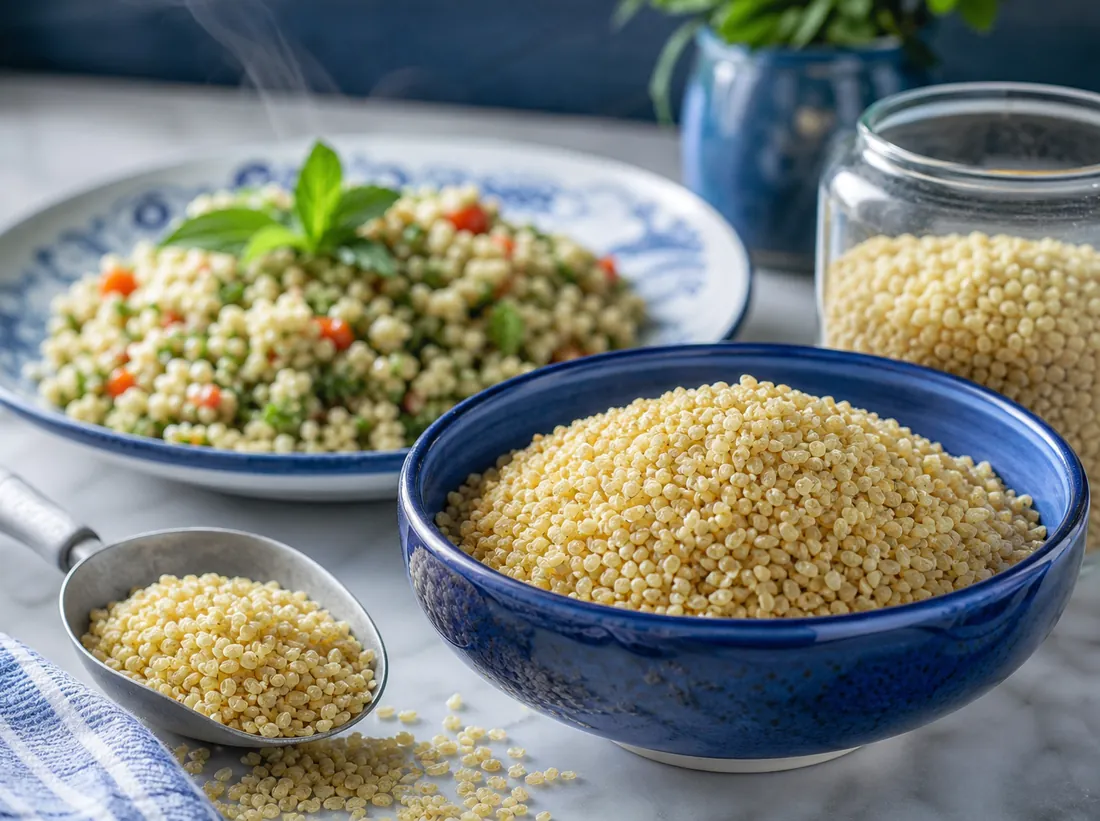
Bulgur is wheat that has been boiled, dried and cracked, so it is ready in minutes. Fine bulgur, which many Israeli homes call jarisha, is the base for kubbeh and tabbouleh, and coarse bulgur cooks like rice.
 Illustration
What is Bulgur
Bulgur is made from wheat, usually hard durum wheat. The whole kernels are boiled until tender, dried, once on rooftops in the late summer sun and today in driers, and then cracked into several grades. Because it was cooked before drying, bulgur is already cooked inside, and at home you only give it back its water.
It tastes nutty, clean and slightly sweet, and stays separate rather than sticky. Bulgur is not the same as cracked wheat: cracked wheat is broken raw and takes far longer to cook. In Turkish, Syrian, Lebanese, Kurdish and Iraqi kitchens it is an everyday grain, and in Israel it goes into kubbeh, tabbouleh, bulgur mujaddara and stuffed vegetables.
Price and where to buy
1 kg
per kg
Where
Fine and coarse bulgur are sold in every Israeli supermarket chain, on the grains and pulses shelf. Extra fine bulgur for kubbeh, medium grades and large sacks are at the spice and pulse shops of Carmel Market, Levinsky Market and Hatikva Market in Tel Aviv, Mahane Yehuda in Jerusalem and Wadi Nisnas in Haifa, and at Iraqi, Kurdish and Arab grocers.
Shelf prices, October 2026, VAT included.
Kinds of Bulgur
Fine bulgur (jarisha)
A small grain, close to coarse semolina. It is soaked rather than cooked, and goes into kubbeh dough, tabbouleh and meatballs.
Medium bulgur
For tabbouleh with more bite, salads and fillings. Soak it in boiling water or simmer it for a few minutes.
Coarse bulgur
A large grain that cooks like rice, for side dishes, pilaf, mujaddara and soups. It keeps its shape and never turns to mush.
How to use Bulgur
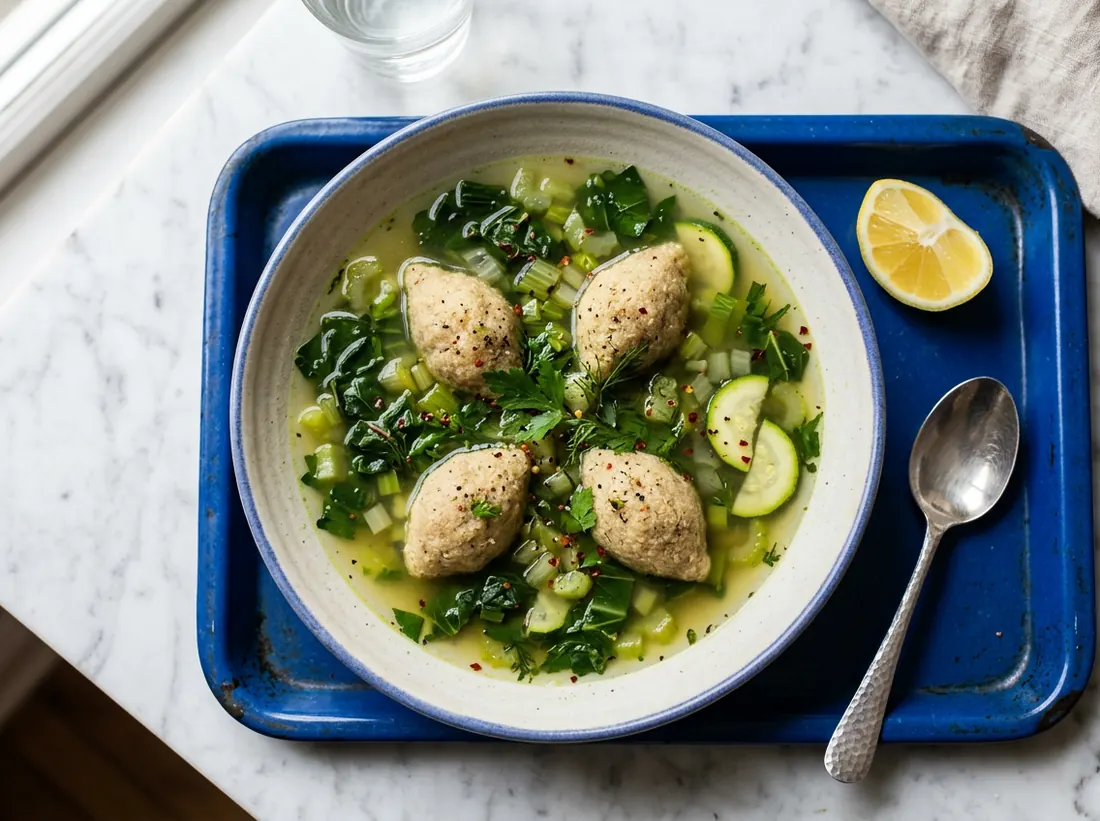
Kubbeh dough for soup
Semolina kubbeh often takes a little fine bulgur, about 60 g for every 450 g of semolina. It gives the dough body and flavour and goes into the bowl with the semolina, before the water.
Tabbouleh
In Lebanese tabbouleh bulgur is a small part: about a quarter cup of fine bulgur to two bunches of parsley. Soak it for 10 minutes in lemon juice and a little water, never cook it, and mix just before serving.
Coarse bulgur as a side
One cup of coarse bulgur to two cups of boiling water or stock and a teaspoon of salt. Simmer covered on low heat for 12 to 15 minutes, turn off the heat and leave covered for 10 more.
In soup
Two or three tablespoons of coarse bulgur in a pot of lentil or vegetable soup, for the last 20 minutes. It thickens a little and adds bite.
Bulgur mujaddara
One cup of coarse bulgur to one cup of brown lentils that have cooked for 15 minutes, with plenty of fried onion. Cook together for about 15 minutes more on low heat.
How to choose Bulgur
Buy the grade the recipe asks for. Fine only for kubbeh and tabbouleh, coarse only for stews and sides.
Look for an even golden colour, little dust at the bottom of the bag and no musty or stale oil smell.
Check that the pack says bulgur and not cracked wheat, since the cooking times are completely different.
Look for a kashrut mark on the pack, and remember that bulgur is wheat, so it is chametz at Passover.
What to use instead of Bulgur
| Substitute | How, and what changes |
|---|---|
| Ground medium bulgur | Pulse medium bulgur for 20 to 30 seconds in a food processor to get fine bulgur for kubbeh, same amount. |
| Couscous | Same amount in place of fine bulgur in a salad. It is softer and less nutty, and does not work in kubbeh dough. |
| Quinoa | Same amount, for gluten free tabbouleh. Simmer about 12 minutes and cool. Crisper texture, milder taste. |
| Cracked freekeh | In place of coarse bulgur in a stew, same amount. Smoky flavour, and a few minutes more cooking. |
How to store Bulgur
In the pantry
In the fridge
In the freezer
The science of Bulgur
Why bulgur is so quick
During the first boil the starch inside the kernel absorbs water and gelatinises. Drying locks that structure in place, so the grain is hard but already cooked. In hot water it only has to take the water back, which takes minutes instead of an hour.
Why it does not stick
Boiling and drying bind the starch on the surface of the grain, so very little of it leaches into the water. That is why bulgur stays separate, just like parboiled rice, and never turns gluey like short grain rice.
What holds kubbeh dough together
The gluten in bulgur has already been cooked and can no longer form an elastic network, so bulgur alone cannot make a dough. In kubbeh it binds through firm squeezing, long kneading and semolina or meat, whose starch and proteins glue the grains together.
Ask for Bulgur
Looking for Bulgur and cannot find it? Send a request and we will come back with a price and availability.
- Tell us how much you need and by when.
- We come back with a price, pack size and availability.
- Pick up at 99 Ibn Gabirol or delivery in Tel Aviv.
Frequently asked questions
What is bulgur?
Wheat that has been boiled, dried and cracked. Because it was cooked first, it only needs a short soak or simmer.
What is the difference between fine and coarse bulgur?
Grain size. Fine bulgur is soaked without cooking for kubbeh and tabbouleh; coarse bulgur is cooked like rice for stews and sides.
What is jarisha?
In many Israeli homes it is the name for fine bulgur for kubbeh. In Arabic, jareesh can also mean raw cracked wheat, so read the pack to see which one you have.
How much water for a cup of bulgur?
Coarse bulgur takes two cups of water per cup, 12 to 15 minutes on low heat and 10 minutes covered. Fine bulgur needs one cup of boiling water per cup and a 10 to 15 minute soak.
Do you cook fine bulgur?
No. Soak it in hot water, or in lemon juice and water for tabbouleh, then squeeze it well.
Does bulgur contain gluten?
Yes. Bulgur is wheat. For gluten free tabbouleh use quinoa.
The Complete99 pantry
Ingredients and kitchen gear, with prices and availability.
More from the pantry
Amba
Amba is a sour, spicy sauce of pickled green mango, yellow from turmeric with a strong smell of fenugreek. It…
Baharat
Baharat is a blend of warm, fragrant spices, and its name is simply the Arabic word for spices. In Iraqi,…
Dashi
Dashi is the basic stock of Japanese cooking, clear and light, with a deep umami taste. It is made from kombu…