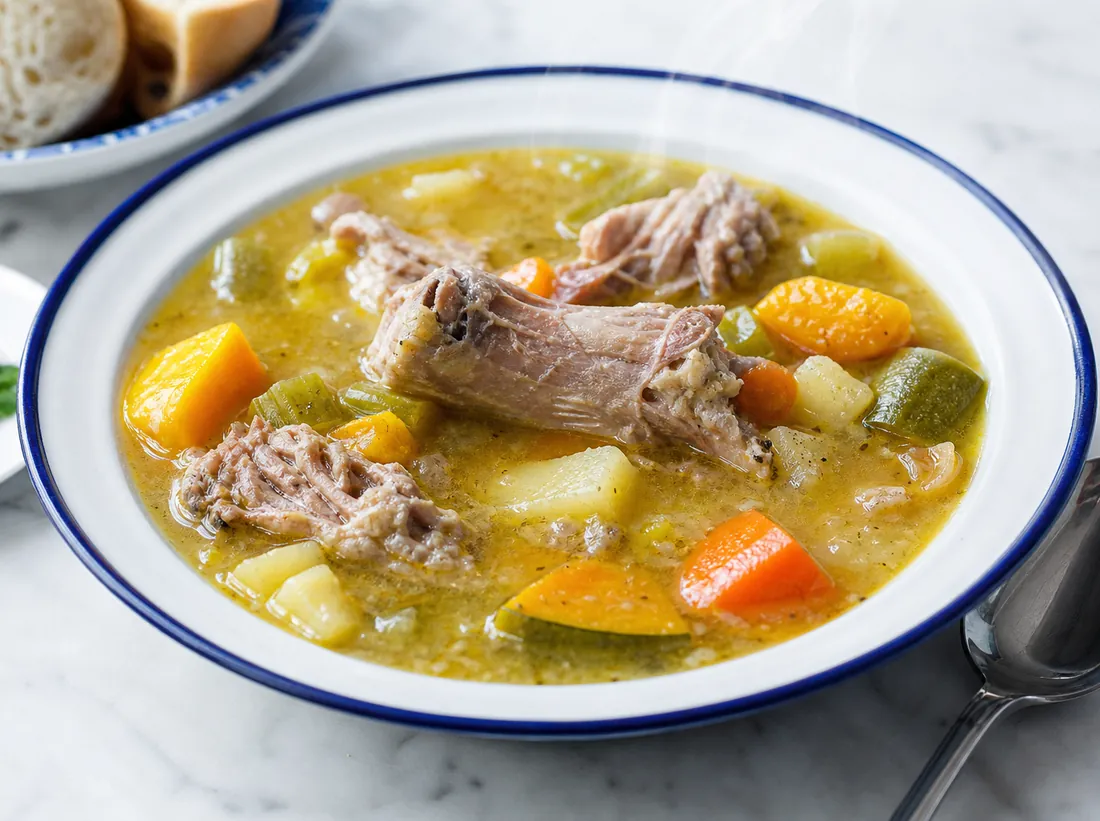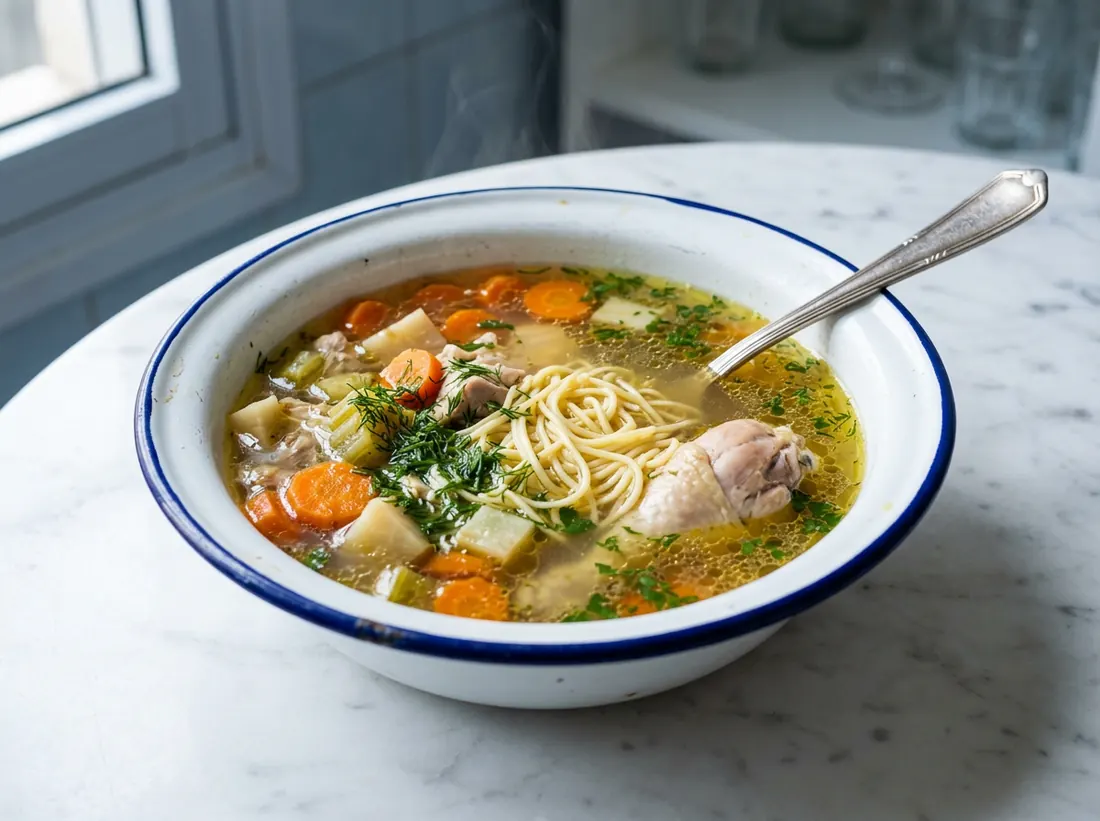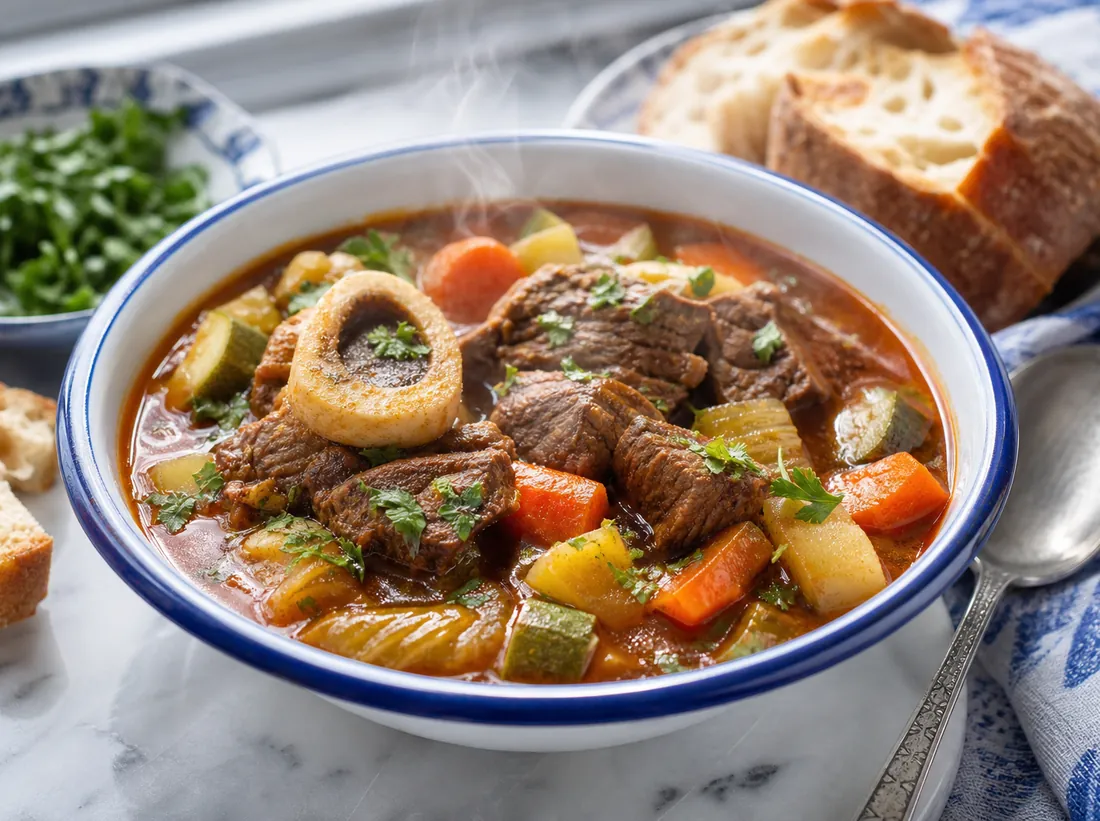
The story of Beef soup
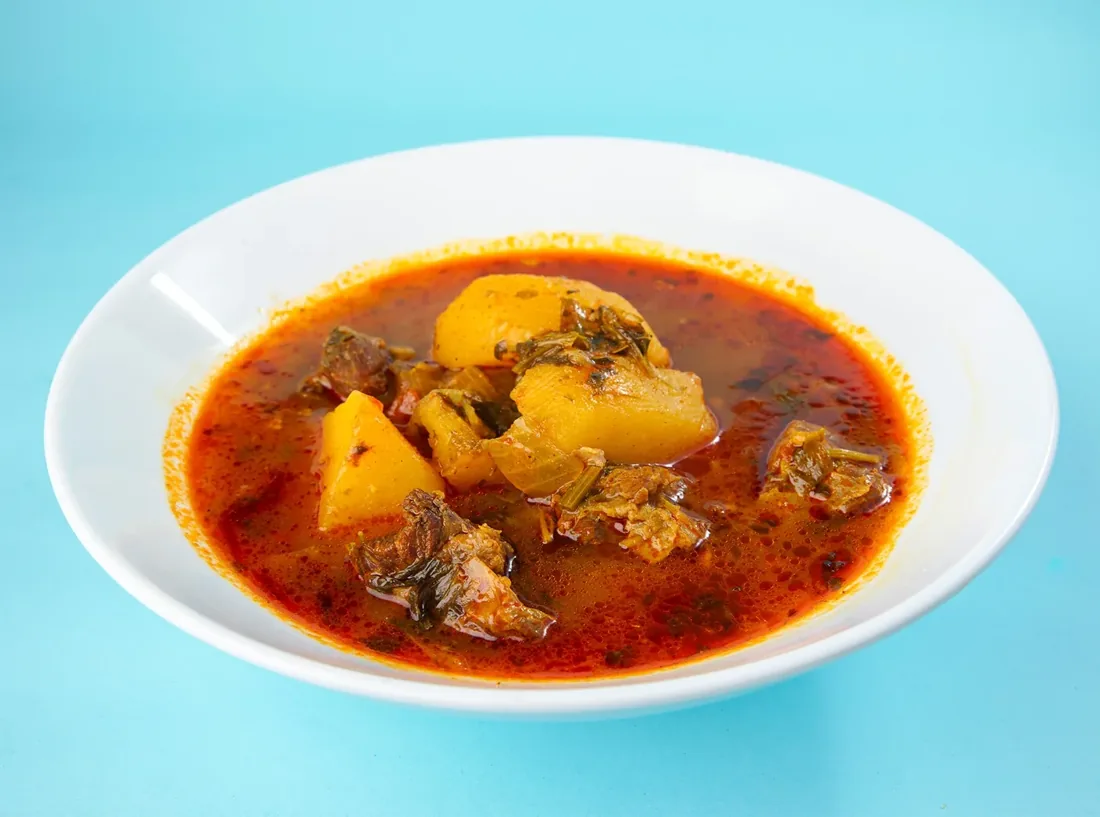
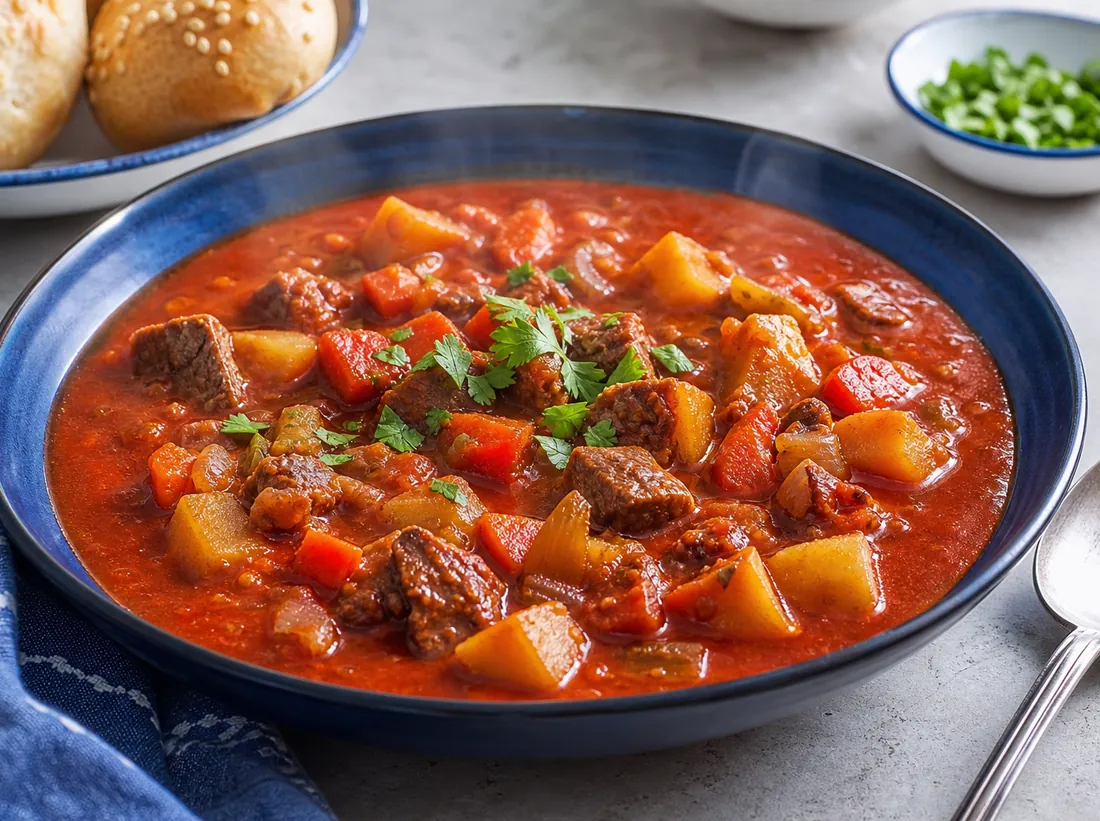
In Israeli and Ashkenazi homes, beef soup is a pot for winter and for Shabbat: chunks of beef and marrow bones bubbling for half a day, with vegetables going in towards the end. Some homes cooked a clear version with no tomato and whole root vegetables, while others preferred the brown one with tomato paste and paprika, which became the best known in home kitchens.
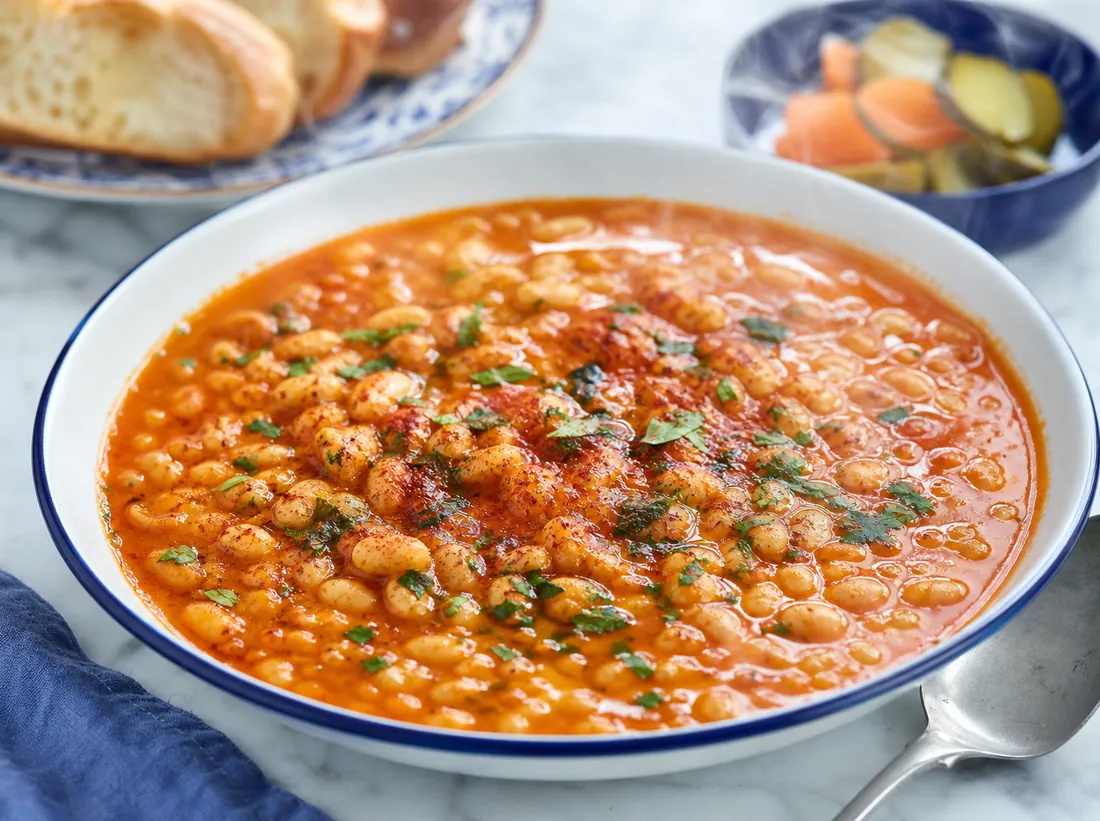
Israeli beef soup does not belong to one community. It takes slowly simmered beef, whatever vegetables are in the fridge and a little paste and paprika, and leaves room for every home. Next to it, each community has a beef soup of its own: Yemenites with hawaij, Hungarians with goulash, Georgians with kharcho, and a beef and bean soup that survives in many families as the soup of the old days.
What makes Beef soup itself
A good beef soup rests on three things: a cut rich in connective tissue, proper browning at the start, and a long, gentle simmer. Beef chuck is full of collagen that turns into gelatine after two hours, so the meat softens instead of drying out. The browning and the fried tomato paste give the broth its brown colour and depth, and the marrow bones add a rich fat that melts into the soup. The vegetables go in only for the last hour so they stay vegetables, not mush.