The story of Lasagna
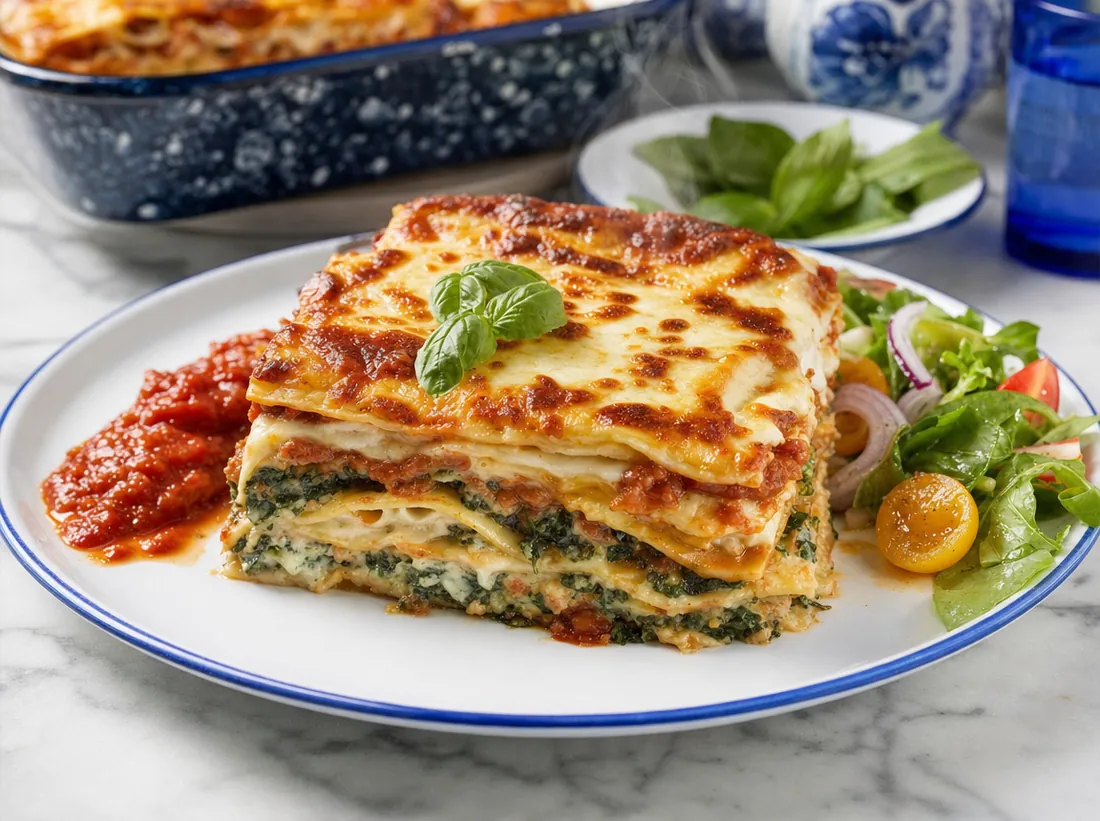
Lasagna is one of Italy's oldest pastas, and its name is usually linked to the Greek laganon, a flat sheet of dough. The famous version comes from Emilia-Romagna: in Bologna green spinach sheets are layered with meat ragù and béchamel, and in Naples a rich lasagna is baked for Carnival with ricotta, little meatballs and eggs. From there it travelled the world, and in the United States southern Italian immigrants turned it into a deep tray of ricotta, mozzarella and tomato sauce.
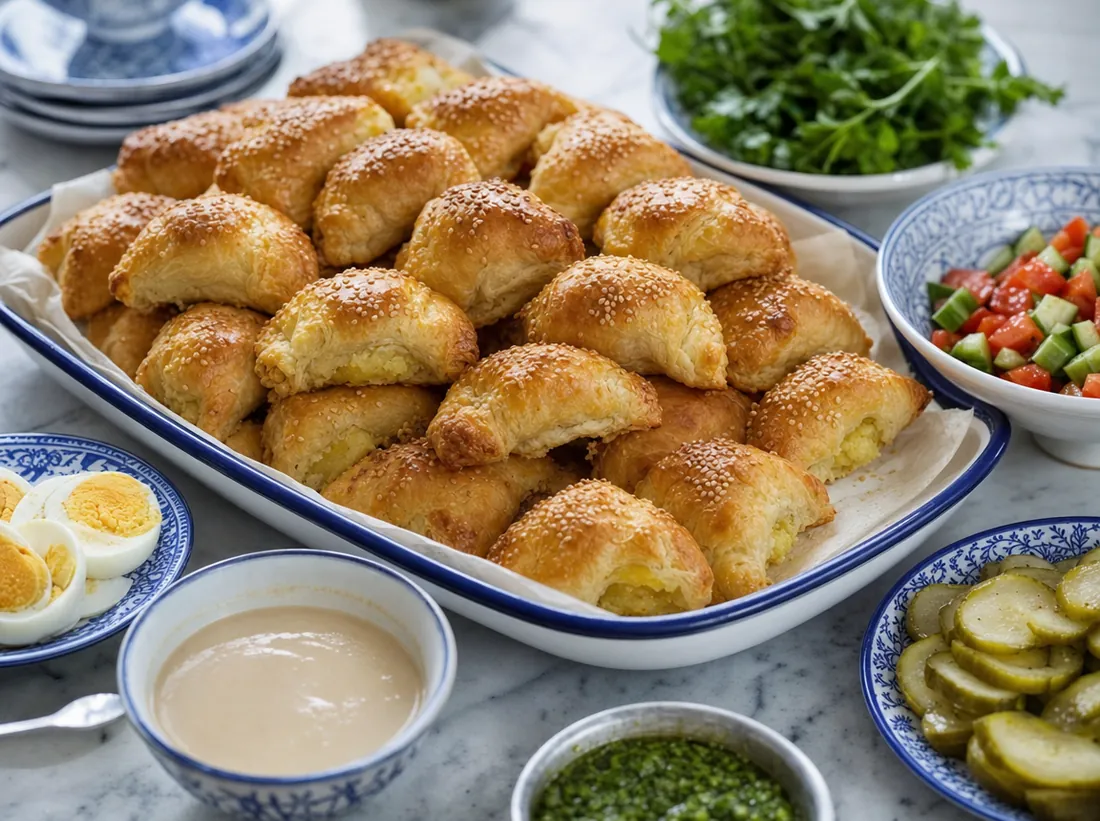
In Israel lasagna came into the home mainly as a dairy dish, because a kosher kitchen never puts meat and cheese in the same dish. It became a fixture of Shavuot, the dairy festival, beside pashtidas and bourekas, and of dairy Friday dinners and birthdays. In recent years lasagna of vegetables, eggplant or sweet potato has become one of the favourite vegetarian trays for events.
What makes Lasagna itself
Good lasagna is about exact moisture. No boil sheets drink liquid from the sauces, so the tomato sauce and béchamel need to be looser than looks right; on the other hand, unsqueezed spinach or vegetables that still hold their water turn the dish into a pond. This recipe balances the two: a slightly thin tomato sauce, béchamel the thickness of cream, and spinach squeezed until dry. The hardest part is waiting half an hour after the oven, so the lasagna sets and cuts into clean squares.