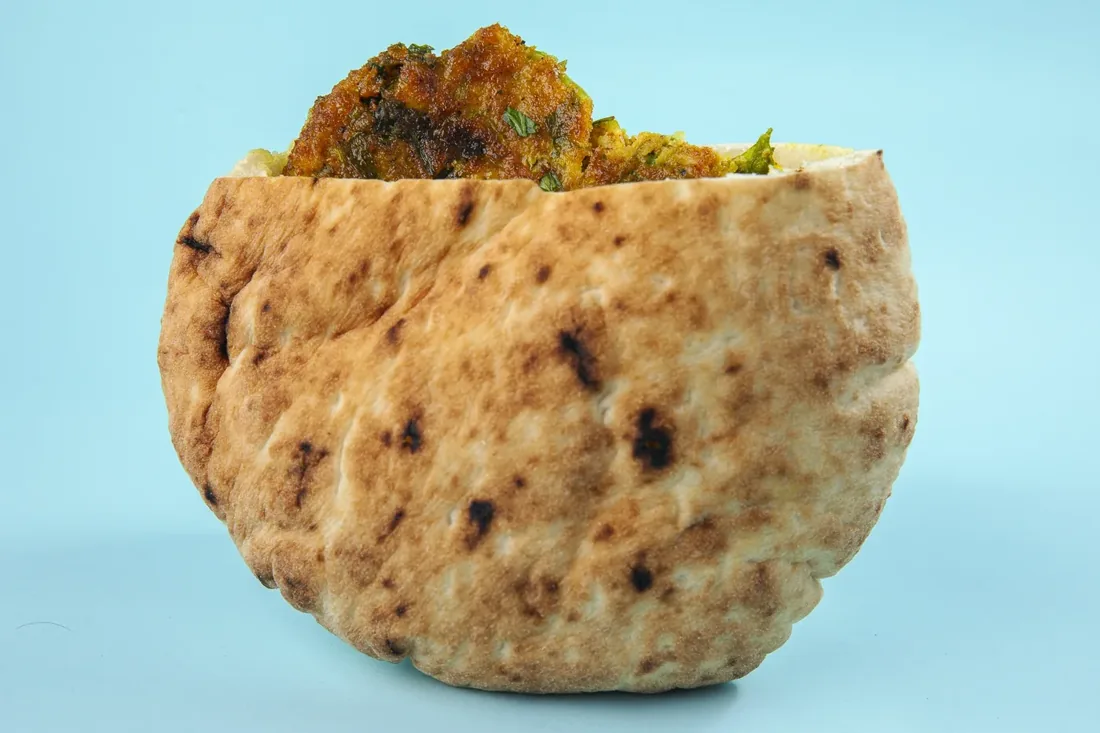
The story of Ijeh, Iraqi herb omelette
Across the Middle East the Arabic word ijeh names a dish of eggs and greens, but every country fills it with something else. In the homes of Baghdadi Jews ijeh is mostly green: a whole bunch of parsley, onion, turmeric and sometimes boiled potato, fried in oil into small patties. It is the meal for when there is no time: there are always eggs, there is always parsley, and in twenty minutes the plate is full.
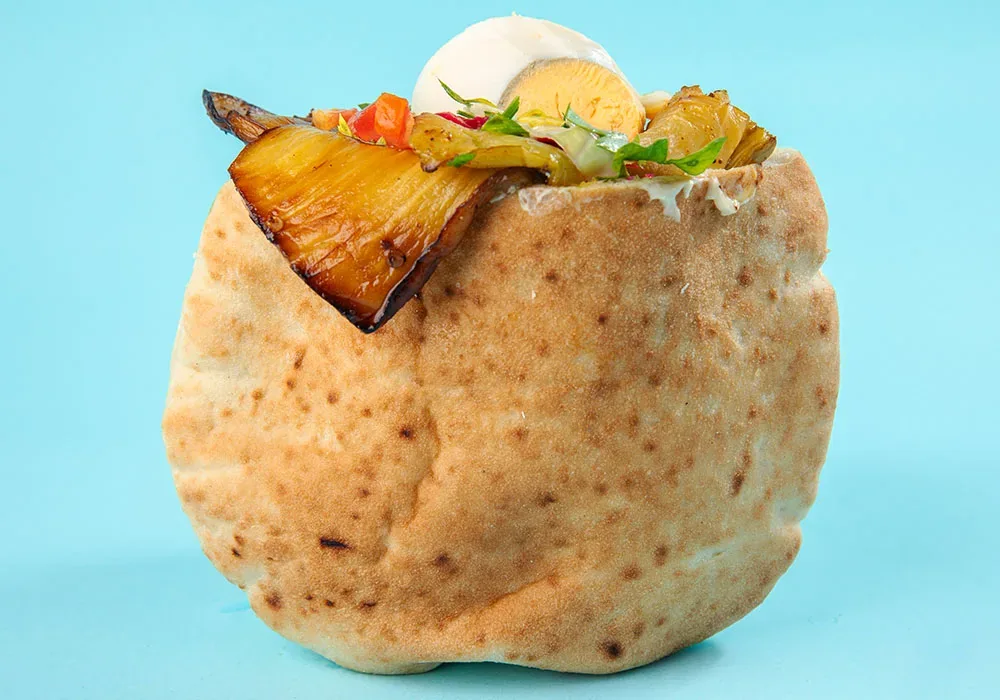
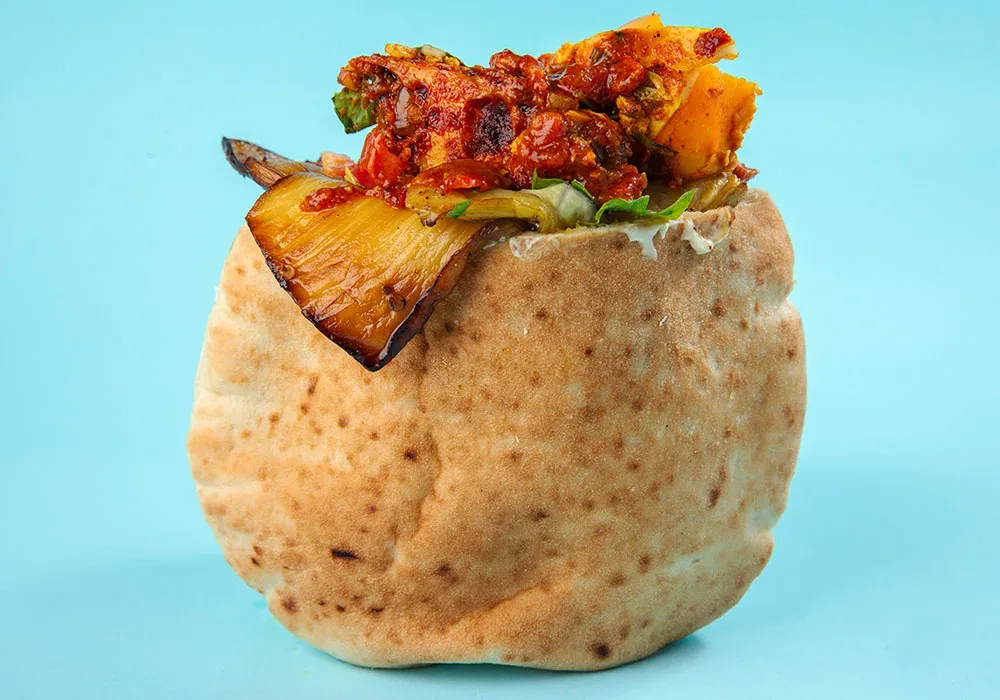
Syrian Jews, especially those from Aleppo, make a similar ijeh with parsley, mint and spring onion, and in the festive version with minced meat too, and their communities also serve it at Hanukkah because it is fried in oil. In Israel the Iraqi ijeh arrived with the immigrants in Ramat Gan, Or Yehuda and the neighbourhoods of Jerusalem, and in pita with amba it became a close relative of sabich, born of the same kitchen.
What makes Ijeh, Iraqi herb omelette itself
Ijeh is the opposite of an ordinary omelette: in an omelette the egg is the point and the greens are an extra, while in ijeh the greens are the point and the egg only holds them together. That is why the mixture looks more green than yellow, and why it is fried in fairly deep oil rather than in a pan with a teaspoon of oil: the patties puff, get crisp edges and stay soft inside. The grated potato is the home cook's secret. It binds the water released by the herbs, so there is no need for flour, and the ijeh comes out gluten free.