How long to boil: eggs, corn, vegetables, legumes and meat
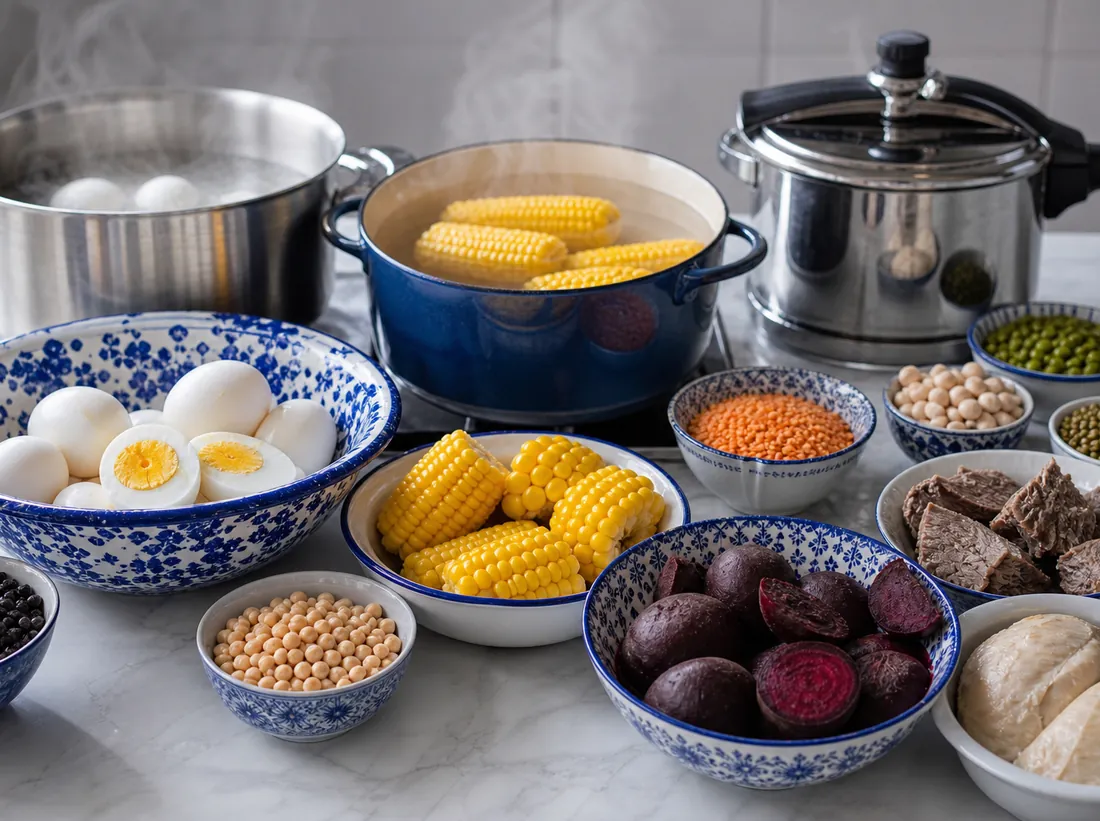
How long to boil a hard egg? 10 to 12 minutes from boiling water. Sweet corn takes 5 to 8 minutes and a medium beet 45 to 60. Here are all the times in charts: eggs, vegetables, legumes, chicken and beef, in a pot and in a pressure cooker, with the sign that tells you it is done.
 Illustration
How long to boil: reading the charts
Count from the boil
Times here run from the moment the water returns to the boil after the food goes in, unless the chart says to start in cold water.
Cold or boiling water
Whole root vegetables such as potatoes and beets start in cold water, so the outside does not fall apart before the centre softens. Green vegetables, corn, pasta and eggs go into boiling water, which keeps the timing exact.
Size first
A 300 g potato needs almost twice as long as a 100 g one. Cut pieces the same size and they are ready together.
Altitude
At sea level water boils at 100°C. In Jerusalem, at about 800 metres, it boils at about 97°C, so eggs, legumes and meat need a little longer there.
How long to boil an egg: soft, medium and hard
Large egg straight from the fridge, into boiling water, then an ice bath
| Style | Time | Yolk | White | Good for |
|---|---|---|---|---|
| Very soft | 5 minutes | Fully runny | Soft near the yolk | Dipping bread |
| Soft | 6 minutes | Runny | Set | Breakfast, egg cup |
| Medium | 7 minutes | Jammy, runny centre | Set | Ramen, green salad |
| Almost hard | 8-9 minutes | Soft and moist | Set | Bowls and sandwiches |
| Hard | 10-12 minutes | Fully set, yellow | Set | Egg salad, sabich, picnics |
| Haminados | 6-8 hours at 100°C, or overnight in hamin | Creamy and pale | Light brown | Shabbat, sabich, hamin |
Medium-size egg: take off a minute. Starting in cold water? Turn off the heat as it boils, cover and wait 10-12 minutes for a hard egg.
How to make haminados eggs
- Onion skins
Line the pot with the brown skins of 6-8 onions.
- Eggs
Arrange 10-12 washed eggs on top in one or two layers.
- Water and oil
Cover with water by 1-2 cm and add 2 tablespoons of oil, which forms a layer that slows evaporation. Some add a spoon of black coffee.
- Boil
Bring to the boil on the stove.
- Low and slow
Cover and move to a 100°C oven for 6-8 hours, or leave overnight on the Shabbat hot plate. The eggs can also go into the hamin.
- Check the water
If the water drops below the eggs, top up with boiling water.
- Serve
The white turns light brown and the yolk creamy. Serve hot with hamin or cold in sabich.
How long to boil vegetables
In salted water, from the boil, unless the chart says cold water
| Vegetable | Size or cut | Time | Done when |
|---|---|---|---|
| Fresh sweet corn | Whole cob, husked | 5-8 minutes | Kernels are glossy and pop when pressed |
| Older or starchy corn | Whole cob | 15-20 minutes | Kernels are tender to bite |
| Potatoes | Whole, 150-200 g, from cold water | 20-25 minutes | A knife slides in and out |
| Potatoes | 3 cm cubes | 12-15 minutes | A cube breaks under a fork |
| Baby potatoes | Whole, 40-60 g | 15-18 minutes | A knife goes in easily |
| Sweet potato | 3 cm cubes | 10-15 minutes | Soft but holding shape |
| Small beet | 5 cm, from cold water | 30-40 minutes | A skewer reaches the centre |
| Medium beet | 7-8 cm, from cold water | 45-60 minutes | The skin rubs off |
| Large beet | 10 cm or more, from cold water | 60-90 minutes | A skewer reaches the centre |
| Carrots | 1 cm slices | 6-8 minutes | Tender with a slight bite |
| Broccoli | Florets | 3-4 minutes | Bright green, stem cuts easily |
| Cauliflower | Florets | 5-7 minutes | A knife goes into the stem |
| Green beans | Whole | 4-6 minutes | They bend without snapping |
| Frozen peas | Peas | 2-3 minutes | Sweet and tender |
| Artichoke | Whole | 30-40 minutes | An outer leaf pulls out easily |
To keep greens green: plenty of water, an open pot, then straight into iced water. Boil beets in their skins with 2-3 cm of stem so the colour stays in. A medium beet takes 15-25 minutes in a pressure cooker.
How to boil corn on the cob
- Husk
Remove the husks and silk. Cut long cobs in half to fit the pot.
- Boil
A big pot of water that covers the cobs, at a full boil.
- Add
Drop in the cobs and count from when the water boils again.
- Time
5-8 minutes for fresh sweet corn, 15-20 for older or starchy corn.
- Serve
Lift out with tongs and serve at once with salt and olive oil, or butter with a dairy meal.
- Microwave
A cob in its husk, 3-4 minutes on full power per cob, then 2 minutes standing before husking.
How long to cook chickpeas, beans and lentils
Gentle simmer on the stove, or high pressure in a pressure cooker
| Legume | Soaking | On the stove | Pressure cooker |
|---|---|---|---|
| Chickpeas | 12-24 hours | 60-90 minutes, 90-120 for hummus | 12-15 minutes |
| White beans | 8-12 hours | 60-90 minutes | 6-10 minutes |
| Red kidney beans | 8-12 hours | 60-90 minutes, after 10 minutes of hard boiling | 8-10 minutes |
| Egyptian ful | 12-24 hours | 2-3 hours | 35-45 minutes |
| Split peas | Not needed | 40-60 minutes | 8-10 minutes |
| Red lentils | Not needed | 10-15 minutes | 4-5 minutes |
| Green or brown lentils | Not needed | 20-30 minutes | 8-10 minutes |
| Black lentils | Not needed | 20-25 minutes | 8-10 minutes |
Pressure cooker times are for soaked legumes, followed by 10-15 minutes of natural release.
How long to cook chicken and beef
Covered pot at a gentle simmer, or high pressure
| Cut | In a pot | Pressure cooker | Done when |
|---|---|---|---|
| Whole chicken for soup, 1.5-2 kg | 60-90 minutes | 25-30 minutes | Meat leaves the bone, 74°C in the thigh |
| Whole chicken breast | 15-20 minutes | 8-10 minutes | 74°C in the centre, clear juices |
| Drumsticks and thighs on the bone | 30-40 minutes | 10-12 minutes | Meat leaves the bone |
| Backs, wings and bones for stock | 2-3 hours | 45-60 minutes | Golden, rich stock |
| Stewing beef, 4 cm cubes | 1.5-2 hours | 35-40 minutes | Falls apart under a fork |
| Beef shank for soup | 2-3 hours | 45-60 minutes | Very tender, fibres separate |
| Whole brisket, 1.5 kg | 3-3.5 hours | 60-75 minutes | A fork slides in and out |
| Beef tongue, 1-1.5 kg | 3-3.5 hours | 60-80 minutes | Skin peels off easily while hot |
| Short ribs (asado) | 3-4 hours | 45-55 minutes | Meat leaves the bone |
| Meatballs in sauce | 30-40 minutes | Not needed | 71°C in the centre |
Cuts with plenty of connective tissue, such as shank and tongue, soften only after hours at 85-95°C, when collagen turns to gelatin. A rolling boil tightens the fibres and dries them, so keep it to a gentle simmer.
Why the times differ: what happens in the pot
Eggs
The white begins to set at about 62°C; the yolk thickens at about 65°C and sets at about 70°C. That is why one minute separates a runny yolk from a jammy one. A green ring around the yolk is iron sulphide, formed by overcooking or slow cooling. Five to ten minutes in iced water prevents it.
Peeling
Eggs a week old or more peel more easily than very fresh ones: as eggs age the white becomes more alkaline and clings less to the membrane. Starting in boiling water and ending in iced water also helps.
Vegetables
Vegetables soften as pectin, the glue between cells, breaks down in heat. Acid slows this and alkali speeds it up: a squeeze of lemon keeps potatoes firmer, and a pinch of baking soda softens legumes faster.
Starch
In potatoes and corn the starch absorbs water and softens above about 60°C. Potatoes started in cold water heat slowly and evenly from skin to centre.
Temperatures worth remembering
boiling
At sea level. A gentle simmer is 85-95°C, which is what most stews need.
chicken
In the thickest part, not touching the bone.
minced meat
Meatballs, kebabs and stuffed vegetables.
whole cuts of beef
Plus 3 minutes of rest. For a tender stew you go far beyond this.
Frequently asked questions
How long to boil a hard egg?
10 to 12 minutes from when the egg goes into boiling water, then 5-10 minutes in iced water. Starting in cold water, turn off the heat as it boils, cover and wait 10-12 minutes.
How long to boil a soft egg?
6 minutes in boiling water for a runny yolk and set white, 7 minutes for a jammy yolk. A smaller egg needs a minute less.
How long to boil corn?
5 to 8 minutes for fresh sweet corn, counted from when the water boils again. Older or starchy corn needs 15-20 minutes. In the microwave, a cob in its husk takes 3-4 minutes.
How long to boil beets?
A medium beet takes 45-60 minutes from cold water, a small one 30-40 and a large one up to 90. In a pressure cooker 15-25 minutes. Boil them in their skins and peel while still warm.
How long to boil potatoes?
Whole medium potatoes 20-25 minutes from cold water, 3 cm cubes 12-15 minutes and baby potatoes 15-18 minutes.
How long do potatoes and sweet potatoes take in the oven?
Potato wedges take 40-45 minutes at 200°C and whole potatoes 50-60. A whole sweet potato takes 45-60 minutes at 200°C, cubes 25-30.
How do you boil broccoli and keep it green?
Florets into plenty of salted boiling water, 3-4 minutes with the lid off, then straight into iced water. A lid and a long time turn it olive green.
How long to cook chicken for soup?
A whole 1.5-2 kg chicken needs 60-90 minutes at a gentle simmer. For a rich stock from bones and backs, keep going for 2-3 hours. It is done when the meat leaves the bone and the thigh reads 74°C.
How long to cook beef tongue?
A 1-1.5 kg tongue takes 3 to 3.5 hours at a gentle simmer, or 60-80 minutes in a pressure cooker. Peel it while still hot, or the skin sticks.
How do you make haminados eggs?
Eggs with onion skins, water and 2 tablespoons of oil, a short boil, then 6-8 hours in a 100°C oven or overnight on the hot plate. The white turns brown and the yolk creamy.
Order instead of cooking
Ready food for Shabbat, an event or the office, from our kitchen in Tel Aviv.
Where to go next
 Illustration
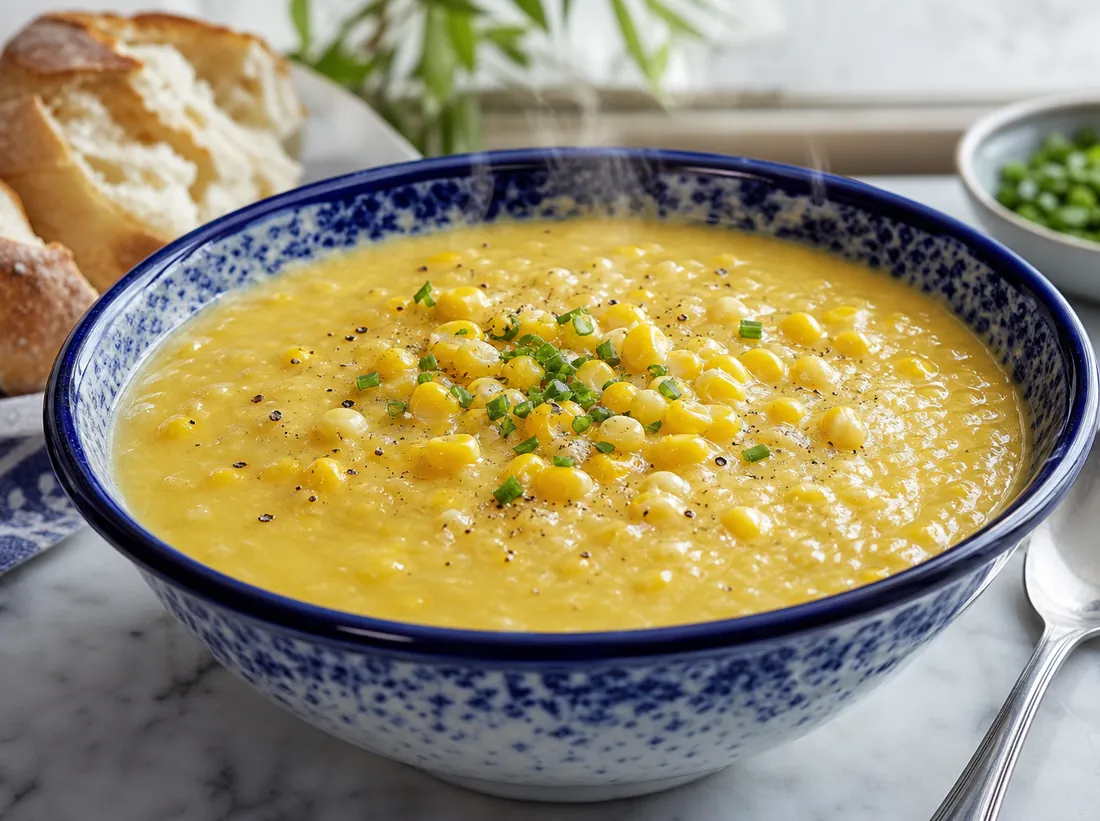
Corn soup
Corn soup is creamy, sweet and golden, and in its parve form it can open a meat meal: corn, an onion and one…
 Illustration
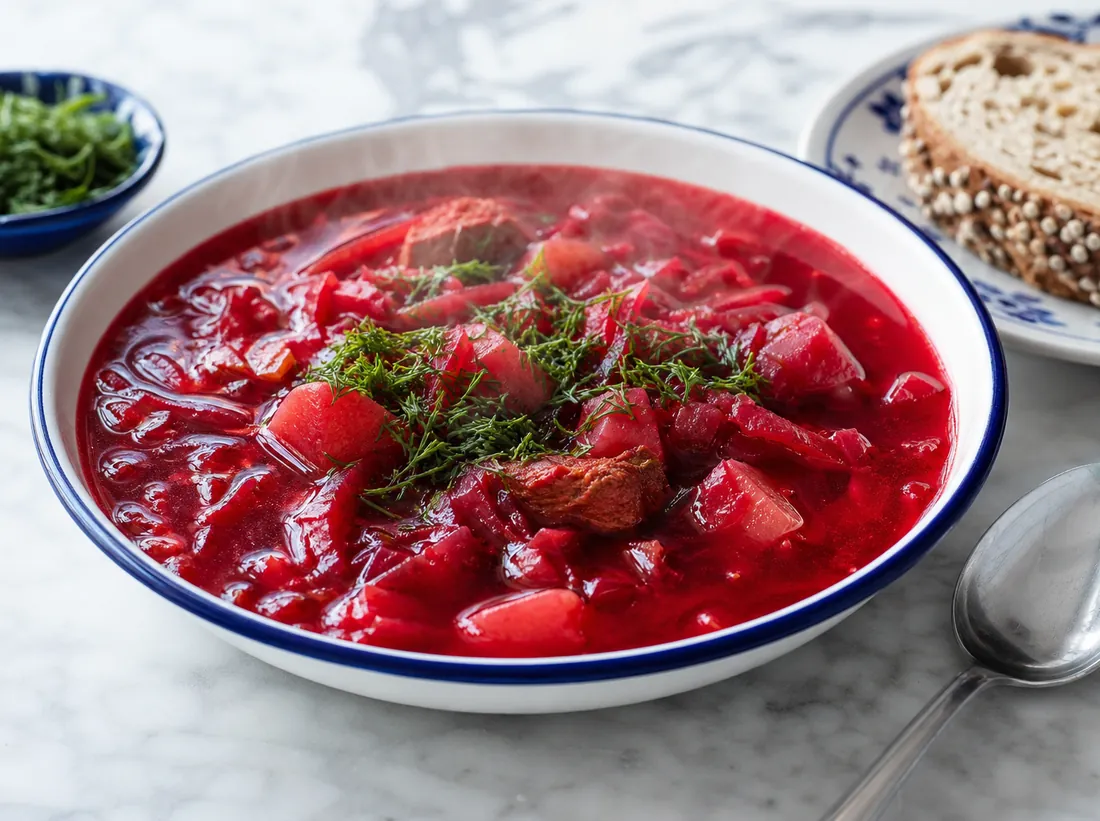
Borscht
Borscht is a sour beet soup from Eastern Europe, and here it is in its hot Ukrainian form: beef broth, beets,…
 Illustration
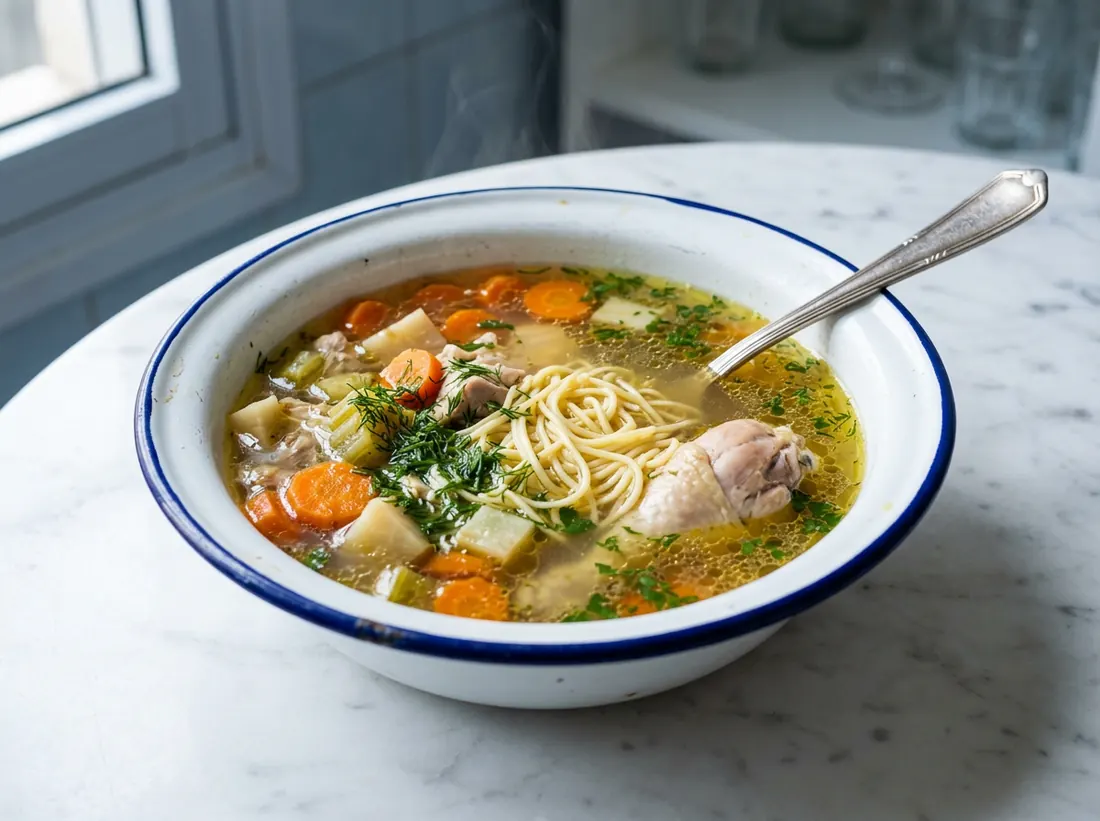
Chicken soup
Clear chicken soup is the Friday night soup of the Israeli home: chicken, root vegetables and dill simmered…
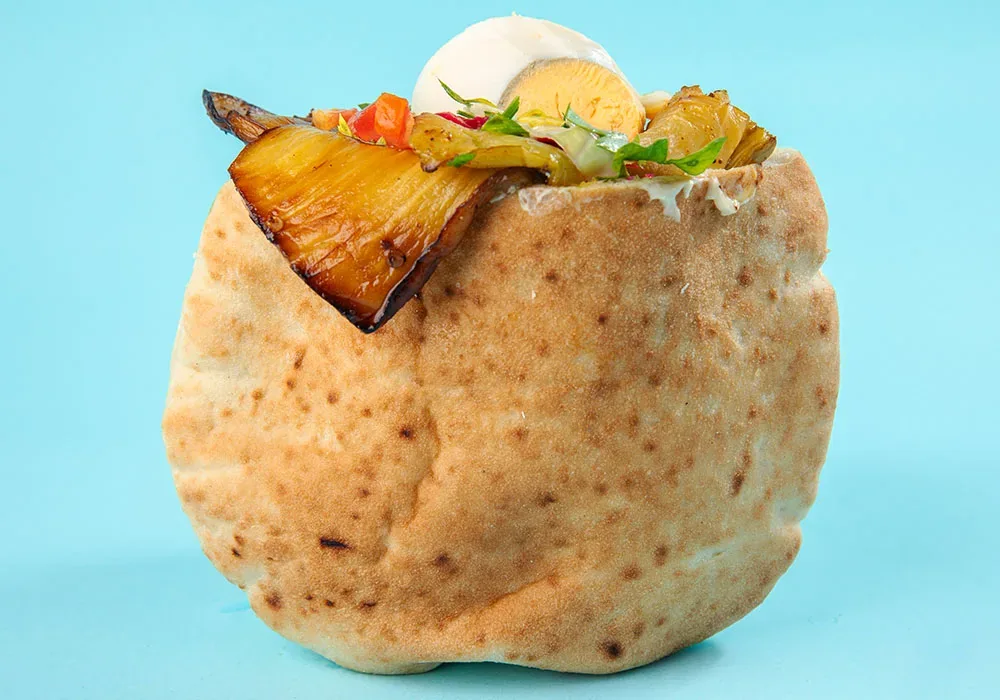
Sabich
Sabich is a pita filled with fried aubergine, hard boiled egg, potato, chopped salad, tahini and amba, with a…
 Illustration
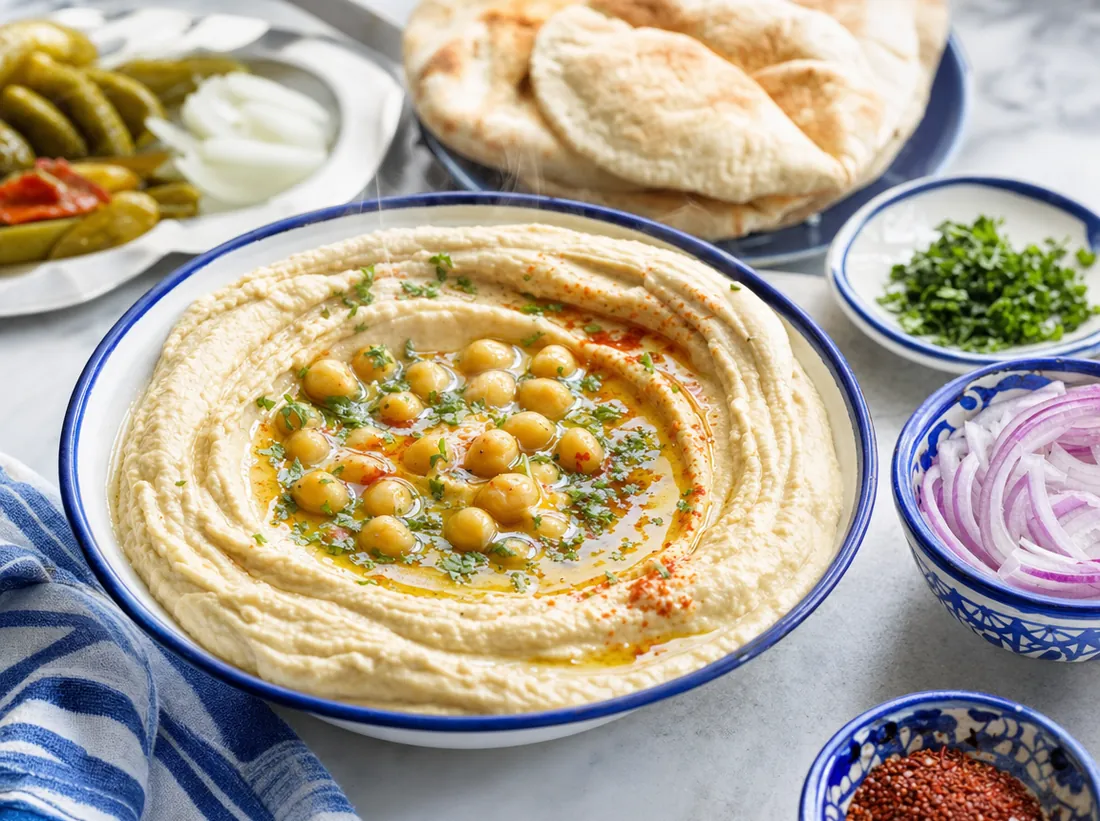
Hummus
Hummus is a warm purée of chickpeas cooked until they collapse, blended with raw tahini, lemon and garlic…
 Illustration
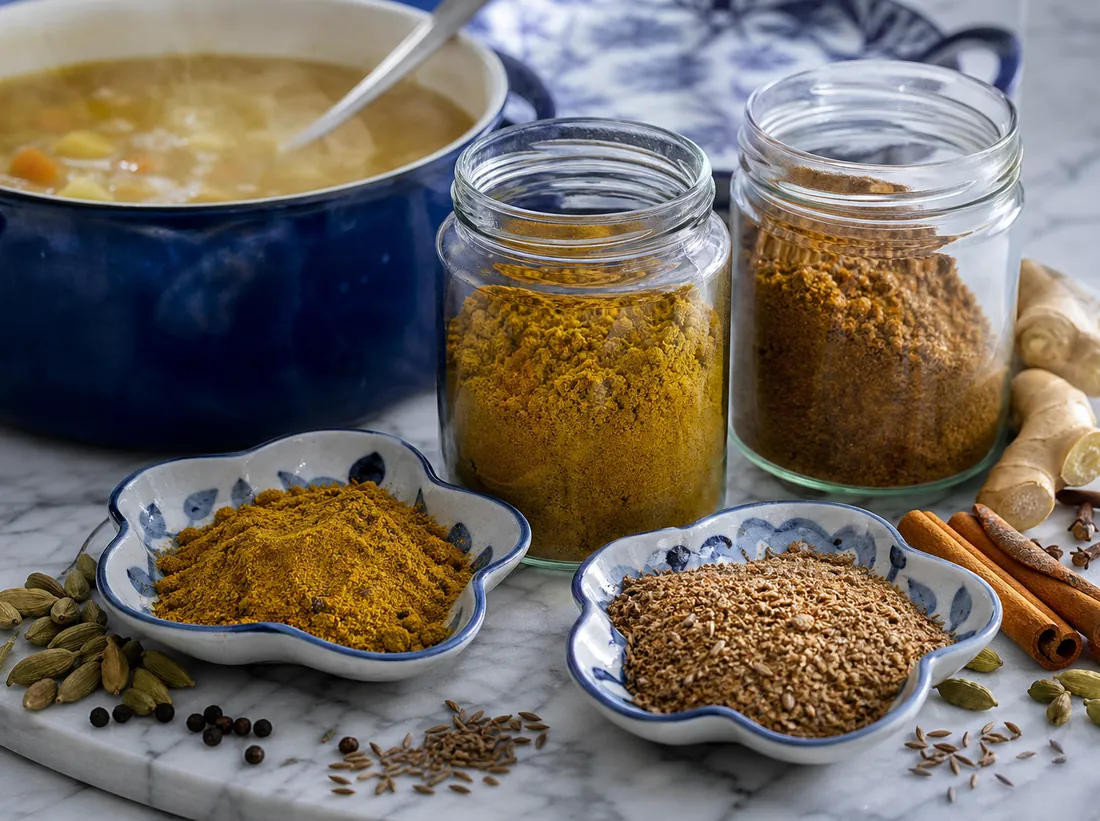
Hawaij
Hawaij is the name of two very different Yemenite spice blends. Hawaij for soup, of cumin, turmeric, black…