Hawaij
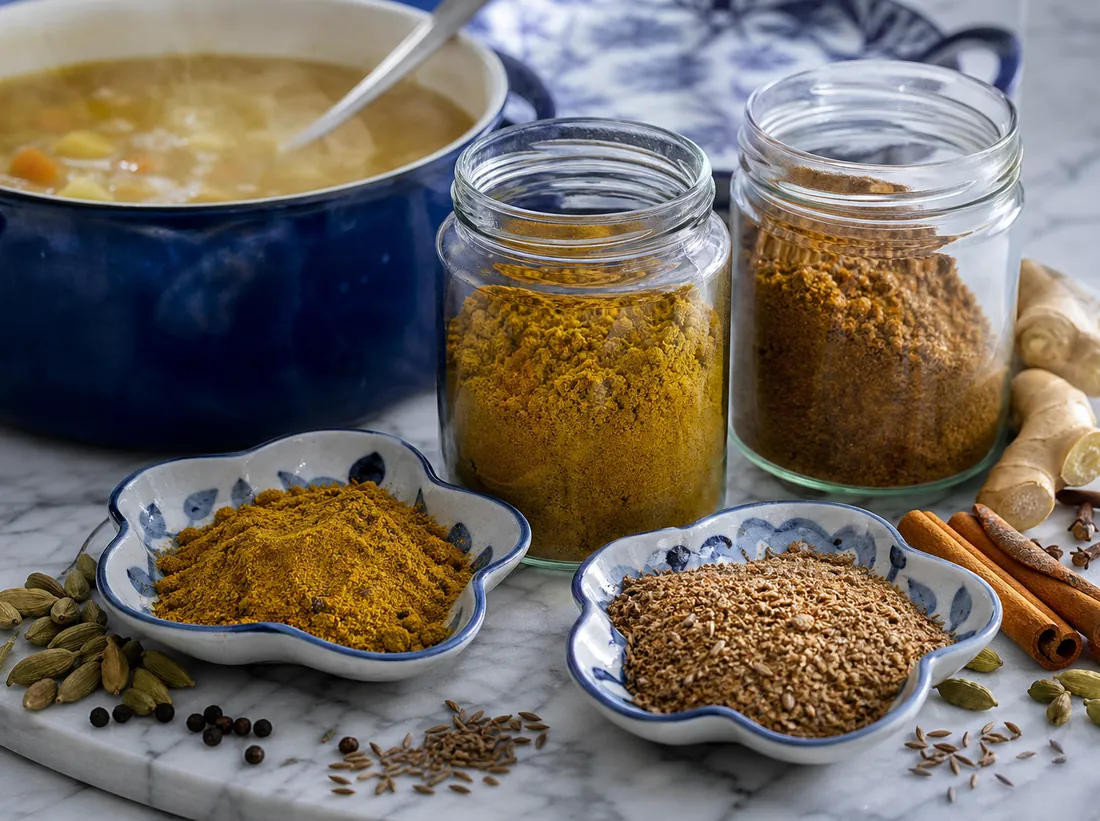
Hawaij is the name of two very different Yemenite spice blends. Hawaij for soup, of cumin, turmeric, black pepper and cardamom, gives Yemenite soup its golden colour, and hawaij for coffee, of ginger, cardamom, cinnamon and cloves, goes into coffee and cakes.
 Illustration
What is Hawaij
The word hawaij comes from Arabic and means roughly the things you need, that is, the basic spices of the house. In Yemen and in Yemenite homes in Israel every family put together its own blend, so no two are exactly alike: some add coriander seed, cloves or caraway, and some push the black pepper or the cardamom.
In Israel hawaij has moved out of the Yemenite kitchen and into almost every kitchen. Hawaij for soup goes into chicken soup, beef soup, regel and stews, and hawaij for coffee goes into black coffee, into qishr, a hot drink of coffee husks, and into honey cakes and biscuits. In Hebrew it is spelled several ways, and it is the same spice.
Price and where to buy
100 g
per kg
Where
Hawaij for soup and for coffee is sold at the spice shops of Carmel Market, especially in the Yemenite Quarter beside it, at Levinsky Market and Hatikva Market in Tel Aviv and at Mahane Yehuda in Jerusalem, ground on the spot in any amount. 100 g packs are also on the spice shelves of supermarket chains, while hawaij for coffee is sometimes only at spice shops.
Shelf prices, October 2026, VAT included.
Kinds of Hawaij
Hawaij for soup
Cumin, turmeric and black pepper with a little cardamom. Golden yellow, earthy and gently hot. For soups, stews, rice and potatoes.
Hawaij for coffee
Dried ginger, cardamom, cinnamon and cloves, sometimes nutmeg or fennel too. Light brown, sweet and hot. For coffee, tea and baking, never for soup.
How to use Hawaij
For soup: how much per pot
About two tablespoons of hawaij for soup, 14 to 18 g, for a pot with three to three and a half litres of water. Chicken soup takes a little less, beef soup and regel a little more.
For soup: when to add it
First bring the meat or chicken to a boil and skim off the foam, and only then add the hawaij. Added too early, some of the spice leaves with the foam and the stock turns cloudy.
For stews, rice and potatoes
A teaspoon of hawaij for soup per cup of rice, or a tablespoon for a tray of potatoes with oil and salt. In stews, warm the spice briefly in the oil with the onion so the aroma opens up.
For coffee: in the pot and in the cup
A quarter to half a teaspoon of hawaij for coffee per cup, in the coffee pot with the coffee, or a pinch in a cup of ready black coffee. It also works in black tea and hot milk.
For coffee and baking: cakes and biscuits
One or two teaspoons of hawaij for coffee in a honey cake or biscuit dough, in place of cinnamon and cloves. Hot and sweet, the smell of Rosh Hashanah.
Soups with Hawaij
 Illustration
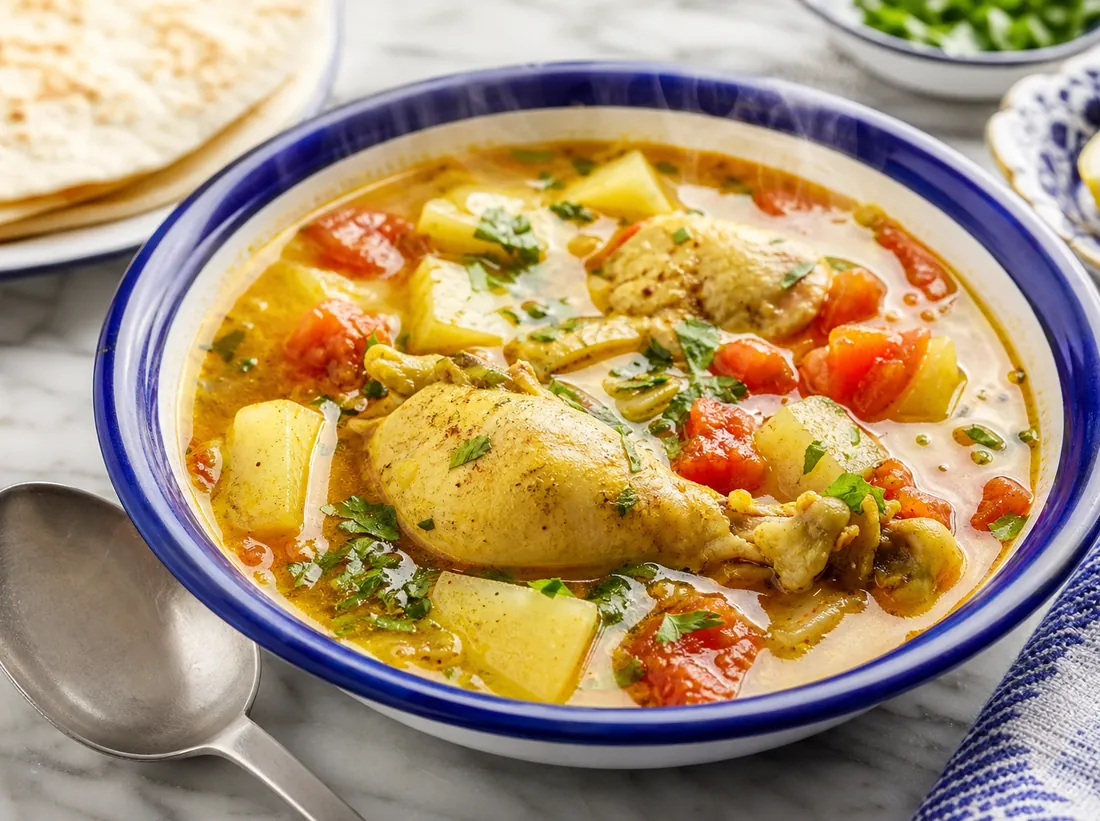
Yemenite chicken soup
Yemenite chicken soup is a golden soup of chicken pieces, potatoes, tomato, garlic and coriander, seasoned…
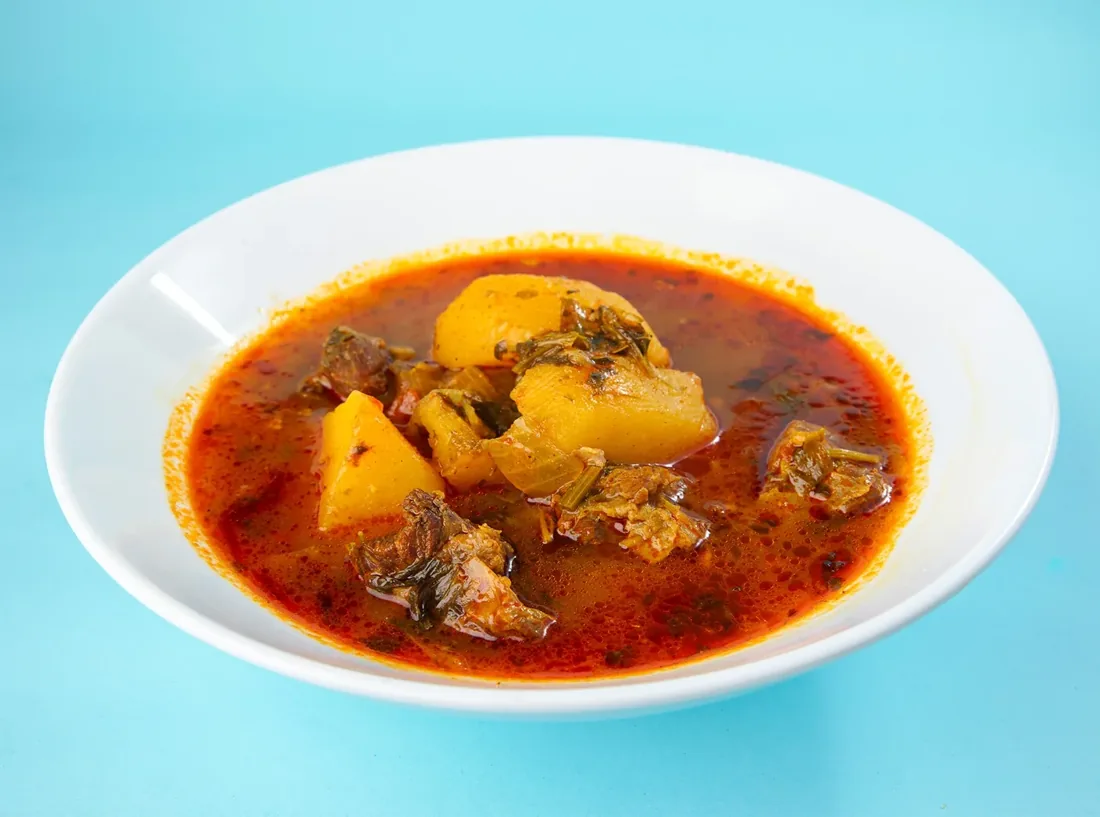
Yemenite beef soup
Yemenite beef soup is a pot of bone-in beef, potatoes, tomato, garlic and coriander, coloured gold and…
 Illustration
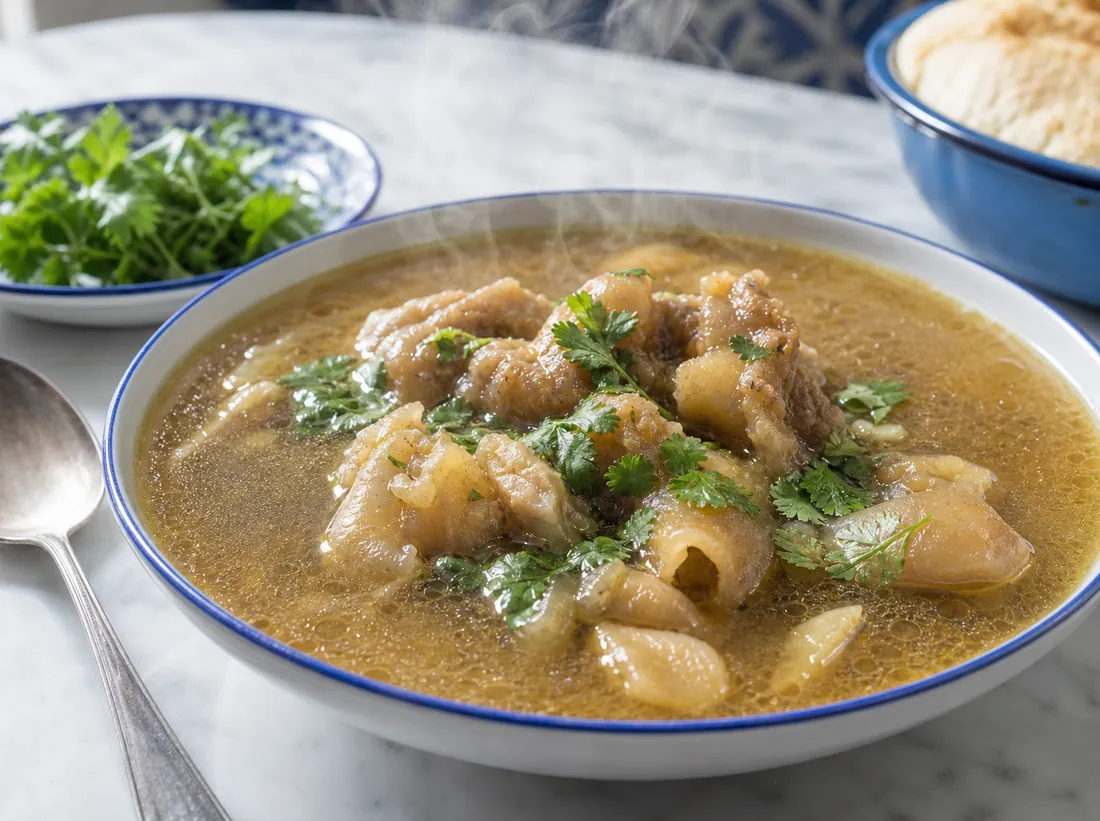
Regel, Yemenite calf-foot soup
Regel is a Yemenite soup of calf feet simmered for about five hours with hawaij, garlic and coriander, until…
How to choose Hawaij
First check the pack: for soup or for coffee. The blends are completely different, and coffee hawaij in a chicken soup will ruin the pot.
Good hawaij for soup is an even golden brown and smells strongly of cumin and pepper the moment you open the bag. A faded colour and a weak smell mean an old blend.
Market spice shops grind hawaij fresh, and you can sometimes ask for more pepper or more cardamom. Buy a small amount that will be used within a few months.
Look for a kashrut mark on the pack, and read the ingredients, since some blends also contain salt.
What to use instead of Hawaij
| Substitute | How, and what changes |
|---|---|
| Home hawaij for soup | Equal parts ground cumin, turmeric and black pepper, with half a part ground cardamom. For example two tablespoons of each and one of cardamom, mixed and kept in a jar. |
| From whole spices | Toast cumin seed, black peppercorns and cardamom pods in a dry pan for a minute or two until fragrant, cool, and grind in a spice grinder with ground turmeric. |
| Curry powder | Only as a last resort, same amount. The colour is similar, but curry has more coriander and fenugreek, usually chilli, and less cumin, so the soup tastes different. |
| Home hawaij for coffee | Two parts ground dried ginger, two parts cardamom, one part cinnamon and half a part ground cloves. At a pinch, cardamom alone works well in coffee. |
How to store Hawaij
In the pantry
In the fridge
In the freezer
The science of Hawaij
Where the golden colour comes from
The colour comes from curcumin in turmeric. It barely dissolves in water but dissolves well in fat, so in a soup with chicken or meat the colour spreads evenly and clings to the potatoes, while in plain water it stays paler.
Why the aroma fades in the jar
The scent of cumin and cardamom comes from volatile oils. Grinding opens the cells that hold them, and from then on they evaporate and oxidise, faster in light and heat. Whole spices keep their aroma far longer than ground.
Why you toast before grinding
In a dry pan the seeds heat and dry, their aromatic oils are released and browning reactions create new roasted flavours. The blend comes out deeper and rounder. A minute or two is enough, since burnt seeds are bitter.
Why dried ginger bites differently
In fresh ginger the heat comes from gingerol. Drying and heating turn part of it into shogaol, which is hotter and warmer. That is why the dried ginger in coffee hawaij gives a deep, lasting heat rather than the freshness of fresh ginger.
Ask for Hawaij
Looking for Hawaij and cannot find it? Send a request and we will come back with a price and availability.
- Tell us how much you need and by when.
- We come back with a price, pack size and availability.
- Pick up at 99 Ibn Gabirol or delivery in Tel Aviv.
Frequently asked questions
What is hawaij?
A Yemenite spice blend. Hawaij for soup is made of cumin, turmeric, black pepper and cardamom, and hawaij for coffee of ginger, cardamom, cinnamon and cloves.
What is in hawaij for soup?
Cumin, turmeric and black pepper with a little cardamom. Some blends also include coriander seed, cloves or caraway.
What is the difference between hawaij for soup and hawaij for coffee?
They are two different blends. The soup blend is earthy, yellow and peppery; the coffee blend is sweet and hot from ginger. Never swap one for the other.
How much hawaij goes into soup?
About two tablespoons for a pot with three litres of water. Add it after skimming the foam, and taste towards the end.
How do I make hawaij for soup at home?
Mix equal parts ground cumin, turmeric and black pepper with half a part cardamom. Toasting the whole seeds before grinding gives a stronger aroma.
Is it hawaij, hawayej or hawaj?
All of these spellings are common, in Hebrew and in English. It is the same spice, and market signs use every one of them.
The Complete99 pantry
Ingredients and kitchen gear, with prices and availability.
More from the pantry
Amba
Amba is a sour, spicy sauce of pickled green mango, yellow from turmeric with a strong smell of fenugreek. It…
Baharat
Baharat is a blend of warm, fragrant spices, and its name is simply the Arabic word for spices. In Iraqi,…
Bulgur
Bulgur is wheat that has been boiled, dried and cracked, so it is ready in minutes. Fine bulgur, which many…