Hilbeh (fenugreek)
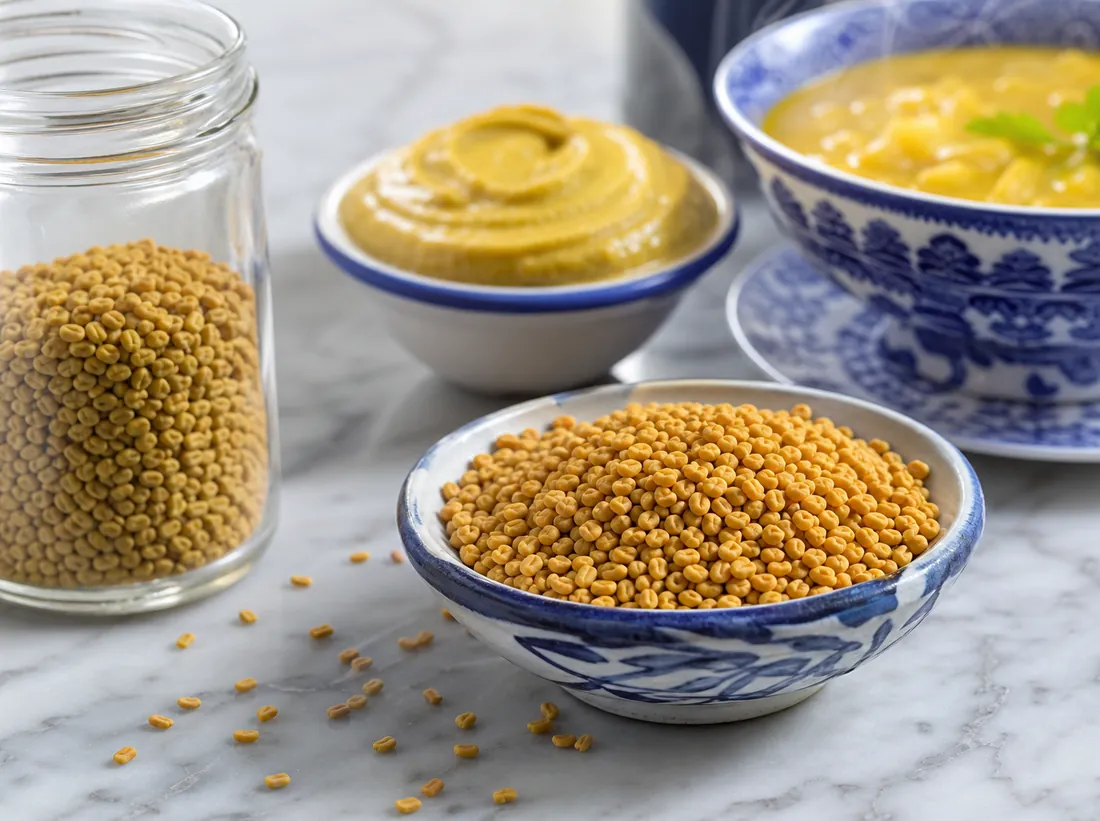
Hilbeh is the small yellowish seed of the fenugreek plant, and also the name of the whipped Yemenite relish made from it and served next to Yemenite soup. Raw, the seeds are bitter; soaked or toasted, they give a deep scent of curry and maple.
 Illustration
What is Hilbeh (fenugreek)
Fenugreek is an annual plant of the legume family, and its seeds are hard, angular grains of a yellow brown colour. The seeds are sold whole or ground, and the leaves fresh or dried. Fenugreek is part of Indian curry blends, Ethiopian berbere, Georgian spice mixes and Moroccan lahshu soup.
In Yemenite homes hilbeh is first of all a relish: ground fenugreek soaked for hours in water, whipped until pale and airy and seasoned with zhug and lemon. It is served on Shabbat and during the week next to Yemenite soup, lahoh and saluf bread, for dipping bread or for a spoonful on top of the soup. It tastes gently bitter, hot from the zhug, and feels light, almost like foam.
Price and where to buy
100 g seeds
per kg
Where
Fenugreek seeds and ground fenugreek are sold at the spice shops of Carmel Market and the Yemenite Quarter beside it, Levinsky Market and Hatikva Market in Tel Aviv, Mahane Yehuda in Jerusalem and natural food shops. Ready hilbeh is in the chillers of Yemenite delis and grocers and in some supermarket chains. Dried fenugreek leaves are at Indian and Persian shops and online spice shops.
Shelf prices, October 2026, VAT included.
Kinds of Hilbeh (fenugreek)
Whole fenugreek seeds
The form that keeps longest. Fry them in oil at the start of a dish, toast and grind them for blends, or soak them for hilbeh.
Ground fenugreek
A yellow powder that makes the Yemenite relish quicker. It loses its scent sooner, so buy small amounts.
Ready made hilbeh
The whipped Yemenite relish, in tubs in the chillers of Yemenite delis and some supermarkets. Some is plain and some already has zhug.
Fenugreek leaves
Fresh or dried, with a sweet, herby smell. Indian cooks crumble them into curries, and in Persian cooking they are one of the herbs of ghormeh sabzi.
Utskho suneli, blue fenugreek
A close relative with a milder taste, one of the key spices of Georgian cooking and of khmeli suneli.
How to use Hilbeh (fenugreek)
Yemenite hilbeh
Cover two tablespoons of ground fenugreek with cold water and soak for at least 3 hours, or overnight in the fridge. Pour off the water and whip for 5 minutes, adding cold water a spoonful at a time, until pale and risen. Season with a teaspoon of zhug, a little lemon and salt.
With Yemenite soup
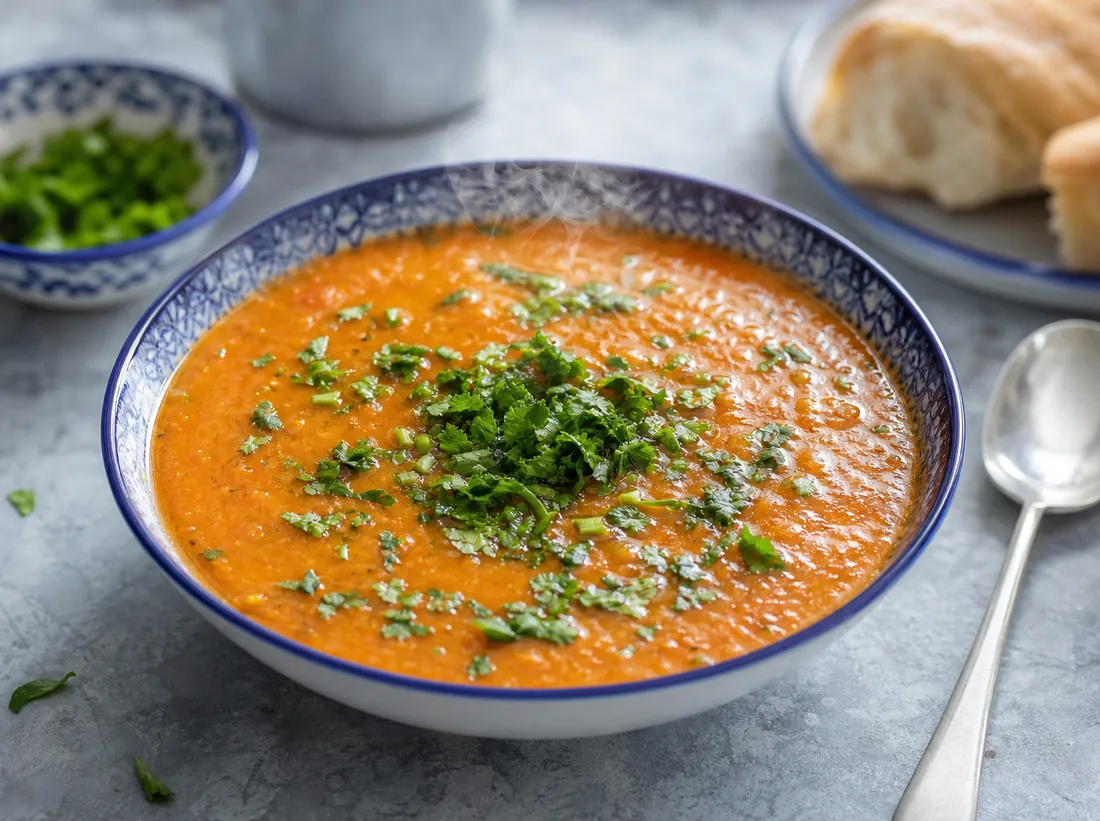
Hilbeh is never cooked in the pot. Put a spoonful on top of the soup in the bowl, just before eating.
Lahshu and stews
Fry about half a teaspoon of whole seeds in oil with the onion at the start, 3 to 5 minutes, until they darken slightly and smell toasty.
Spice blends
Toast seeds in a dry pan for a minute or two until golden, then grind. A quarter to half a teaspoon is enough for a homemade curry blend.
Dried leaves
Crumble a tablespoon of dried leaves into a curry or ghormeh sabzi for the last 10 minutes. More than that turns bitter.
How to choose Hilbeh (fenugreek)
Whole seeds should be an even yellow brown, dry and hard, with no dust and no musty smell.
Ground fenugreek should smell strong as soon as the bag is opened. A powder with no smell is old.
Buy ready made hilbeh from the chiller, with the freshest date you can find, and check whether it already contains zhug.
Look for a kashrut mark on the pack, for the seeds and for the ready relish.
What to use instead of Hilbeh (fenugreek)
| Substitute | How, and what changes |
|---|---|
| Ground fenugreek for seeds | A level teaspoon of powder for a teaspoon of seeds. It releases flavour faster, so add it later in the cooking. |
| Curry powder | About half a teaspoon for a teaspoon of seeds in a stew. It contains fenugreek, but also turmeric and cumin, so the taste shifts. Nothing replaces the Yemenite relish. |
| Dried leaves for fresh | A tablespoon of dried leaves for a handful of fresh. The scent is stronger, so go easy. |
How to store Hilbeh (fenugreek)
In the pantry
In the fridge
In the freezer
The science of Hilbeh (fenugreek)
The smell that lingers
The key aroma compound of fenugreek is sotolon, which in tiny amounts smells of maple syrup and curry. It is stable in heat and passes into sweat, which is why the smell can still be noticed the day after a meal heavy in hilbeh.
Why hilbeh turns into foam
The seeds are rich in galactomannan, a soluble fibre that absorbs water and becomes a thick, slippery gel. When soaked fenugreek is whipped, that gel wraps around air bubbles and holds them, much like egg white, so the relish rises and turns pale.
How to take the bitterness out
Some of the bitter compounds in fenugreek dissolve in water. A long soak and pouring off the soaking water, sometimes twice, carries them away. For spices, dry toasting does a similar job: it breaks down some bitterness and develops a nutty smell.
Ask for Hilbeh (fenugreek)
Looking for Hilbeh (fenugreek) and cannot find it? Send a request and we will come back with a price and availability.
- Tell us how much you need and by when.
- We come back with a price, pack size and availability.
- Pick up at 99 Ibn Gabirol or delivery in Tel Aviv.
Frequently asked questions
What is hilbeh?
Fenugreek seed, and the whipped Yemenite relish made from it that is served next to Yemenite soup.
How do you make Yemenite hilbeh?
Soak ground fenugreek in cold water for at least 3 hours, pour off the water, whip with a little cold water until pale and risen, and season with zhug, lemon and salt.
Why is my hilbeh bitter?
Usually the soak was too short or the water was not changed. Soak longer, pour off the water twice and add a little lemon.
Why do you smell after eating fenugreek?
Its aroma compound, sotolon, passes into sweat. It is natural and fades within a day or two.
What do you eat hilbeh with?
Yemenite soup, lahoh and saluf, next to zhug and grated tomato, and on warm pita.
Where can I buy fenugreek in Israel?
Seeds and powder at spice shops and markets, ready hilbeh in the chillers of Yemenite delis and some supermarkets.
The Complete99 pantry
Ingredients and kitchen gear, with prices and availability.
More from the pantry
Amba
Amba is a sour, spicy sauce of pickled green mango, yellow from turmeric with a strong smell of fenugreek. It…
Baharat
Baharat is a blend of warm, fragrant spices, and its name is simply the Arabic word for spices. In Iraqi,…
Bulgur
Bulgur is wheat that has been boiled, dried and cracked, so it is ready in minutes. Fine bulgur, which many…