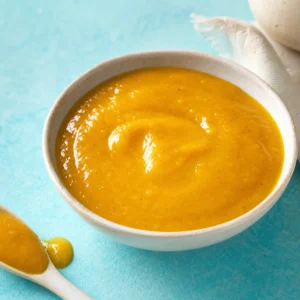
Amba 500 g
Mango-based amba sauce. The complete ingredient list appears on the supplier pack.
Understand the flavour
A guide to aubergine, tahini, amba, beetroot, eggs and herbs, with important safety questions before ordering.
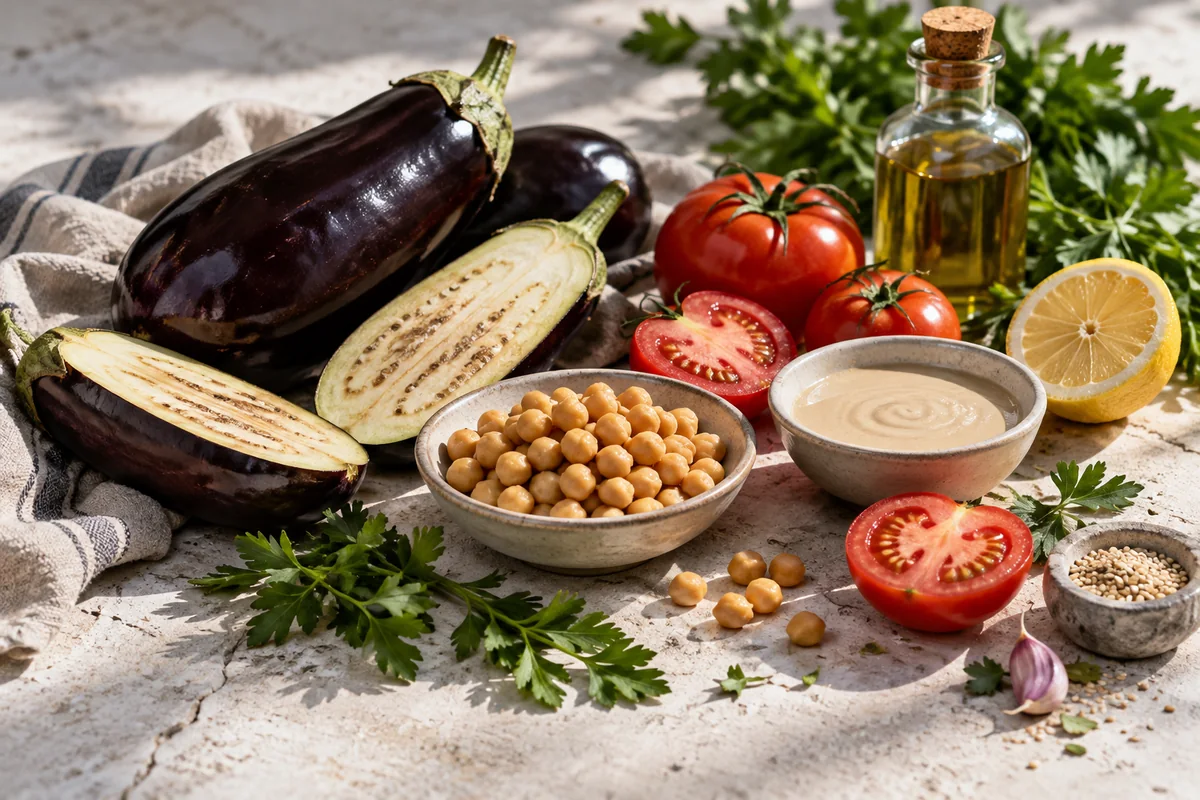
A varied diet includes vegetables, pulses and whole grains. When comparing nutrient values, check whether the food is raw or cooked and the weight the figures refer to.
Ingredient, product and dish
Mango-based amba sauce. The complete ingredient list appears on the supplier pack.
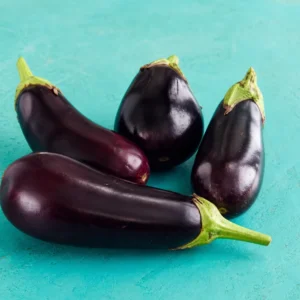
Fresh aubergine.
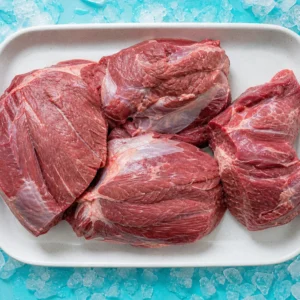
Fresh beef shank.
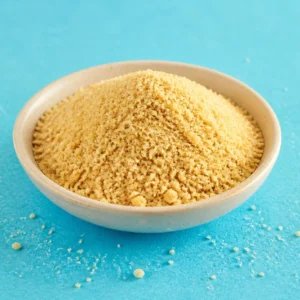
Wheat-based breadcrumbs. The complete ingredient list appears on the supplier pack.
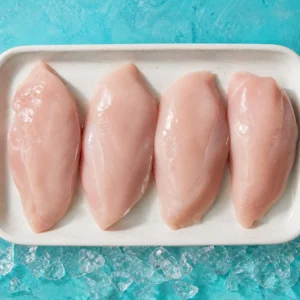
Fresh chicken breast.
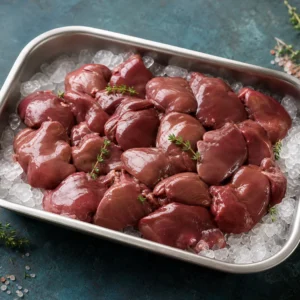
Fresh chicken liver.
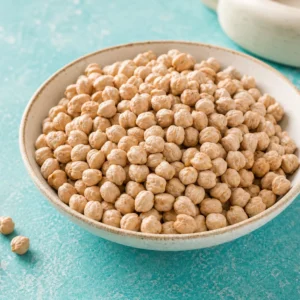
Dry chickpeas.
Chickpeas contain plant protein and dietary fibre. Add cooked chickpeas to salads, soups or stews. In hummus, the amounts of tahini, oil and salt also shape the nutritional composition of the serving.
Ministry of Health: pulses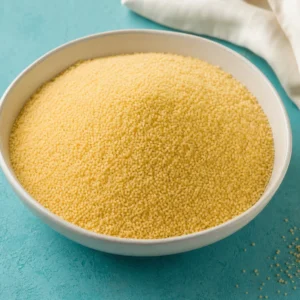
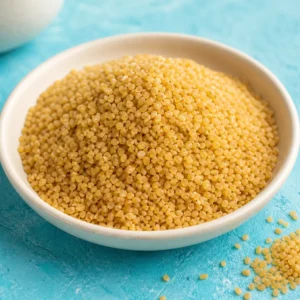
Couscous made from wheat semolina. The complete ingredient list appears on the supplier pack.

Fresh size L hen eggs.
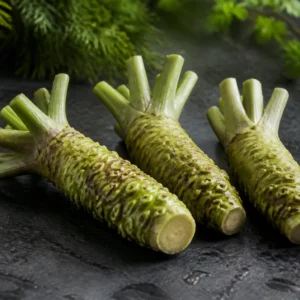
Fresh Japanese wasabi rhizomes with a total pack weight of 250 g. Rhizome count and individual size may vary.
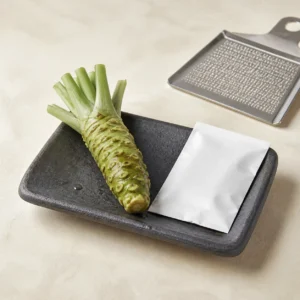
One Dutch-grown fresh wasabi rhizome weighing 50 to 60 g.
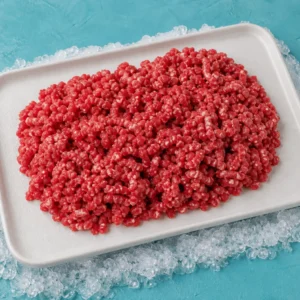
Fresh ground beef.
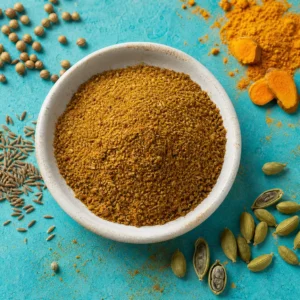
Hawayej spice blend for soup. The complete blend appears on the supplier pack.
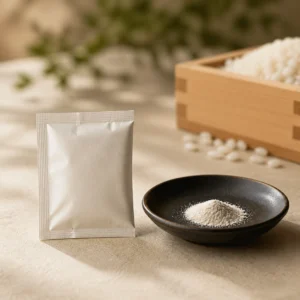
Hishiroku Chouhaku-kin powdered koji starter culture. This is a concentrated process input for cultivating new koji, not an additive required for prepared koji.
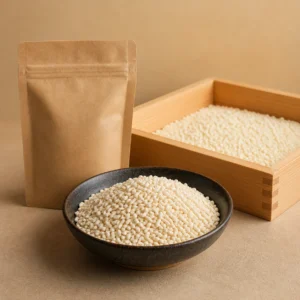
Dried kome koji made from rice cultivated with koji culture. The maker page identifies the product as SR-108; the supplied pack label is authoritative.
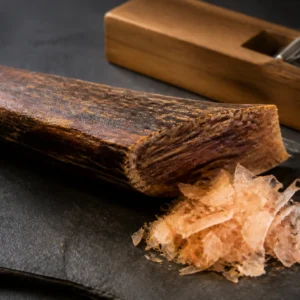
A cooked, smoked, dried and matured bonito block made by the katsuobushi process. Follow the ingredient list on the supplier pack.
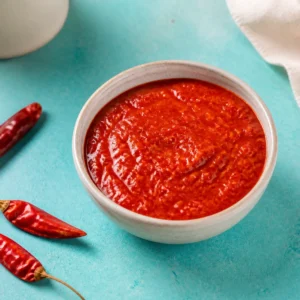
Hot pepper sauce. The complete ingredient list appears on the supplier pack.
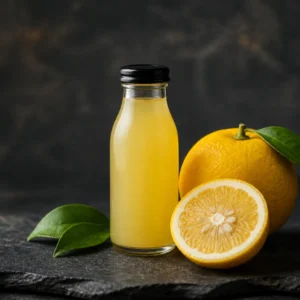
100% yuzu juice, according to the producer description. The supplied product label is authoritative.

Short-grain Koshihikari rice from Uozu in Toyama, Japan, according to the reviewed product description. The supplied pack label is authoritative.
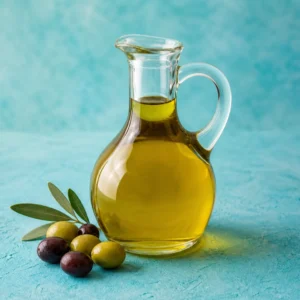
Extra virgin olive oil.
Olive oil contains unsaturated fat. The World Health Organization recommends choosing unsaturated rather than saturated fats. The amount added to a meal still matters.
World Health Organization: healthy diet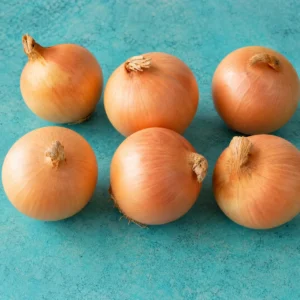
Dry onion.
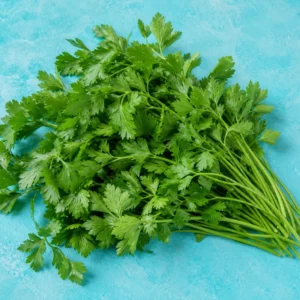
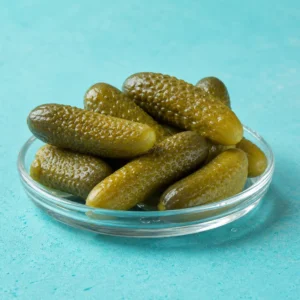
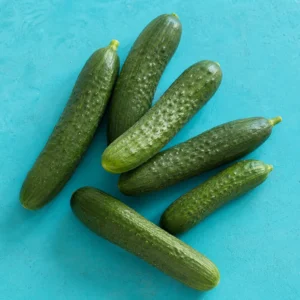
Cucumbers in brine. The complete ingredient list appears on the supplier pack.

Wheat-flour pita bread. The complete ingredient list appears on the supplier pack.
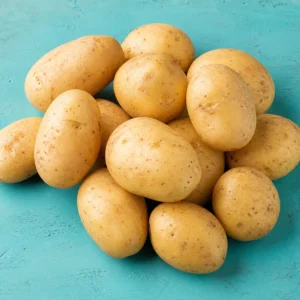
Fresh white potato.
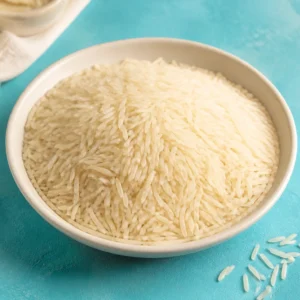
Persian-style rice.
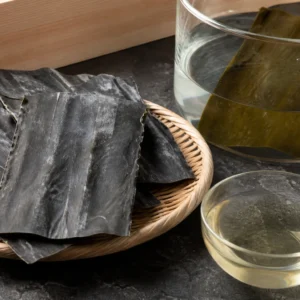
Dried Rishiri-type kombu seaweed.
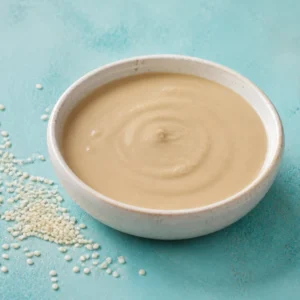
Ground sesame seeds.
Israeli dietary guidance includes tahini among the plant-fat foods to include in a daily diet. When comparing sesame paste with prepared tahini sauce, account for the added water, salt and serving size.
Ministry of Health: oils and fats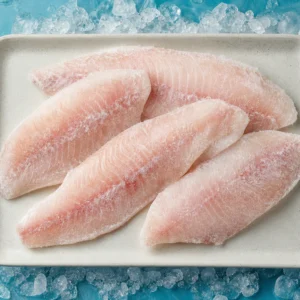
Frozen tilapia fish fillet.
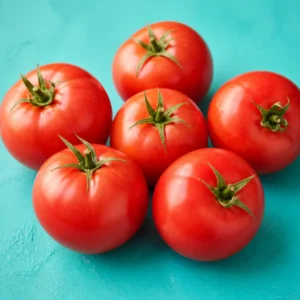
Fresh tomato.
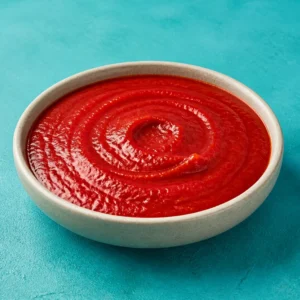
Concentrated tomato sauce. The complete ingredient list appears on the supplier pack.
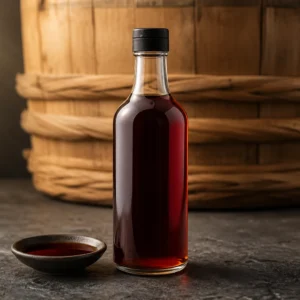
Soybeans, wheat and salt, according to the producer description. The supplied product label is authoritative.
Israeli kitchen ingredients take on meaning through the dish in which they meet. An ingredient can bring softness, acidity, colour, heat, freshness or texture. In Complete99 sabich, kubbeh and egg dishes, the connection between ingredients matters as much as each component on its own.
Aubergine, egg and potato give sabich a soft, substantial base. Salad adds a fresh component, tahini contributes sesame flavour, and amba brings spiced acidity. Hot sauce adds heat, though the level and amount can change with the order.
In a pita, the components, sauces and bread meet in almost every bite. A plate can keep each component clearer and lets you change the balance as you eat. Neither format is the correct one. They are two ways to encounter the same family of flavours.
Tahini is sesame paste. Amba is a sharp, tangy, spiced mango condiment. They are very different flavours, and their balance can make the same base of aubergine, egg and potato feel milder, more acidic or more pronounced.
A sauce may contain ingredients that cannot be seen in a photograph or learned from a dish name. If you prefer less heat, sauce on the side, or need information about a particular ingredient, ask what is included in the version offered now.
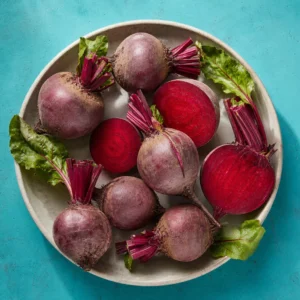
In beet kubbeh, beetroot gives the broth a deep colour and a flavour that moves between sweet and sour. The menu describes the kubbeh as meat-filled. Understanding the dish means reading shell, filling and broth together, not treating the word kubbeh as one fixed recipe.
Kubbeh is a broad family of shapes, shells, fillings and broths. The description on this page applies only to the Complete99 dish. It does not define what must appear in kubbeh from another kitchen or family.
In shakshuka, tomato sauce and eggs form the centre of the dish. In aja, eggs meet herbs and greens. In sabtucha, a shakshuka egg joins aubergine, potato and salads from the sabich family.
That comparison helps you choose between tomato and sauce, herbs and greens, or a closer meeting with sabich components. It is not a complete ingredient list and does not replace an answer from the team about the dish being prepared now.
Tahini is made from sesame, and egg appears in the name or description of sabich, shakshuka and aja. That still does not mean every other ingredient is known. A dish name also cannot explain possible contact with other ingredients in the kitchen.
For an allergen, sensitivity or dietary question, speak with the team before ordering. Do not rely only on a photograph, a familiar home version or a general description. If you have a diagnosed allergy, follow the personal medical guidance you have received.
A packaged-food label and a restaurant ingredient description are different things. The Israel Ministry of Health publishes official rules for prepacked food labelling. On our dish pages, we do not present a short description as if it were a complete label.
Israel Ministry of Health guidance for handling food at home recommends keeping the refrigerator at 4°C and cooling cooked food promptly so that it reaches refrigerator temperature within two hours. It also warns that normal appearance and smell do not prove that stored food is still safe.
Follow any specific storage instruction supplied with your food. When there is no specific instruction and you are saving leftovers, use the official guide linked below. General information on this page does not replace a safety instruction for a particular food.
We separate three things: what the current Complete99 menu describes, general knowledge from an external source, and sensory language that helps with choosing. When a source presents a cultural or family story, we identify it as a story rather than proof for every version of a dish.
We will not publish a nutrition value, medical suitability statement, allergen guarantee or complete ingredient list without information for the actual dish and responsible review. Current price, options and availability remain in the ordering menu.
Hungry now
Current price, options and availability are shown in the ordering menu.