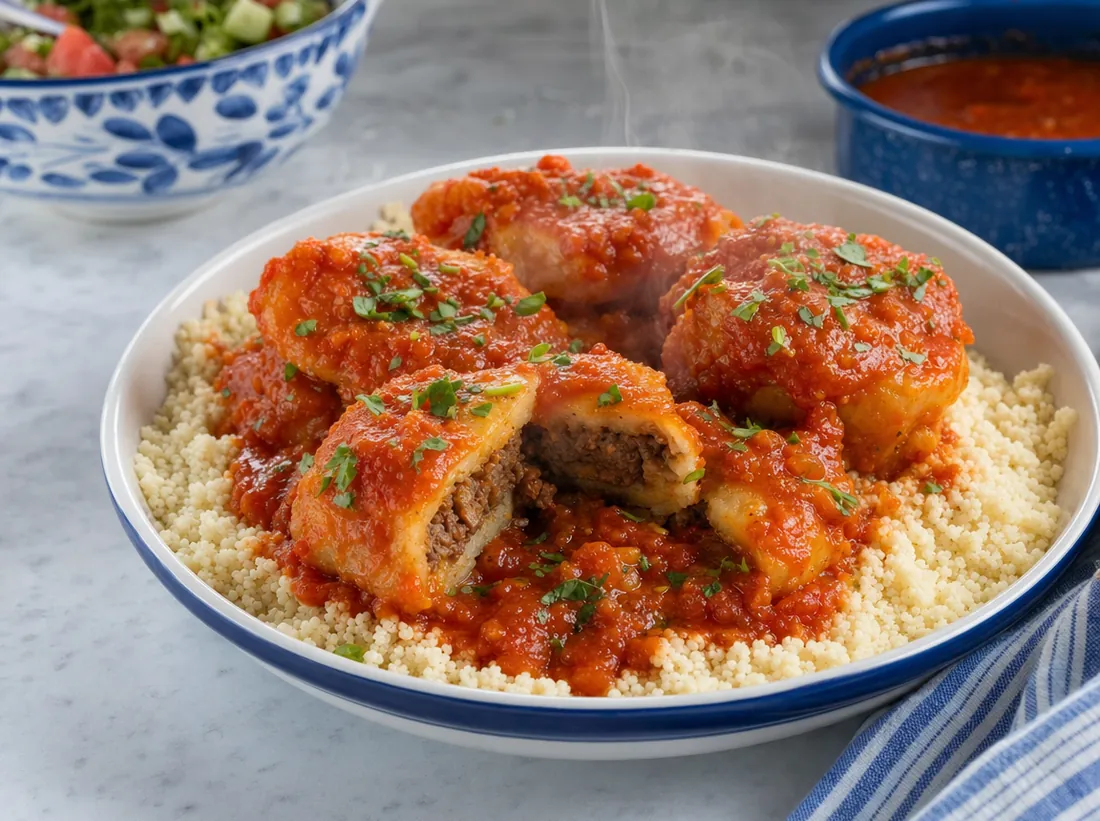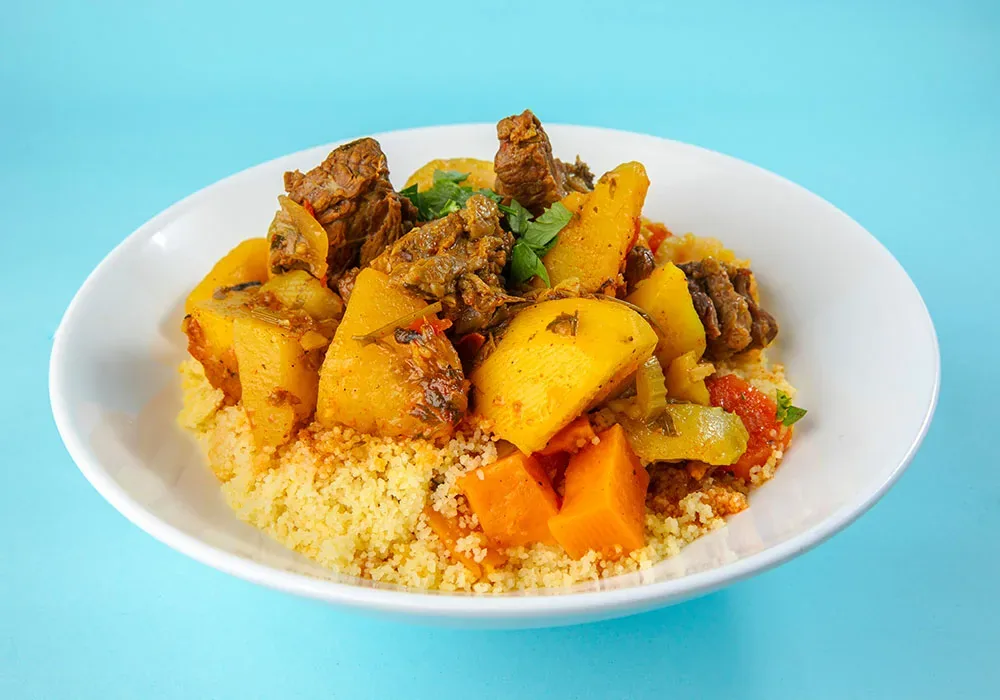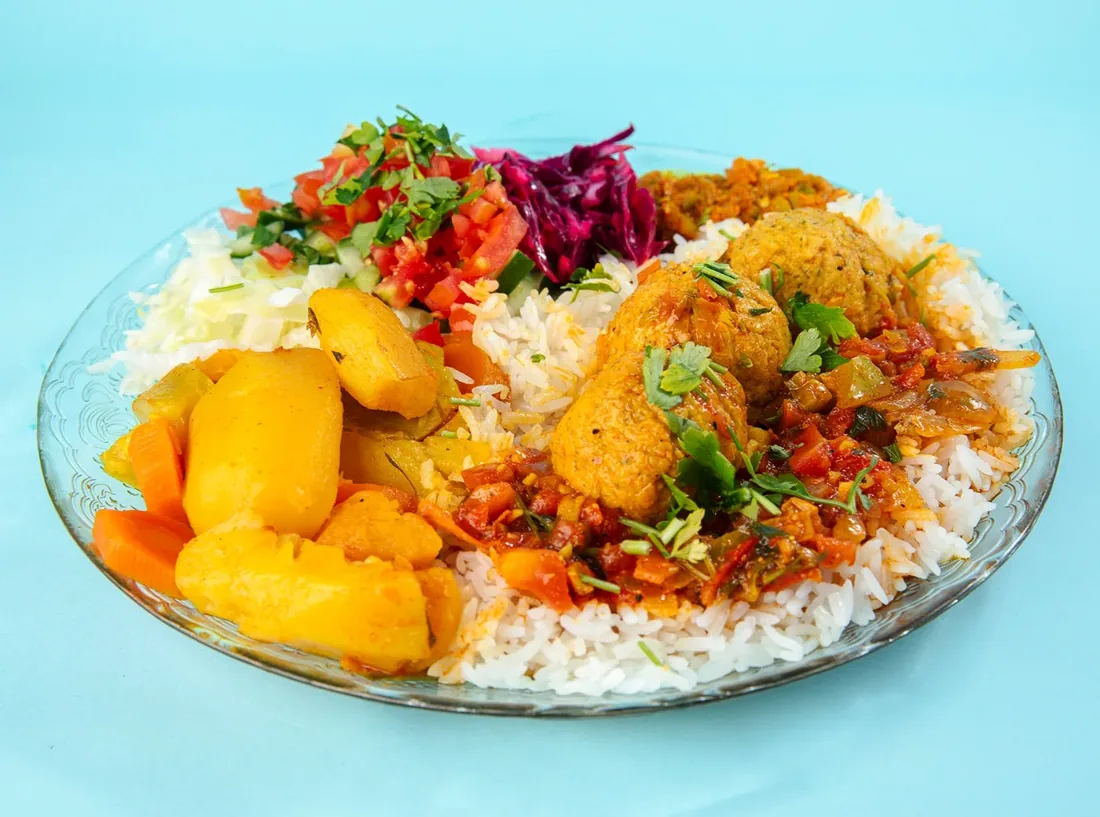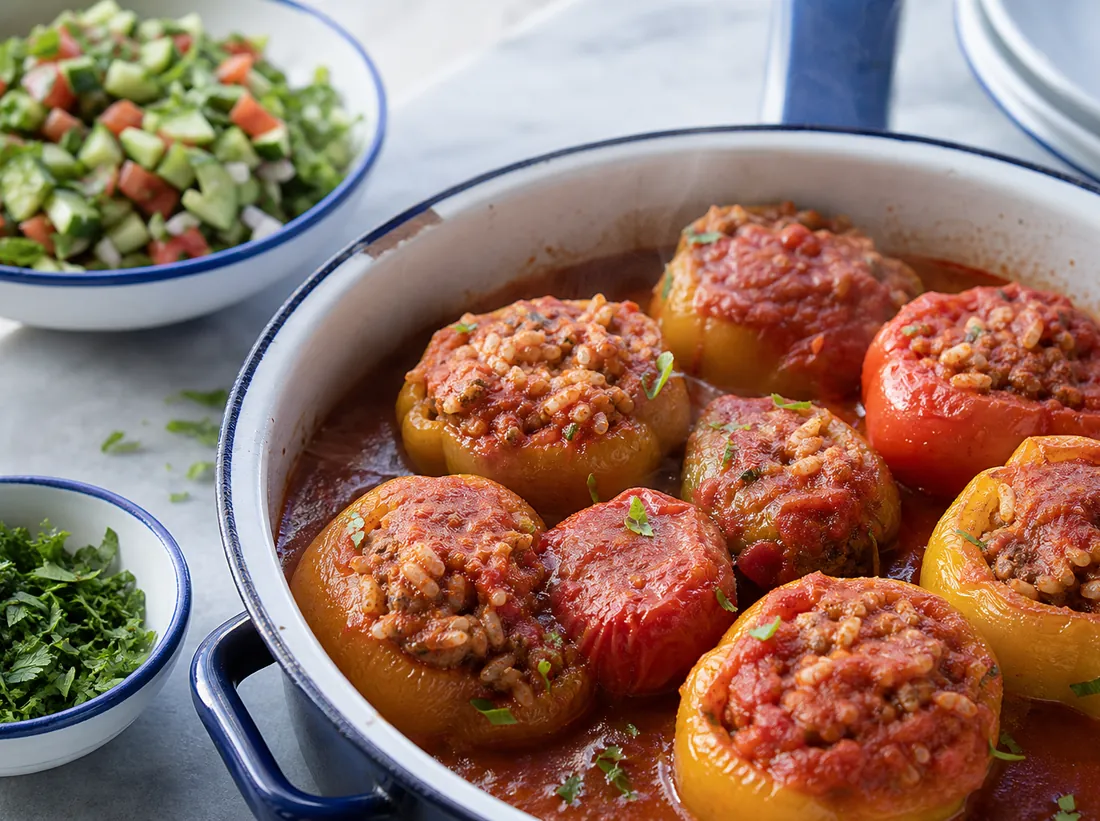
The story of Meatballs in tomato sauce
In almost every kitchen where meat was dear, people minced it, added bread, onion and egg so it would stretch to everyone, and cooked it in a sauce. That is how the kefta of the Middle East and North Africa, Turkish köfte, Italian polpette and the meatballs of Eastern Europe came about. Jewish communities carried the tradition with them wherever they went, and each brought its own spices to the meatball: cumin and paprika in Morocco, allspice and cinnamon in Syrian homes, sugar and lemon in the Ashkenazi sauce.
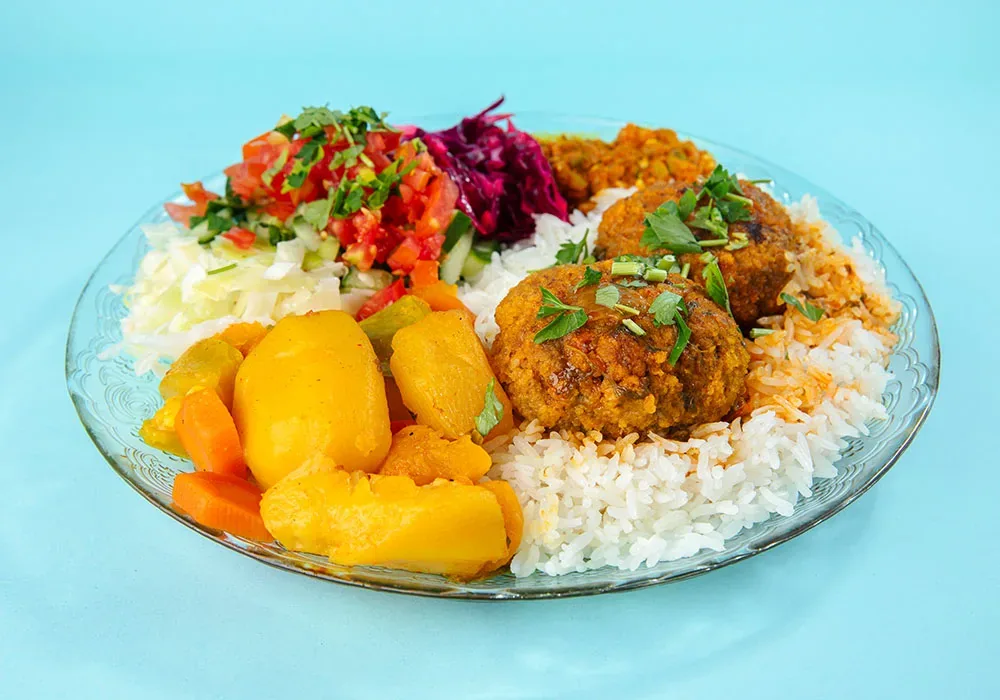
In Israel meatballs in sauce settled into a shared home style: tomato sauce with garlic and paprika, small tender meatballs, and white rice alongside. They are a weekday dish and a Friday dish, and almost every family has a grandmother's recipe handed down through the generations. Because they cook well in big pots and taste better as they stand, they turn up at nearly every family celebration.
What makes Meatballs in tomato sauce itself
A good meatball in sauce is soft as a pillow, not firm like a burger. The secret is three things: meat with a little fat, bread soaked in water for moisture, and a short knead with the salt that binds the meat so the meatball does not fall apart. They are browned only on the outside, then finish cooking slowly in the sauce, giving it their flavour and soaking some back. The sauce itself is balanced: tomato acidity, a pinch of sugar, garlic and paprika, and fresh herbs inside the meatballs.