The story of Mafrum
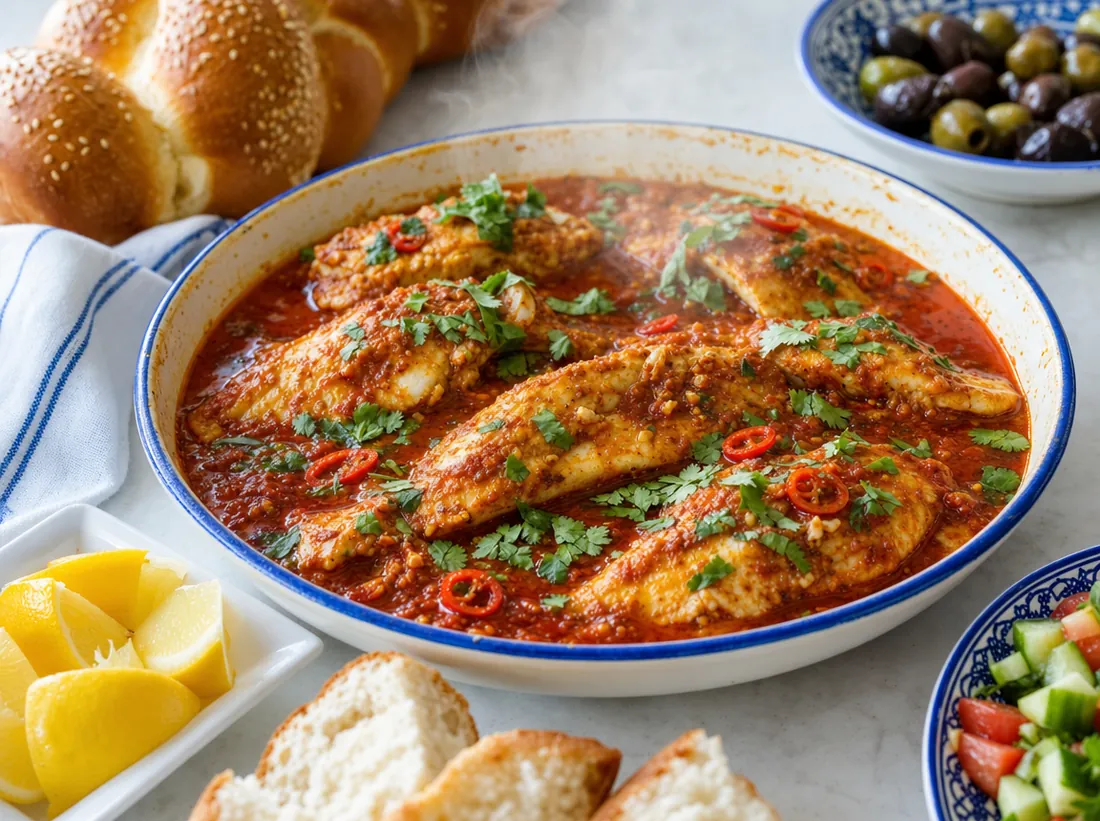
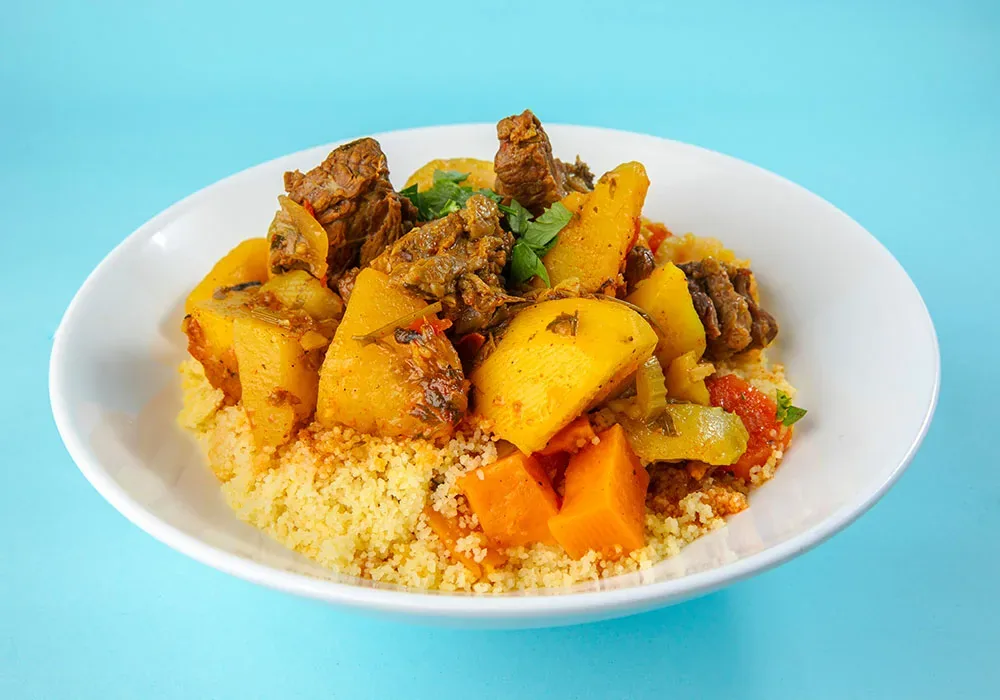
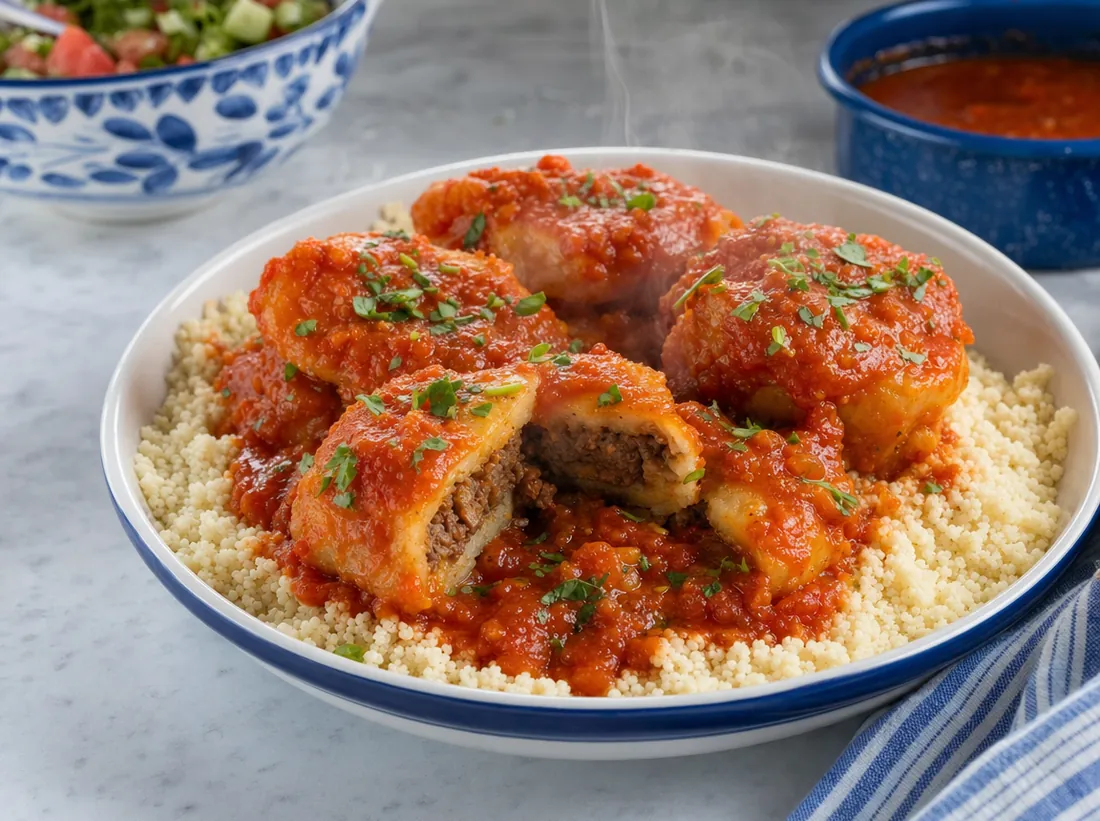
Mafrum belongs to the Jews of Libya, and above all to the community of Tripoli. The name comes from Arabic and means minced, after the meat in the filling. In a Tripolitan home it was made for Friday and the holidays, next to chraime and couscous, and it is a dish that needs a practised hand: a slice too thin breaks, a filling too lean dries out, and a sauce not cooked long enough stays sharp.
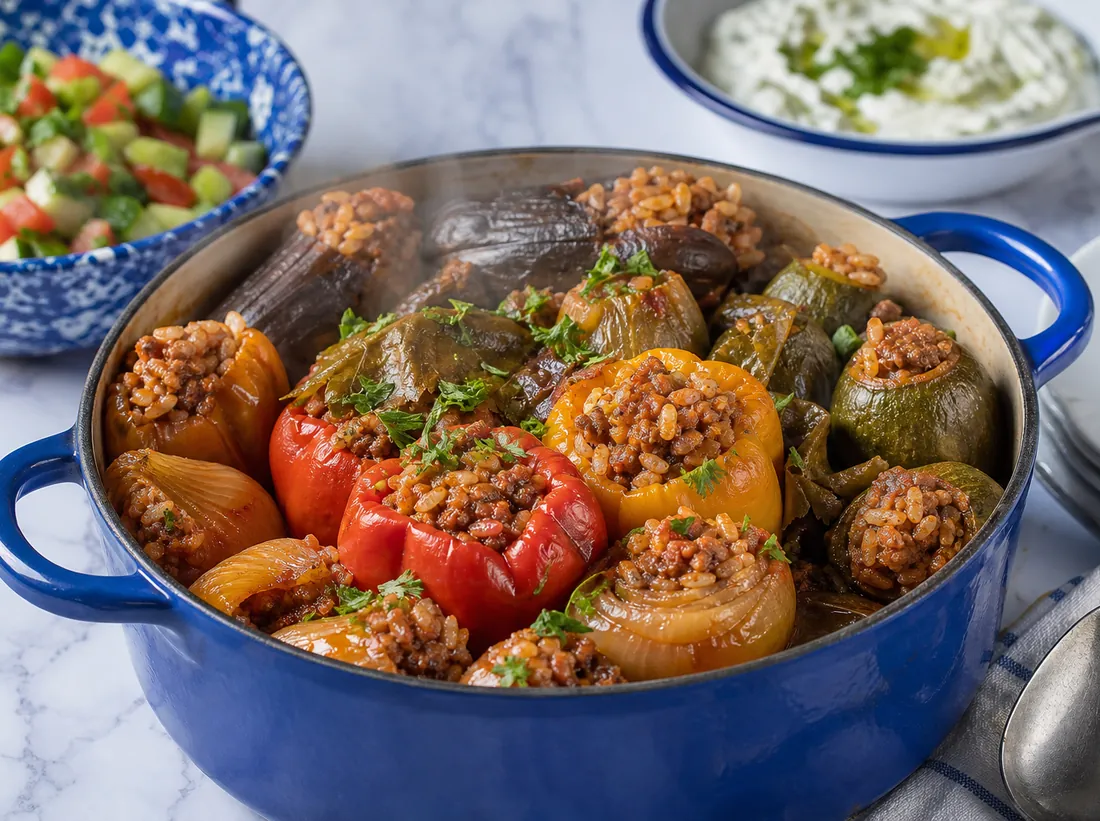
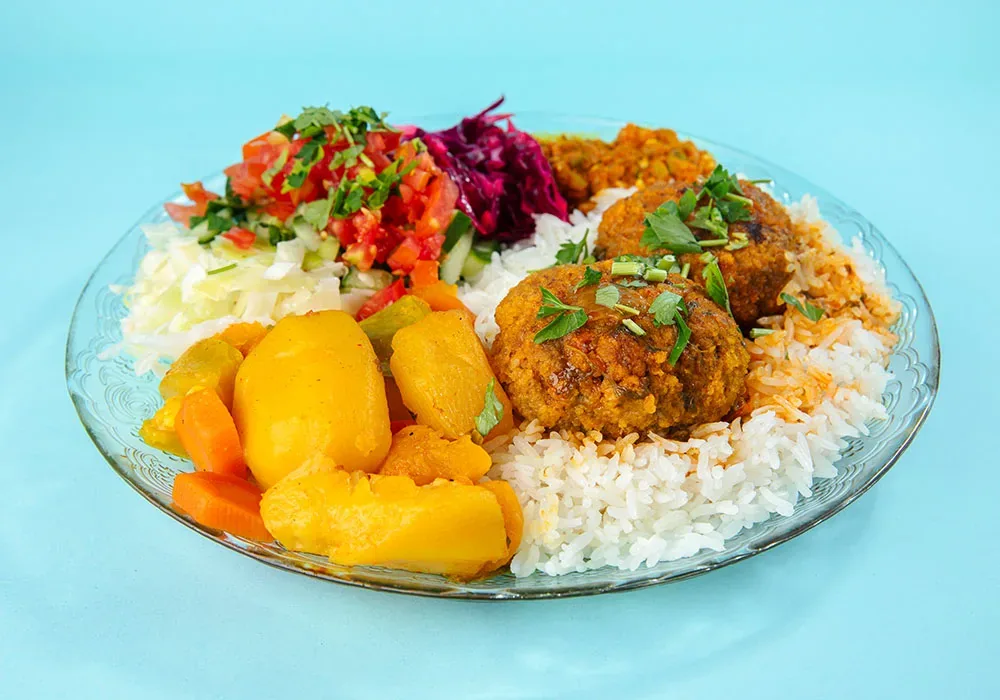
Most Libyan Jews came to Israel in the early 1950s, and mafrum came with them to towns and villages across the country. Here Jews from Tunisia, Morocco and Egypt adopted it too, each with a small change, and today it is one of Israel's favourite stuffed dishes, in versions with aubergine, cauliflower and even baked in the oven. Another Libyan community, which settled in Rome after 1967, brought it into the city's Jewish kitchen as well.
What makes Mafrum itself
The secret of mafrum is the engineering of the pocket. Each potato is sliced lengthwise into 2 cm slabs and each slab is cut down the middle almost to the end, leaving a pocket with a closed bottom. The meat is pressed in, the flour and egg seal the opening in the fryer, and the sauce of tomato paste with paprika, cumin and caraway soaks into the potato during the long simmer. The result has three layers: a soft coat full of sauce, melting potato and a juicy filling.