The story of Red rice
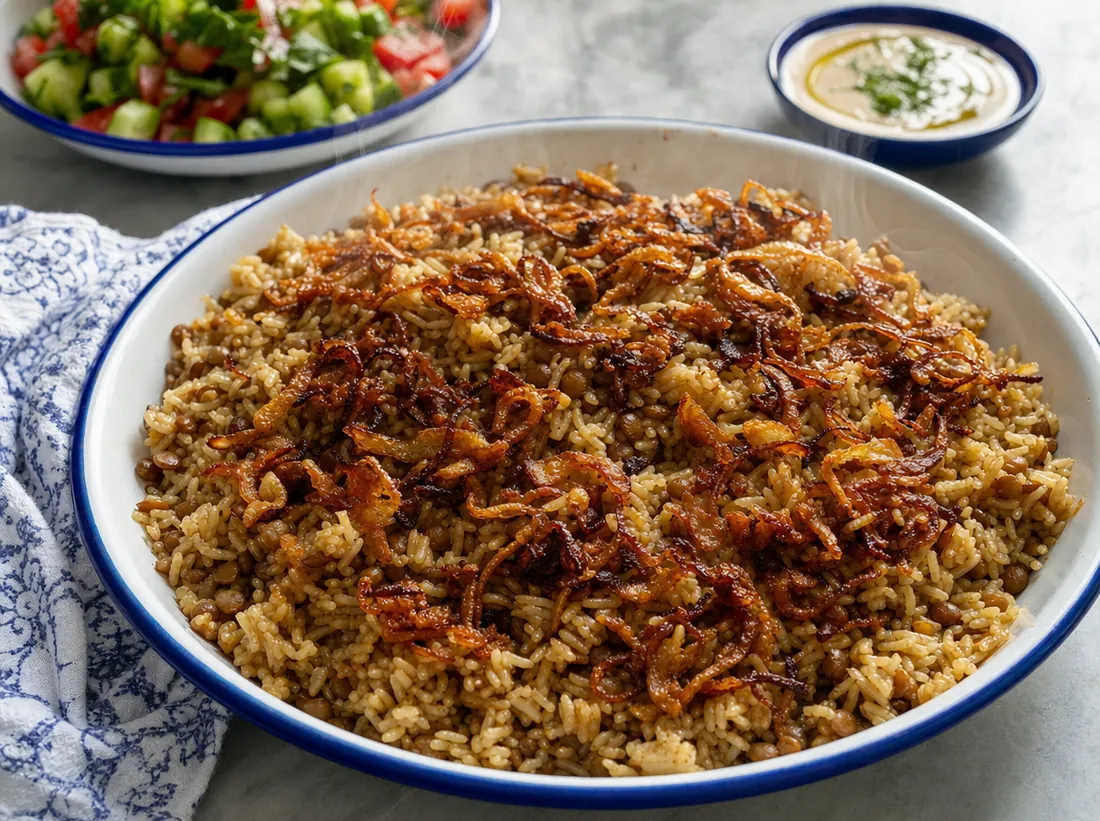
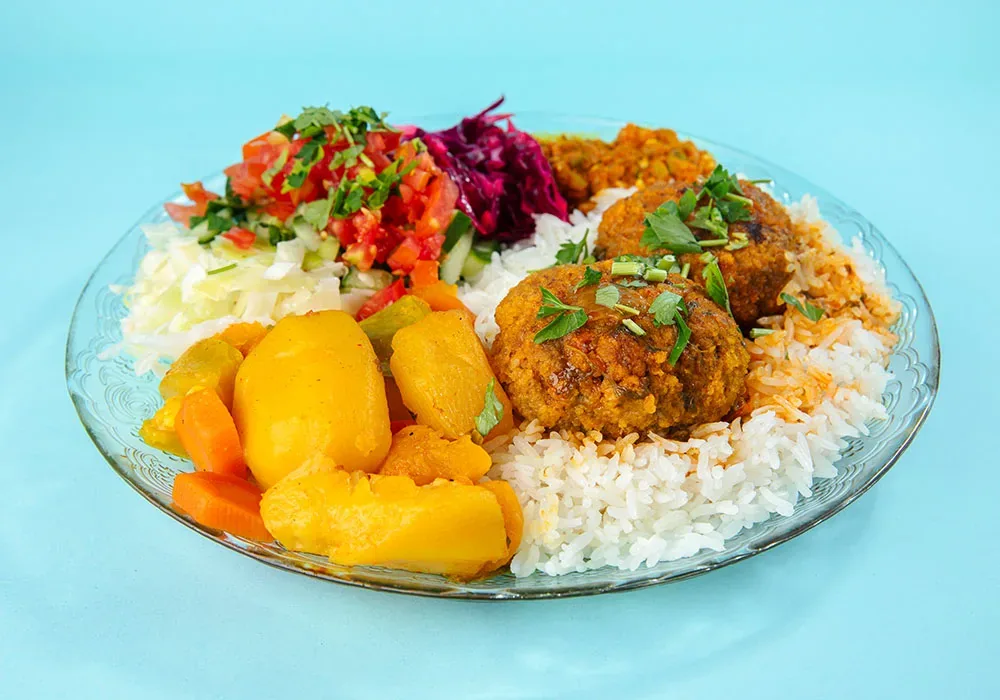
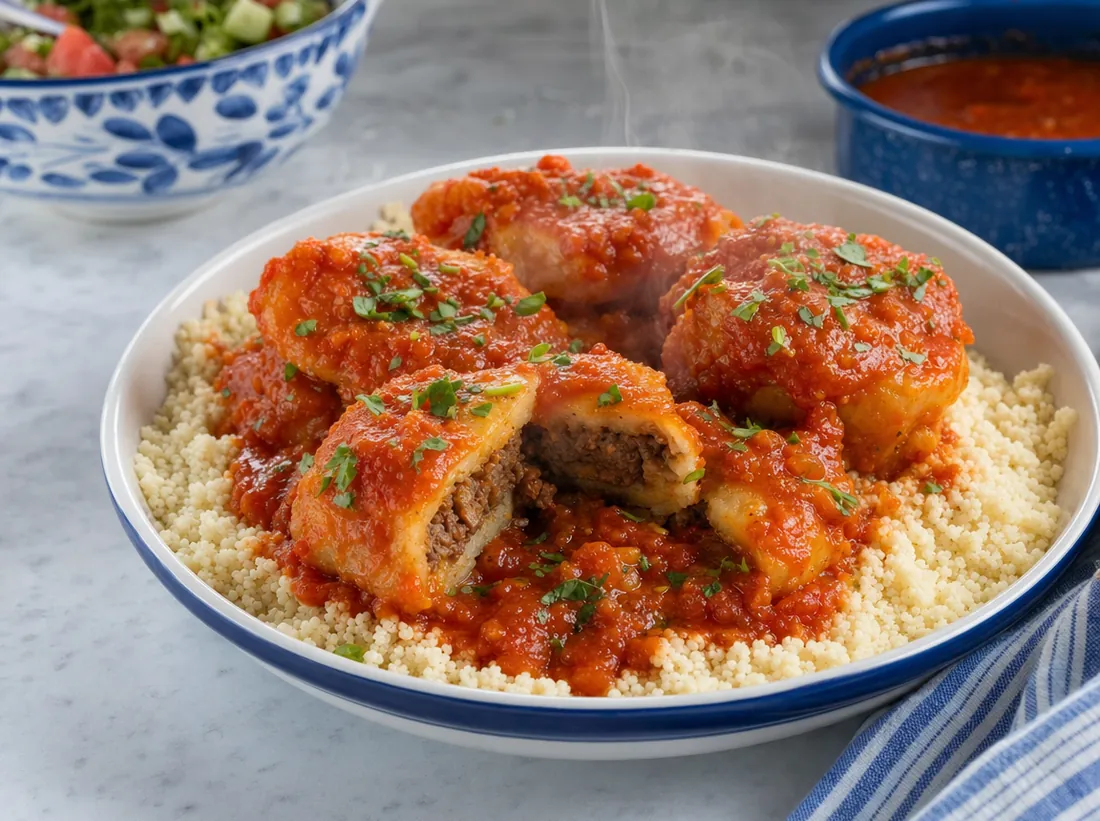
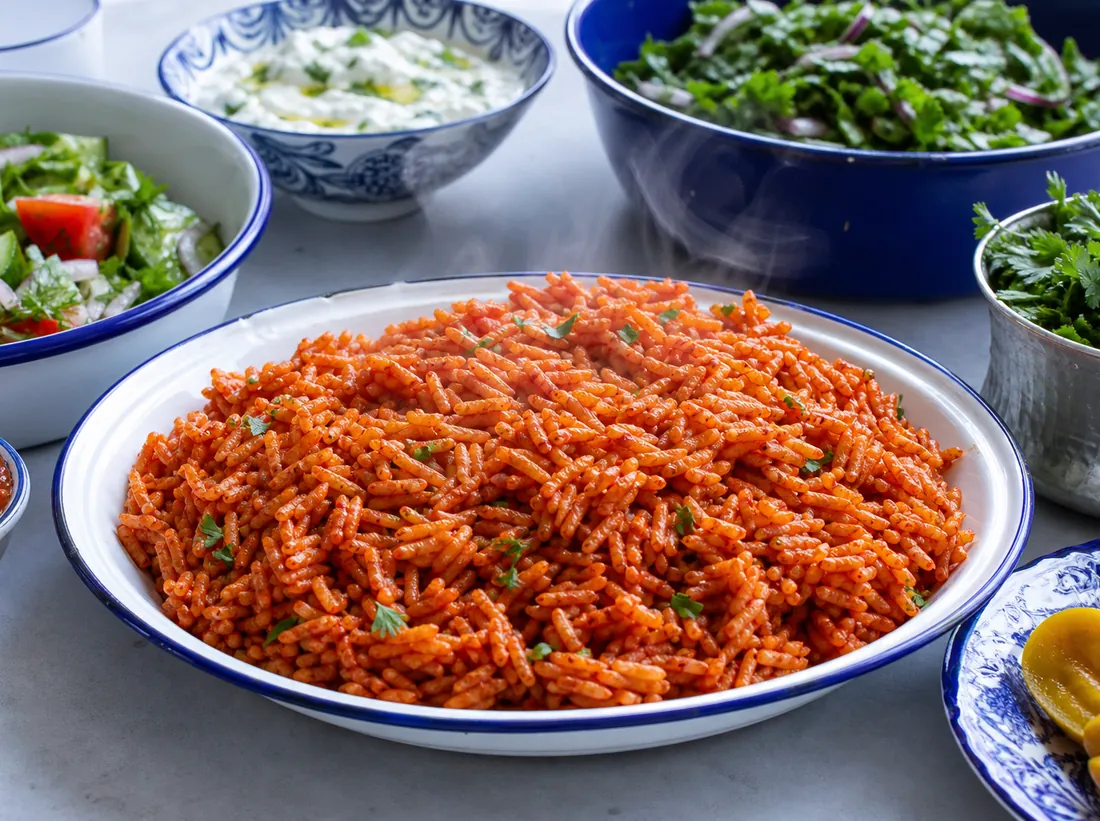
Rice was the staple food of the Jews of Iraq and Kurdistan, cooked at almost every meal: white rice with most stews, and rice cooked with tomatoes or tomato paste as a more festive, colourful version, next to chicken, meatballs in sauce or kubbeh soups. Libyan families give their red rice paprika and cumin too, and some add chickpeas.
In Israel red rice crossed every community and became a side of dining halls, weddings and Friday dinners. The same idea lives far away too: in Mexico rice is fried golden and cooked in a purée of tomato, onion and garlic, and in West Africa jollof cooks in a tomato and pepper sauce until it turns red orange. In all these places tomato does for rice what saffron does in Persia: it turns a side into a celebration.
What makes Red rice itself
Red rice is a lesson in rice science, because the tomato paste adds one more variable. The rice is rinsed to remove free starch, the paste is fried in oil until it turns brick red, and the ratio of rice to liquid is exact, because nothing gets drained at the end. After a short cook over low heat comes the rest, when the steam finishes the job. And whoever leaves the pot a few minutes longer on the heat gets a crisp crust on the bottom, the hikakeh of Iraqi Jews.