The story of Stuffed vegetables
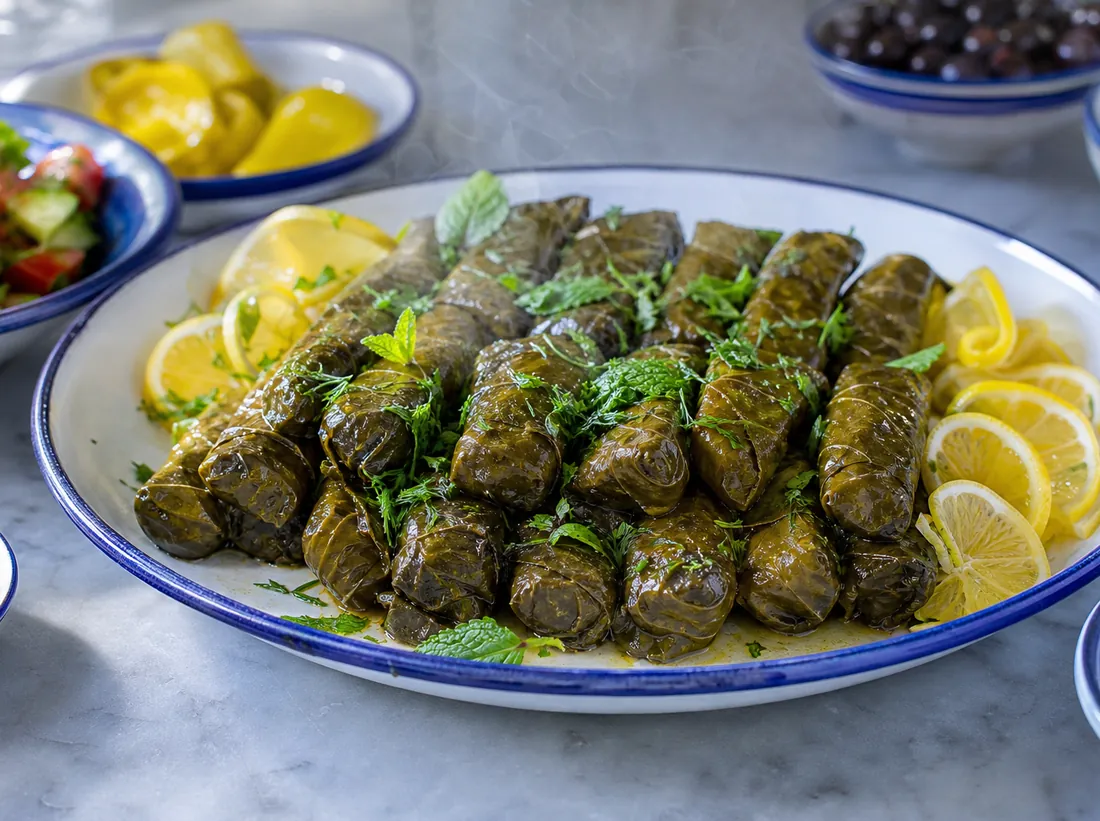
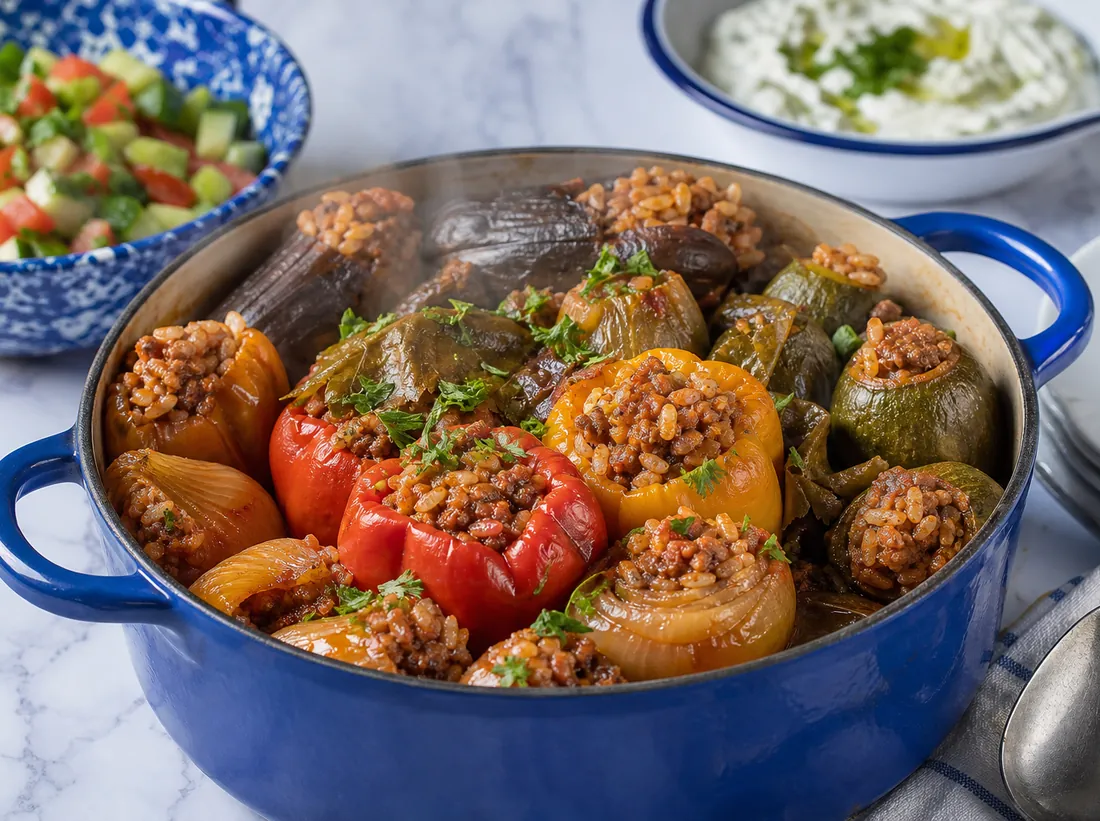
Stuffing a vegetable is an old and simple idea: take a hollow vegetable, fill it with a little meat and a lot of rice, and feed a large family. Stuffed vegetables have been a pillar of Iraqi cooking since medieval Baghdad, and the Ottoman Empire spread dolma, from the Turkish word for filling, from the Balkans to the Gulf. Each community took the idea its own way: sweet and sour in Iraq, sour in Kurdistan, olive oil and herbs in Greece, tamarind and apricots in Aleppo.
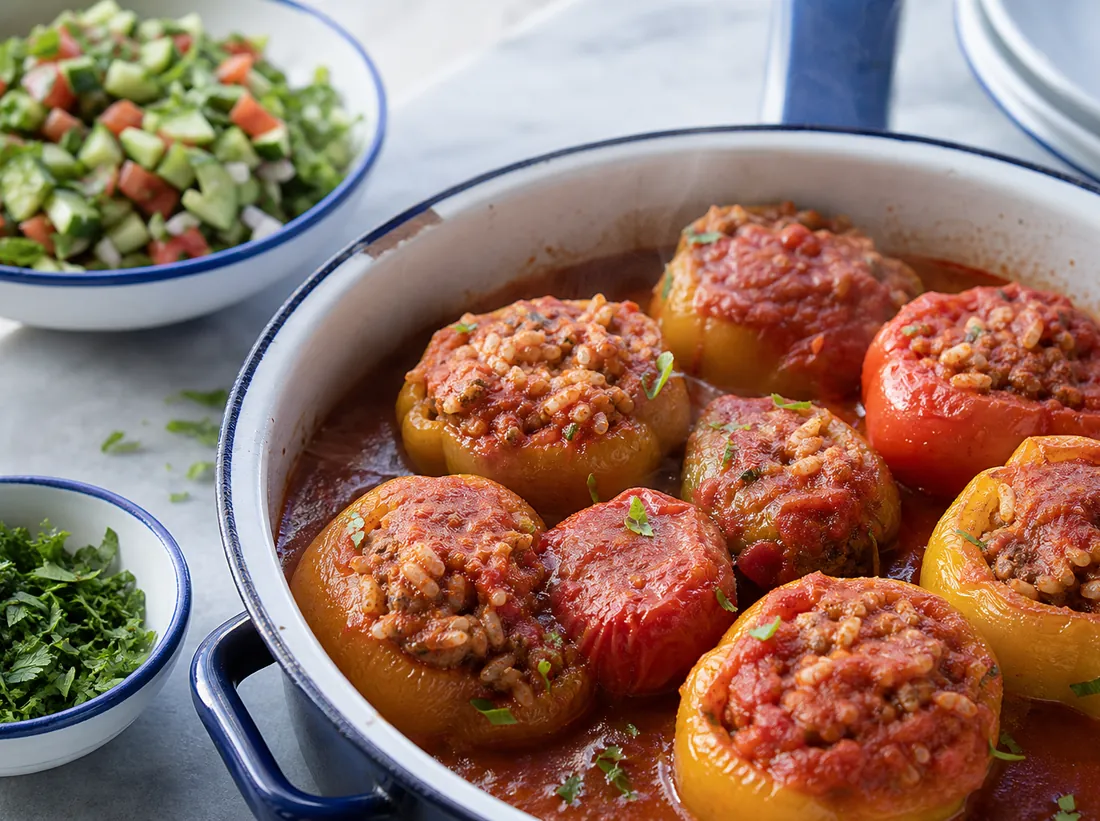
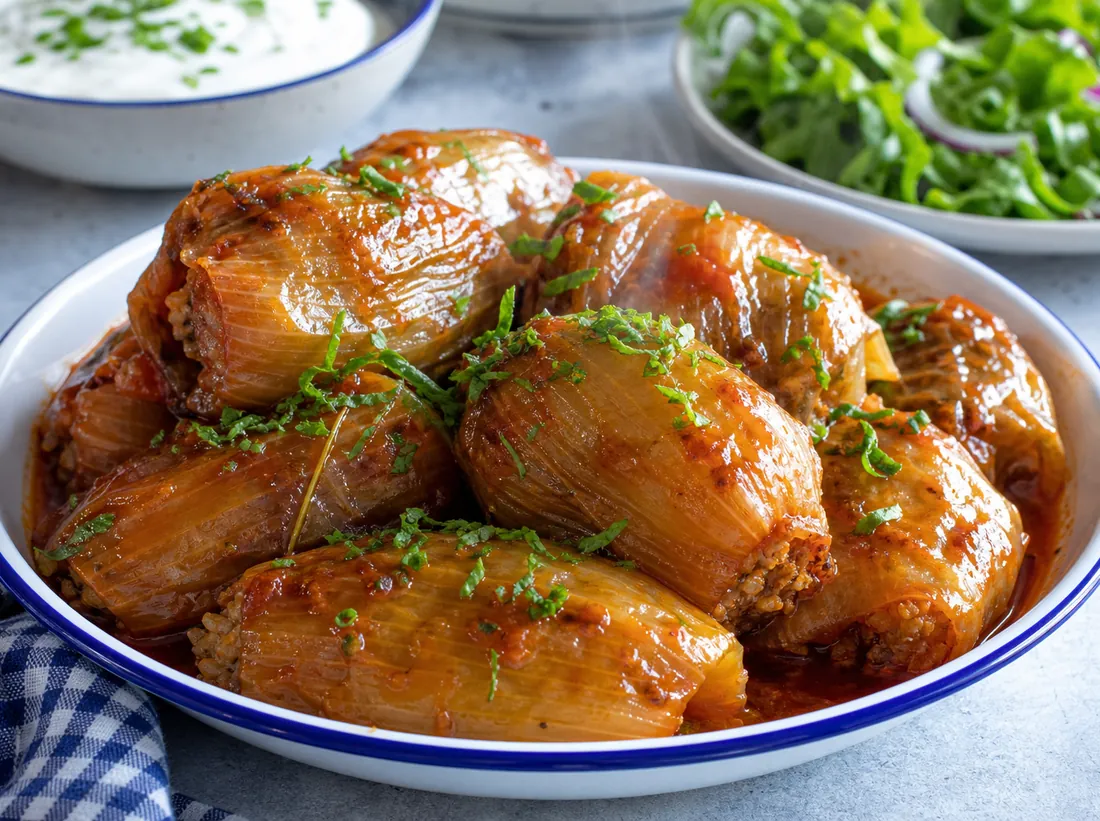
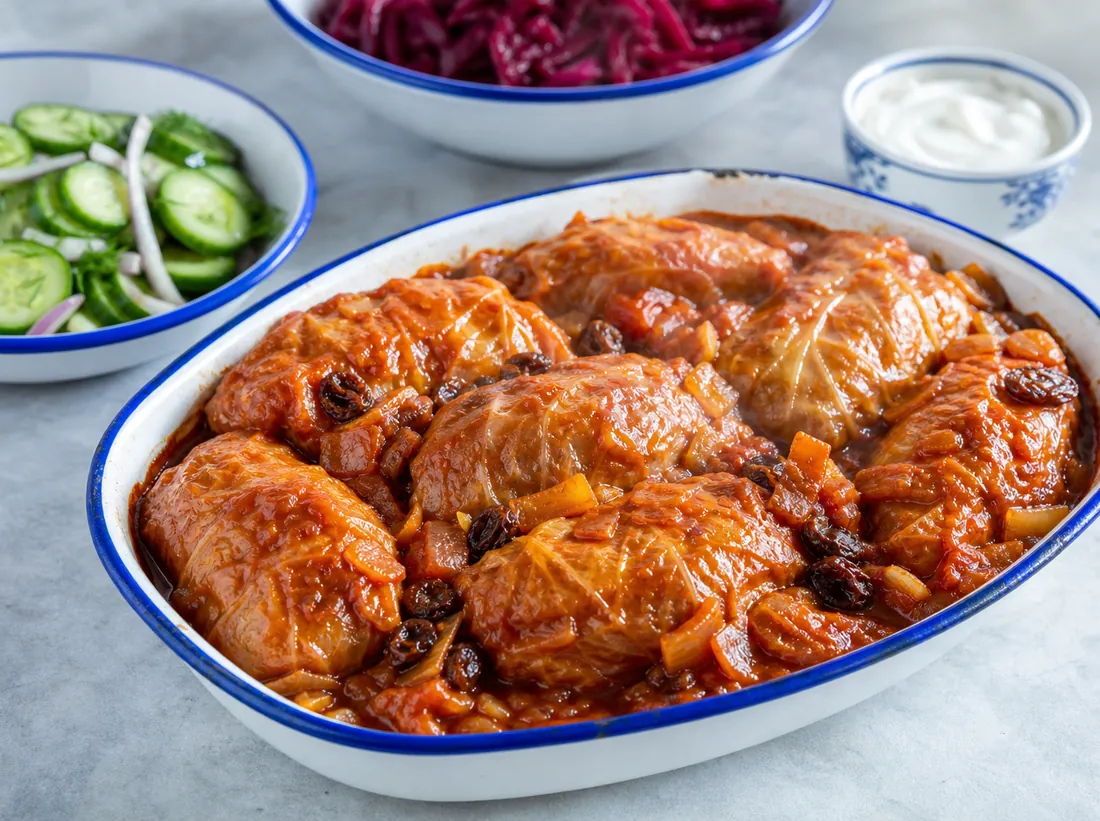
In Israel stuffed vegetables are a holiday dish, above all for Sukkot: stuffed food stands for plenty, and the harvest festival arrives while summer vegetables are still in the market. Ashkenazi families cook stuffed cabbage, families from Iraq, Kurdistan, Syria and Turkey stuff almost any vegetable, and in today's Israeli home a mixed pot of memulaim is close to a Friday institution. Kurdish Jews call stuffed leaves yaprach, Iraqi Jews call the pot dolma, and Syrian Jews mahshi.
What makes Stuffed vegetables itself
Good stuffed vegetables are a balance of three things: the vegetable, the filling and the sauce. The vegetable has to soften without falling apart, the filling needs room because the uncooked rice swells inside it, and the sauce has to cook the rice and flavour it. In the Iraqi version the sauce is sweet and sour, lemon and sugar with tomato paste, and at the end of cooking it reduces and caramelises the bottom of the onions, the part everyone fights over.