The story of Stuffed peppers
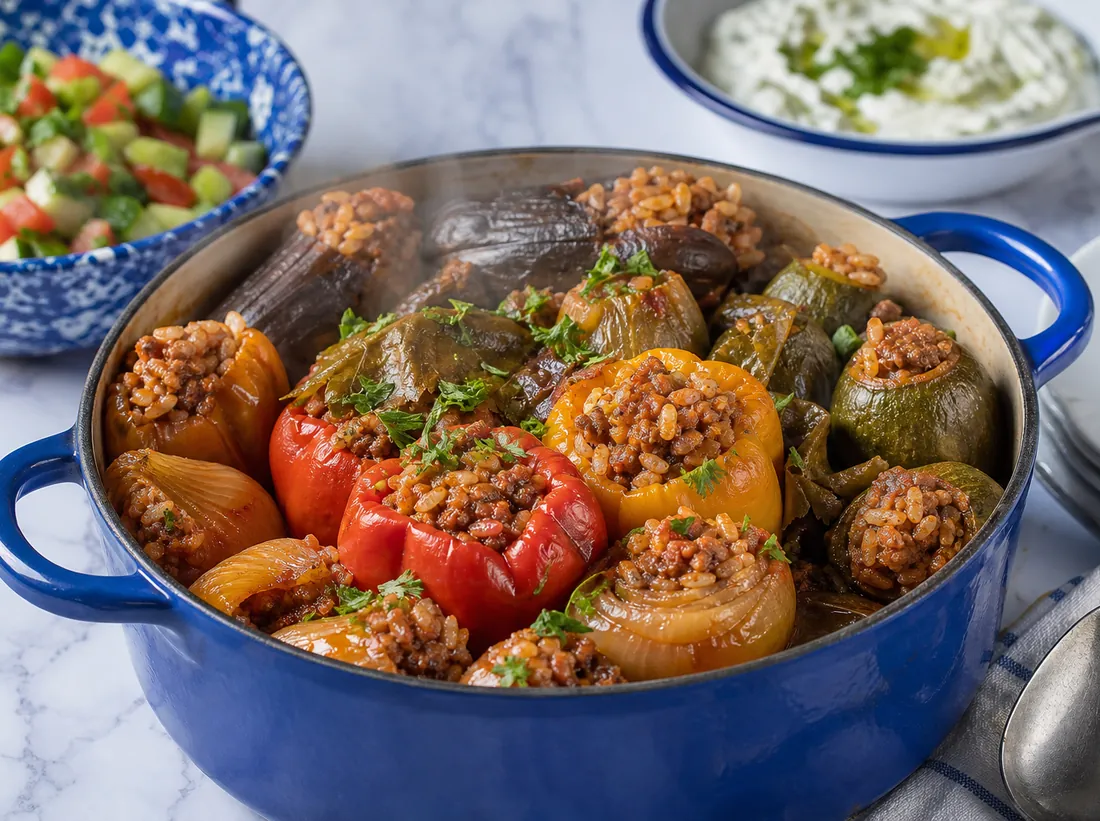
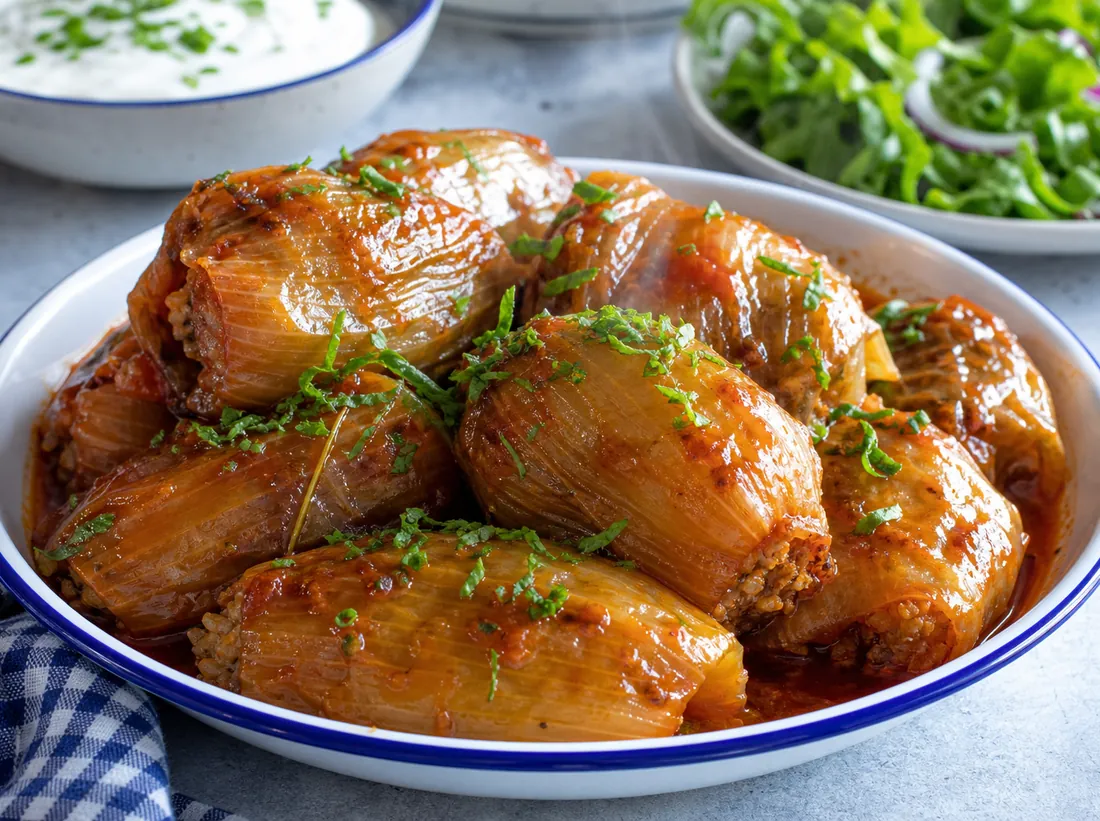
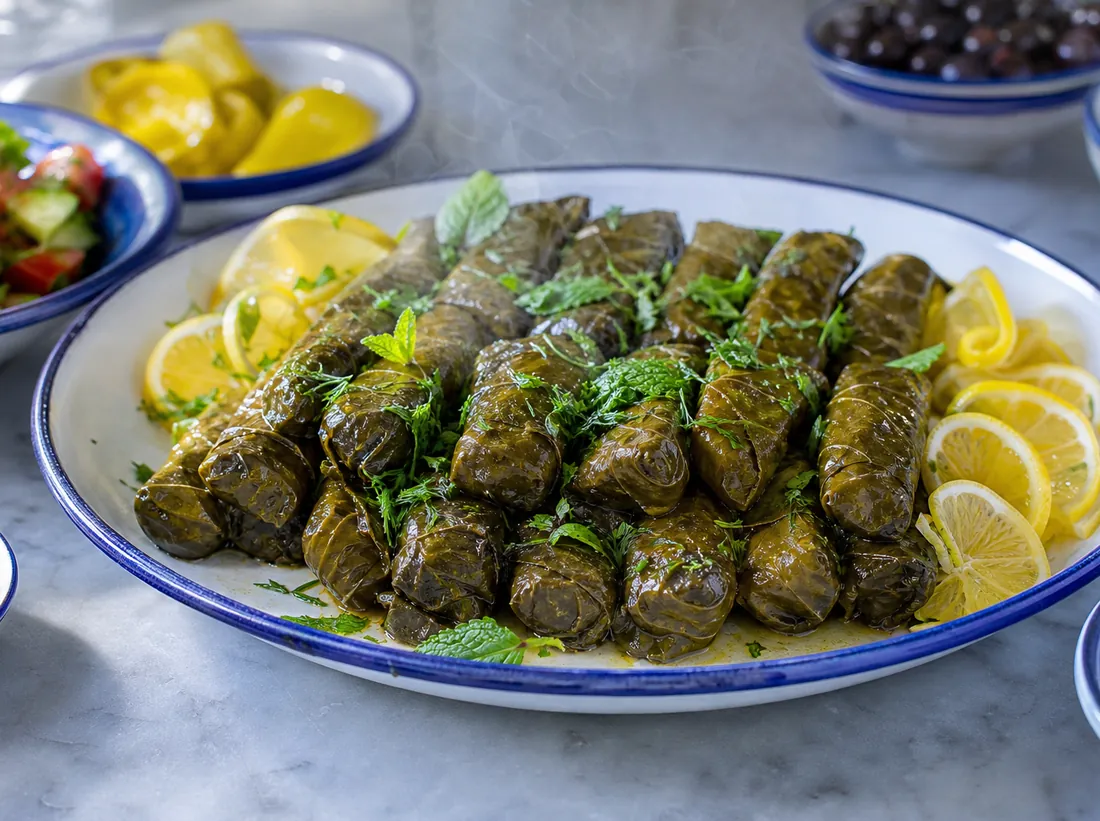
People in the Middle East and the Balkans have been stuffing vegetables for centuries. The Turkish word dolma, stuffed, travelled with Ottoman cooking from Istanbul to the Balkans, Syria and Iraq, and everywhere cooks filled what grew in the field: aubergine, courgette, onion and tomato. The pepper reached the Old World from the Americas, and only after it took root in Hungary, Romania and the Balkans did it become one of the best loved vegetables for stuffing.
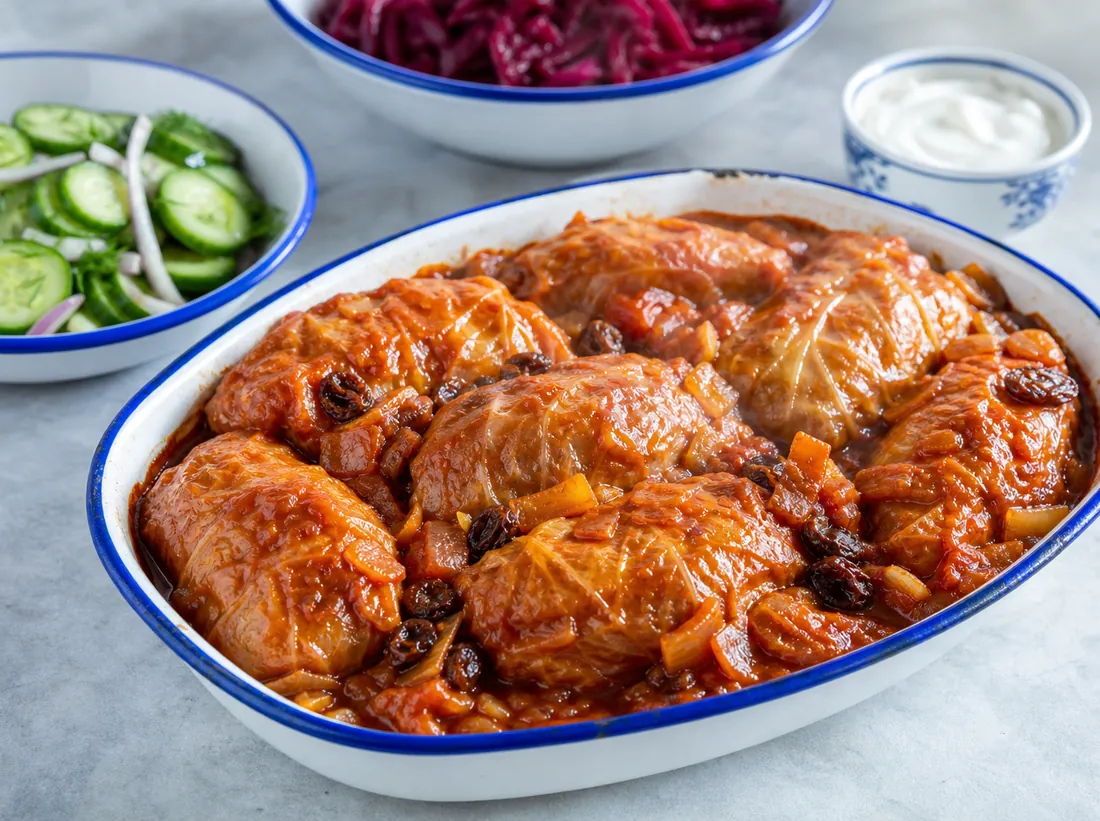
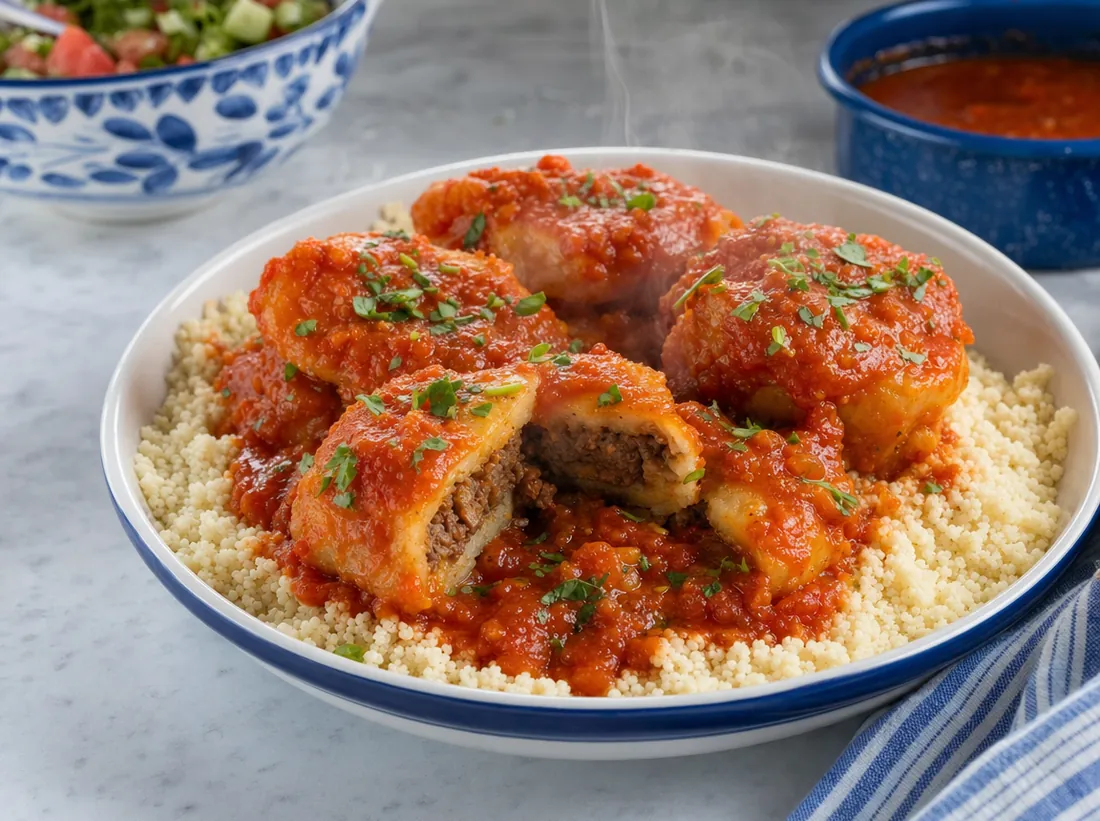
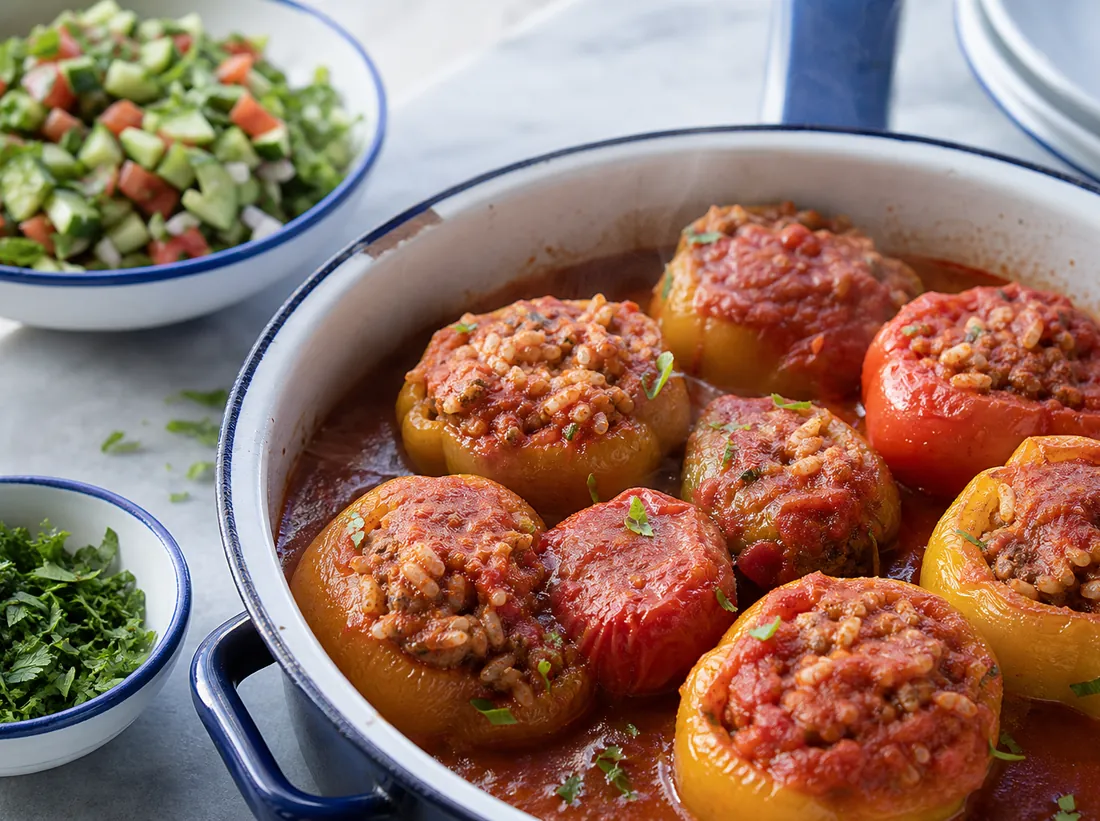
In Israel all the versions met in one pot. Immigrants from Romania and Hungary brought peppers in a sweetish tomato sauce, families from Iraq and Syria brought their sweet and sour stuffed vegetables, and Moroccan cooks brought a spiced, fiery filling. What came out of that meeting is the Israeli stuffed pepper: beef and rice, parsley, a little baharat, and a tomato sauce lifted with lemon and a pinch of sugar.
What makes Stuffed peppers itself
The secret of a good stuffed pepper is that the rice goes in raw and cooks inside the pepper, in the juices of the meat, the tomato and the sauce that seeps in. That is why you fill only three quarters of the way, because the rice swells, and cook slowly over low heat so the skin softens before the filling dries out. Red, yellow and orange peppers are sweeter and hold their shape well, while green peppers bring a slight bitterness that some people seek out.