Tunisian and Libyan Jewish food: 28 dishes, hraime to mafroum
Tunisian and Tripolitan (Libyan-Jewish) cuisine: 28 dishes, from Hraime to Tabkha with beet (Pkaila), 15 ingredients and spices, 7 dates in the holiday calendar, and the community’s story in Israel. Every dish that has a page here is linked, with every ingredient in grams.
The dishes of Tunisian and Tripolitan (Libyan-Jewish) cuisine
By when they are eaten: Shabbat, holidays, everyday and the street.
Tunisian and Tripolitan (Libyan-Jewish) cuisine, for shabbat
5 dishes
- Hraime: Fish in a hot pepper and garlic sauce; the most famous Tripolitan dish; Rosh Hashanah and Friday night; served with couscous except at Passover
- Tabkha with beet (Pkaila): Stew of beet, chard, beans and meat; the Libyan version of hamin
- Mafroum: A flat meat patty coated in potato, in tomato sauce
- Osban: Stomach stuffed with offal and rice, with a touch of cinnamon
- Tunisian couscous: A national dish; cooked in 3 steaming stages, about 30 minutes each
Tunisian and Tripolitan (Libyan-Jewish) cuisine, for holidays
9 dishes
- Bazin: A mass of cooked barley dough served with meat and an egg; Shavuot, Rosh Hashanah and Sukkot; the mountain shape symbolises Sinai
- Libyan asida: Appears on the 'Good Life' channel
- Sfenz: Fried dough for holidays
- Bsisa: A mix of grains and dried fruit, eaten on the eve of Rosh Chodesh Nisan
- Mrozia: Passover
- Bulo: Sweet bread with dried fruit and almonds
- Tripolitan stuffed vegetables: Stuffed onions and courgettes
- Bsissa (Tunisian): Roasted barley or wheat flour with almonds, dates and sugar; ritual use in Judaism
- Assida: Cooked dough with butter and honey
Tunisian and Tripolitan (Libyan-Jewish) cuisine, everyday
11 dishes
- Ajja: Pancake-like omelette; our page: herb ajja
- Sirwa: Pasta or rice in a red sauce; Italian influence
- Maqta'a: Soup
- Brik: Thin dough with an egg (often tuna and potato), fried; among Tunisian Jews, eaten all year round
- Ojja: Eggs in tomatoes and hot pepper with merguez
- Tabikha bil-qara': Pumpkin, vegetable and fava bean stew without meat
- Macaroni with legumes: Pasta with legumes and fried hot peppers
- Tunisian tajine: A baked egg, cheese and vegetable dish similar to a frittata, not the Moroccan stew
- Stuffed peppers: Lamb or chicken with rice
- Torshi: Vegetables pickled in lemon
- Stuffed squid: Sousse and Monastir
Tunisian and Tripolitan (Libyan-Jewish) cuisine, street food
3 dishes
- Fricassé: Fried dough sandwich with tuna, egg, harissa and olives
- Lablabi: Chickpea soup over dry bread with garlic and cumin
- Merguez: Spicy lamb or beef sausage
This cuisine’s dishes in our kitchen
Each has a page with a photo, what is in it and every ingredient in grams.
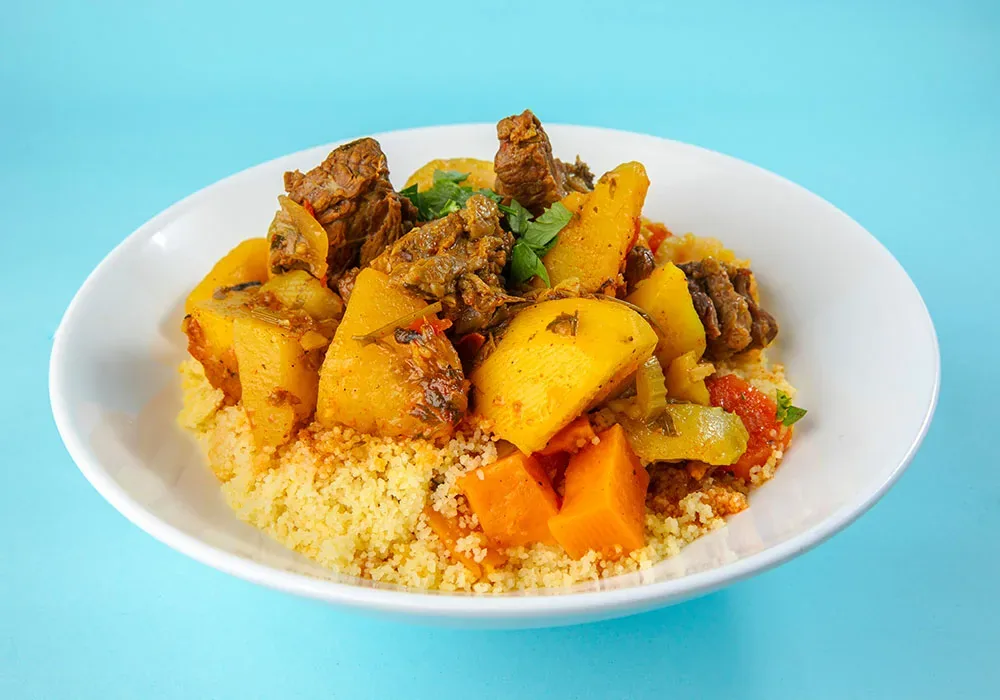
Couscous
Fluffy couscous with vegetables and the day’s stew from the pot.
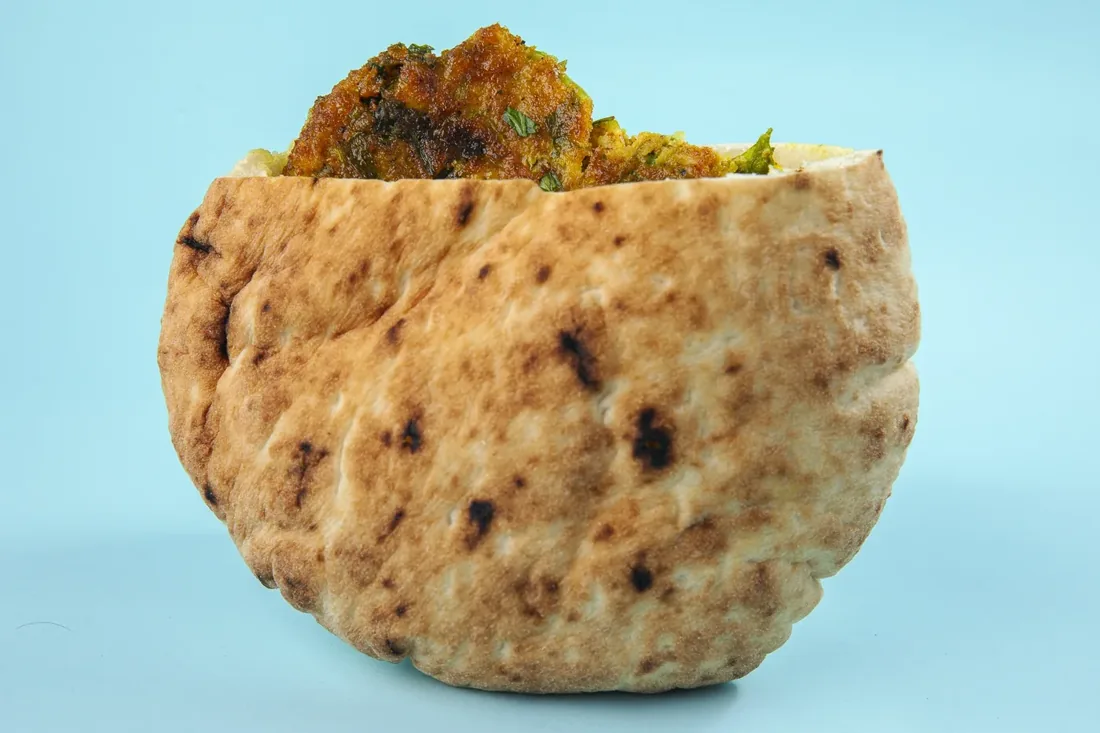
Aja Herb Omelette
A herb omelette with salads and sauces, in a pita or on a plate.
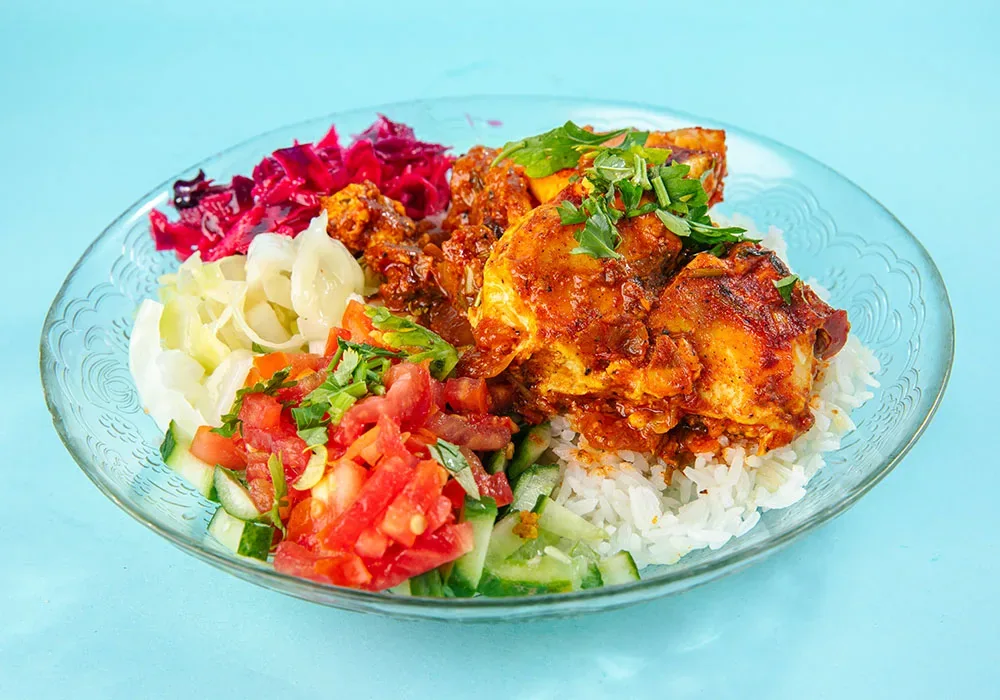
Shakshuka
Tomato sauce and eggs, in a pita or on a plate, with a choice of additions.
 Illustration
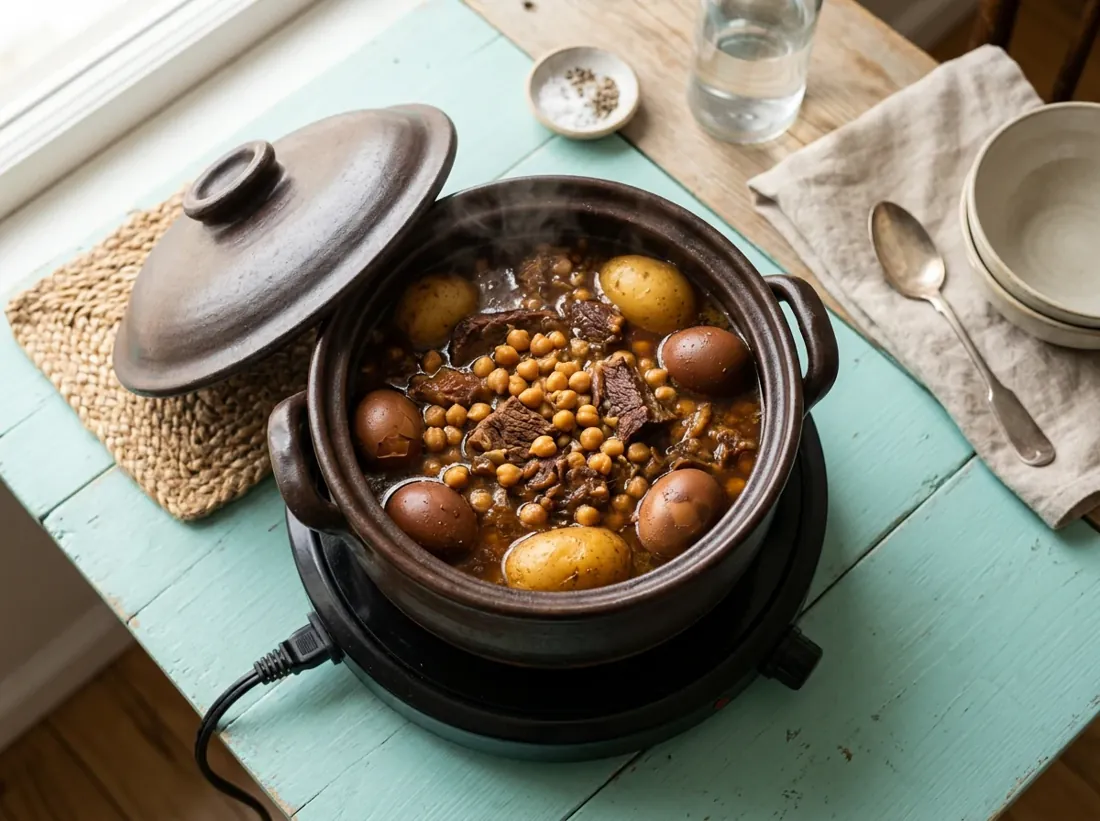
Hamin and cholent: one Shabbat pot, three communities
The Shabbat stew: legumes, potatoes and meat cooked slowly all night, until everything melts into one pot.
The holiday calendar of Tunisian and Tripolitan (Libyan-Jewish) cuisine
What goes on the table on each date.
| Date | Dishes | Note |
|---|---|---|
| Rosh Hashanah | Hraime, Bazin | Libya |
| Shavuot | Bazin | Libya: because of the mountain shape |
| Sukkot | Bazin, Sfenz | |
| Eve of Rosh Chodesh Nisan | Bsisa | Libya |
| Passover | Mrozia, Couscous (hraime without couscous) | Tunisian Passover foods from a primary source |
| Purim | Tripolitan sweets | |
| Lag BaOmer (Djerba) | Brik, Fricassé | Pilgrimage to El Ghriba |
Spice and ingredient glossary
The name in Hebrew, in the local language and in English, and what it is for.
| English | Local name | Hebrew | What it is |
|---|---|---|---|
| Harissa | هريسة | Harissa | Chilli paste, garlic, lemon, caraway and oil |
| Tabil | تابل | Tabil | Dried garlic, cayenne, caraway and coriander |
| Hrous | هروس | Hrous | Salted onion and chilli paste, Gabès and the north-east |
| Caraway | كراوية | Caraway | |
| Cumin | كمون | Cumin | |
| Coriander | كزبرة | Coriander | |
| Saffron | زعفران | Saffron | |
| Sun-dried tomatoes in olive oil | Sun-dried tomatoes in olive oil | Home preserves | |
| Lalik | Lalik | A harissa-like sauce | |
| Hot pepper | فلفل حار | Hot pepper | Hraime |
| Barley | شعير | Barley | Bazin and bsisa |
| Beet and chard | سلق | Beet and chard | Tabkha |
| Dates | تمر | Dates | |
| Couscous (semolina) | كسكسي | Couscous (semolina) | |
| Eggs | بيض | Eggs | Brik, ojja, ajja |
Techniques and vessels
How it is cooked, and in what.
Couscoussier
Double pot for steaming semolina in stages, mixing with a fork
Three-stage couscous steaming
About 30 minutes per stage + 20 to 30 minutes for the third (Maariv)
Deep frying
Brik, fricassé, bomboloni
Clay pot
Lamb stews
Baked tajine
Egg and cheese pie
Overnight tabkha
Libyan hamin
Boiling the bazin dough
Barley flour boiled and pressed into a ball
Preserving tomatoes and peppers
Drying and preserving in oil
Regions and variants
The same dish, another city, another taste.
| Region | What is special |
|---|---|
| Tripoli | Western community, Italian influence (macaroni) |
| Benghazi | Spoken Arabic and other spices according to Maariv |
| Djerba | Brik shared by Jews and Muslims |
| Bizerte | Lablabi in a baguette |
| Sousse and Monastir | Stuffed squid |
| Gabès and the north-east | Hrous instead of harissa |
Tunisian and Tripolitan (Libyan-Jewish) cuisine in Israel
How they came
Libya: 1948-1953 about 30,000 (1949 the peak, 14,352); Tunisia: after 1956, 1961 (Bizerte) and 1967; about 80,000 left after independence, some to Israel and some to France
Where they settled
Libya: the moshavim Porat, Alma, Ahisamakh, Hatzav and Zitan, the Or Yehuda transit camp, Netanya. Tunisia: Jerusalem, Haifa, Or Akiva, Netivot, Beersheba, Ofakim, Gilat
Markets and places
Netanya Market: Carmel's restaurant 'Food Treats' (Pinukei HaOchel), kosher Tripolitan cuisine. Nahalat Binyamin / Yehuda Halevi Street (Tel Aviv): Bechor's Tripolitan restaurant, 39 Yehuda Halevi St.
Tunisian and Tripolitan (Libyan-Jewish) cuisine in numbers
Immigration from Libya by year
Jews who left after independence
Jews in Djerba today
Couscous on the UNESCO list (Tunisia and three other countries)
Neighbouring cuisines
The same pots, other spices.
Iraqi (Iraqi-Jewish) cuisine
19 dishes, a spice glossary, a holiday calendar and the story in Israel.
To the pageMoroccan (Moroccan-Jewish) cuisine
22 dishes, a spice glossary, a holiday calendar and the story in Israel.
To the pageYemenite cuisine
21 dishes, a spice glossary, a holiday calendar and the story in Israel.
To the pageKurdish (Kurdish-Jewish) cuisine
21 dishes, a spice glossary, a holiday calendar and the story in Israel.
To the pagePersian (Iranian-Jewish) cuisine
21 dishes, a spice glossary, a holiday calendar and the story in Israel.
To the pageSyrian (Aleppo and Damascus Jewish) and Lebanese cuisine
25 dishes, a spice glossary, a holiday calendar and the story in Israel.
To the pageFrequently asked questions
What is hraime?
Fish in a hot sauce of pepper, garlic and caraway. In Tripolitan cuisine it is the most famous dish, eaten at Rosh Hashanah and on Friday night with couscous, except at Passover.
What is bazin and when is it eaten?
A mass of cooked barley dough served with meat and an egg. It is eaten at Shavuot, Rosh Hashanah and Sukkot, and the mountain shape symbolises Mount Sinai.
What is the difference between Moroccan and Tripolitan hraime?
The Moroccan version differs from the Libyan. The Libyan is usually hotter.
What is beet tabkha?
A Shabbat stew of beet, chard, beans and meat, the Libyan version of hamin.
What is mafroum?
A meat patty coated in potato in tomato sauce, one of the best-loved dishes in Tripolitan cuisine.
What is brik?
Thin dough with an egg, sometimes tuna and potatoes, deep-fried. Tunisian Jews make it all year round, and Muslims mainly on Ramadan nights.
What is harissa?
A chilli paste with garlic, lemon, caraway and oil, the basic sauce of Tunisian cuisine.
What is fricassé?
A fried dough sandwich with tuna, egg, harissa and olives.
What is ojja?
Eggs cooked in a hot tomato sauce with merguez, similar to shakshuka.
Why was no meat eaten on Tuesdays in Tunisia?
According to Maariv, the women were busy with the laundry and there was no time for long cooking, so they made a vegetarian meal.
A meal from this cuisine, for a team or an event
How many people, when and what they like. We come back with a proposal.