The story of Wiener schnitzel
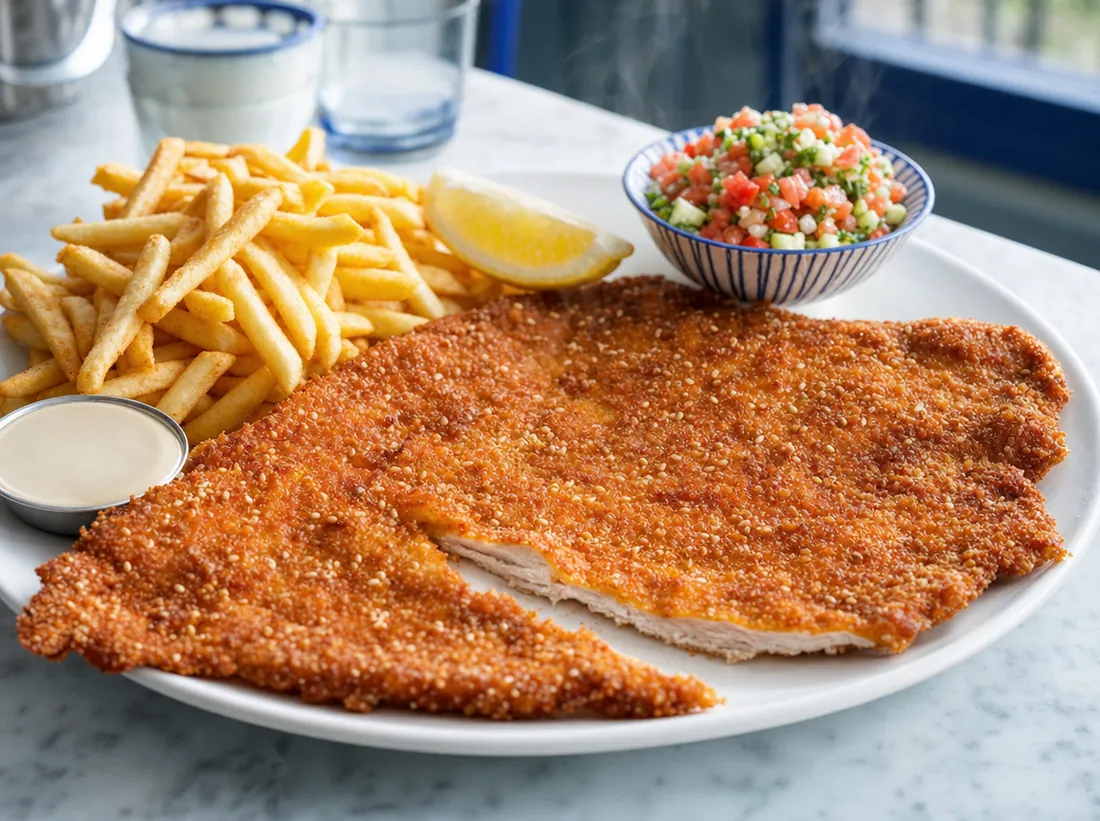
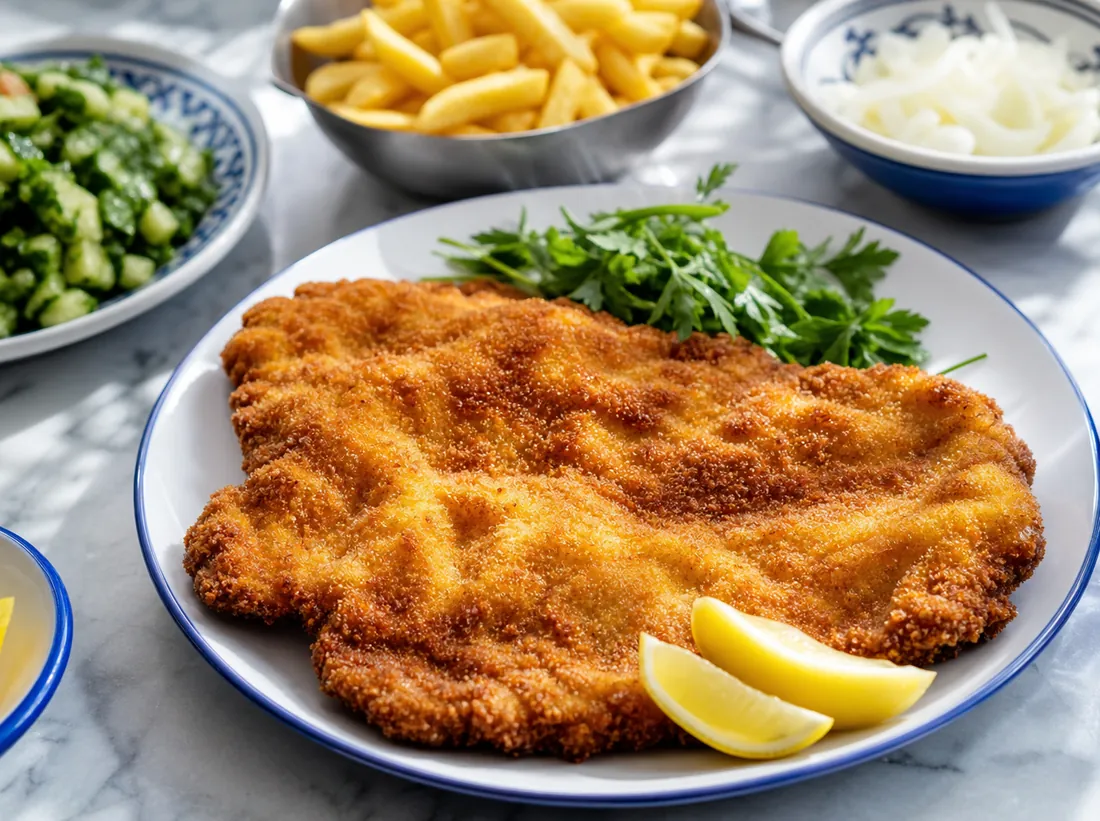
Wiener schnitzel is the emblem of Viennese cooking. Pounded, breaded and fried slices of meat appear in German language cookbooks from early on, and the name Wiener Schnitzel is documented in the 19th century. In Austria and Germany the name Wiener Schnitzel on its own is reserved for veal, and a schnitzel of any other meat has to say so in its name, such as Wiener schnitzel of pork or schnitzel Viennese style.
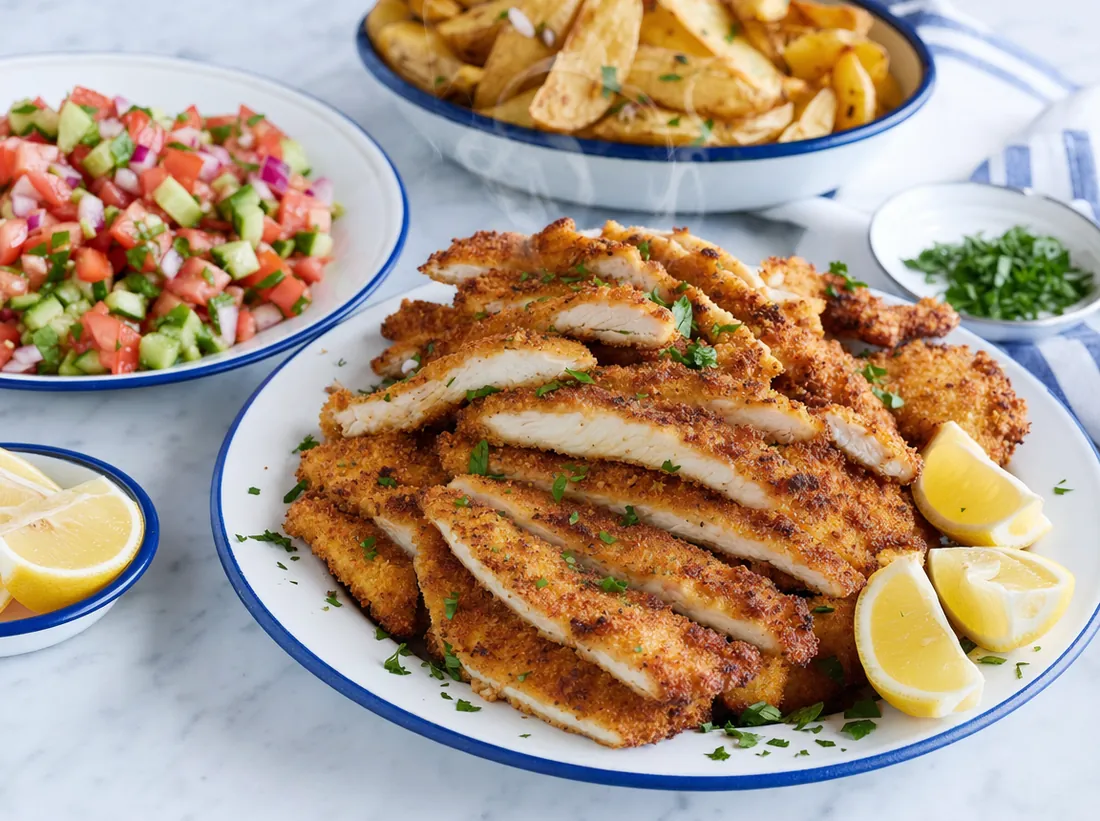
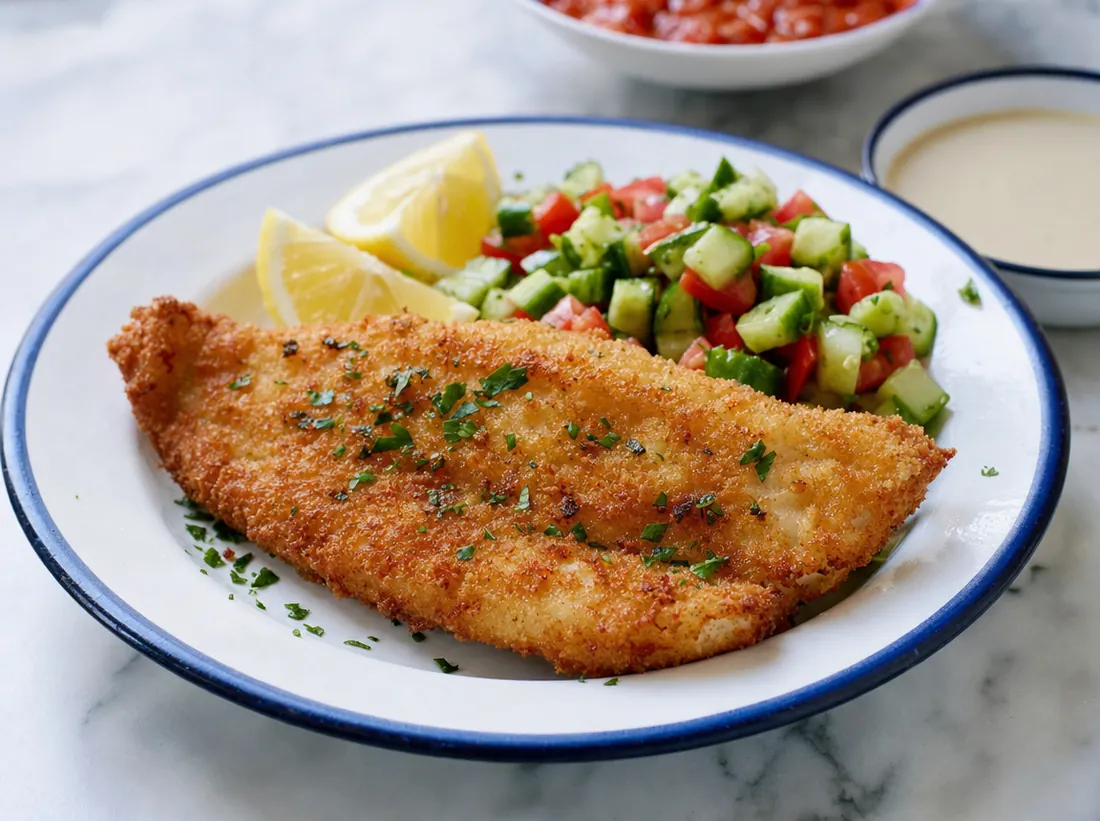
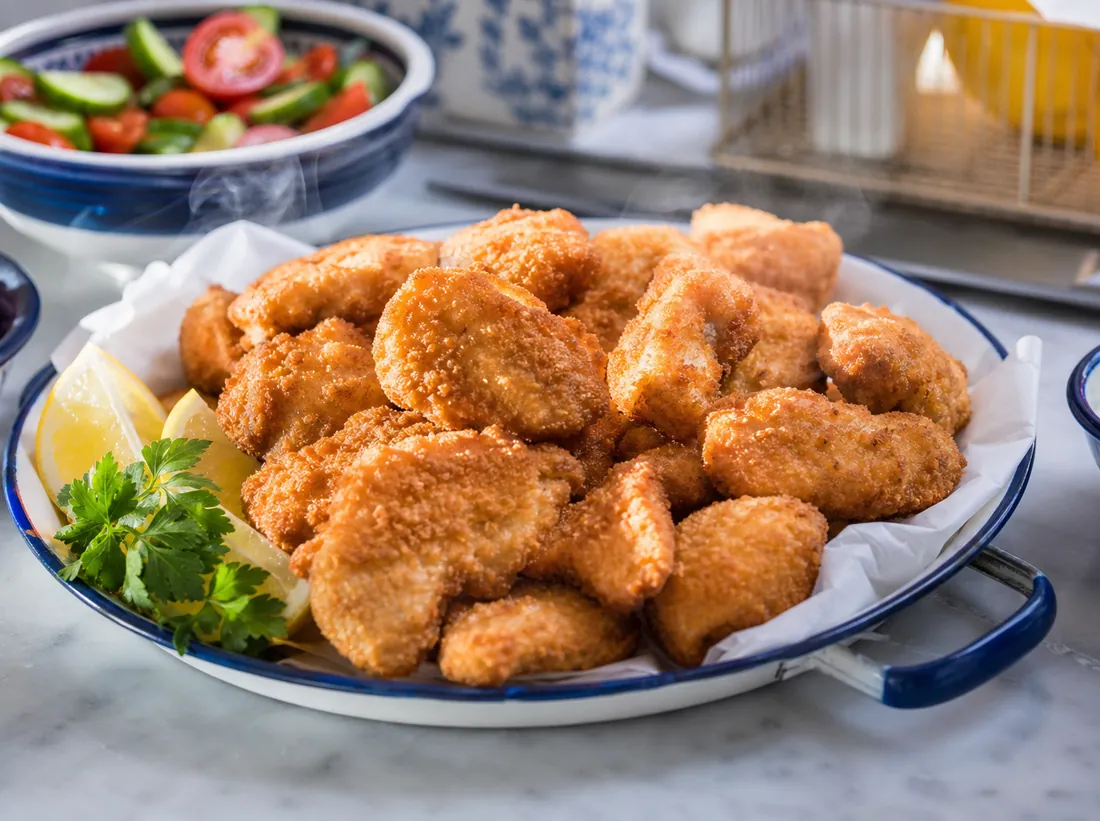
A popular story says Field Marshal Radetzky brought the recipe from Milan to Vienna in the 19th century. Researchers have found no record of it, and the story appeared in print only long after his death. What is clear is that the cotoletta of Milan is the closest relative, and the two cities still argue over who came first. Jews from Vienna and Central Europe brought the dish to the Land of Israel, where the shortage of veal turned it into chicken schnitzel. Kosher butchers still sell veal sliced for schnitzel today.
What makes Wiener schnitzel itself
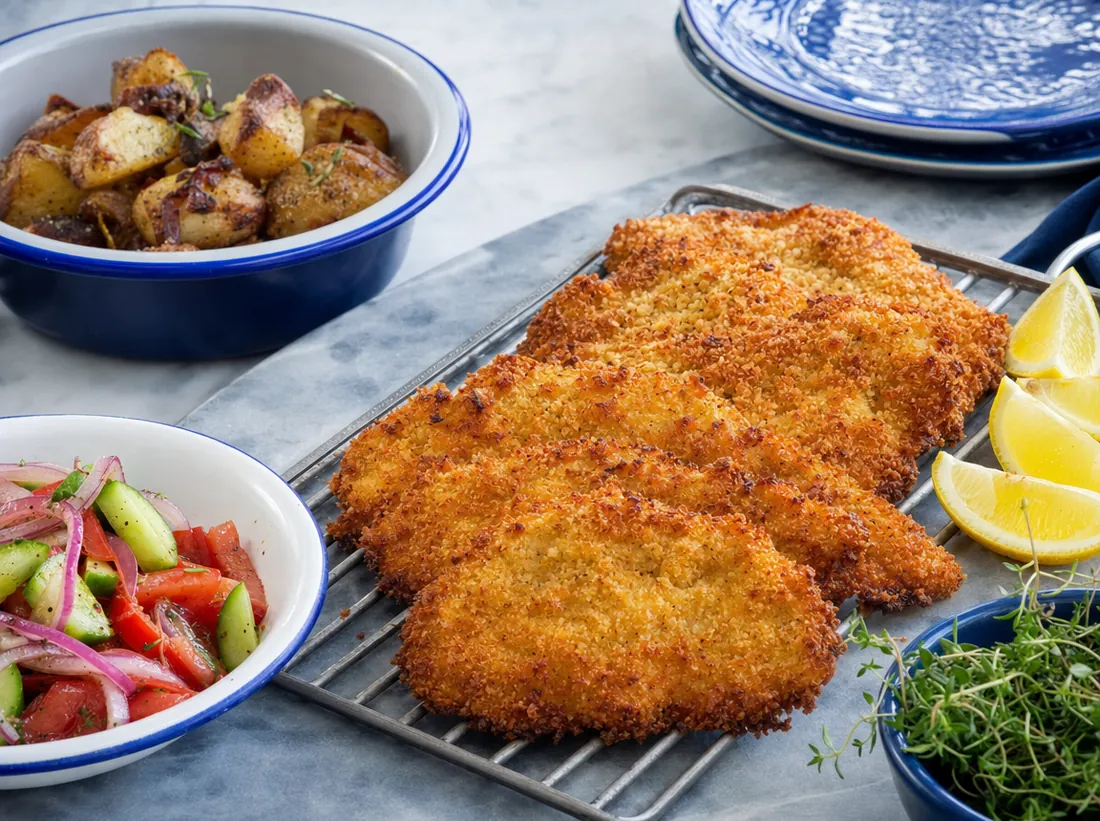
In Vienna the schnitzel has fixed rules. The meat is veal, sliced across the grain and pounded to about 4 mm, until it is almost as large as the plate. The coating is not pressed onto the meat: the slice is laid in the crumbs, turned and shaken. It is fried straight after coating, one at a time, in plenty of fat, while the pan is rocked all the time so the oil washes over the top. That is how the coating puffs and lifts away from the meat in waves. It is served at once, with a slice of lemon, potato salad, cucumber salad and lingonberry jam. Viennese kitchens fry in clarified butter or lard; a kosher kitchen fries in oil.