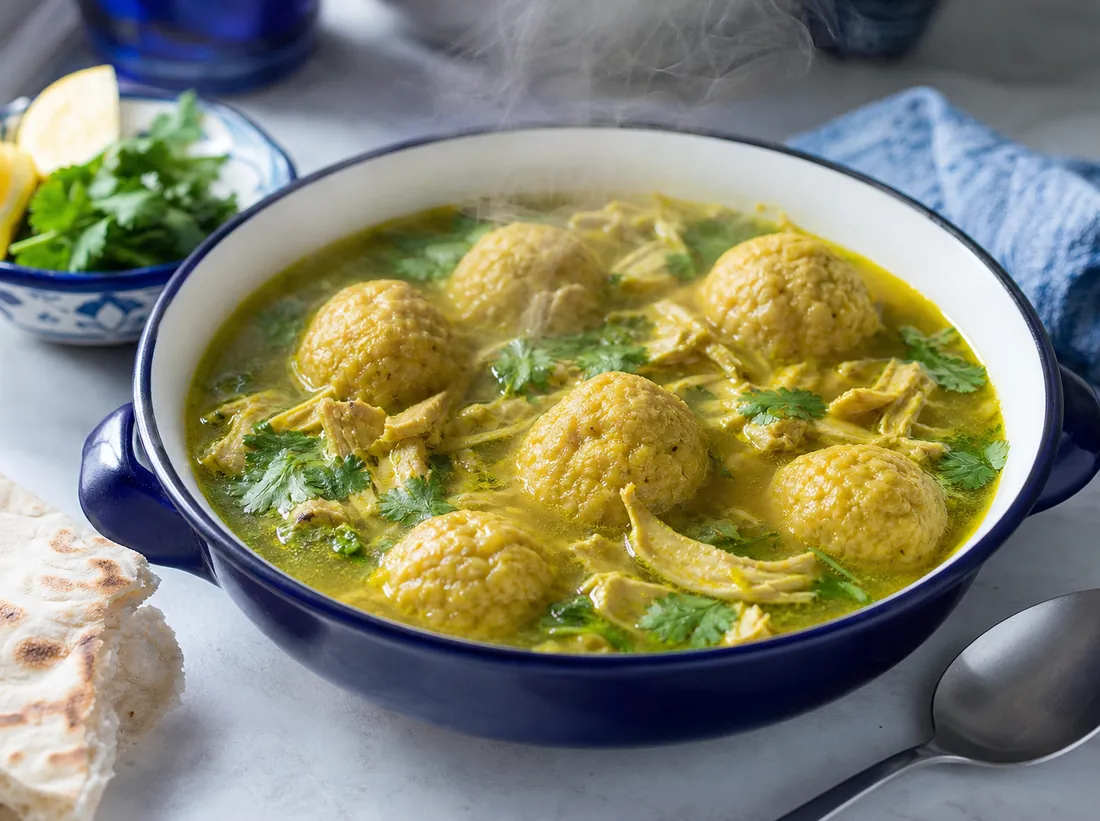
The story of Gondi
Gondi is one of the few dishes thought of as belonging to the Jews of Iran rather than to Persian cooking at large. It is often credited to the Jewish community of Tehran, but families from Isfahan, Khorasan and other cities each make it their own way, and the recipes pass from mother to daughter rather than through books. Meat was expensive, so it was kept for Shabbat, and gondi came to the table on Friday night and on holidays.
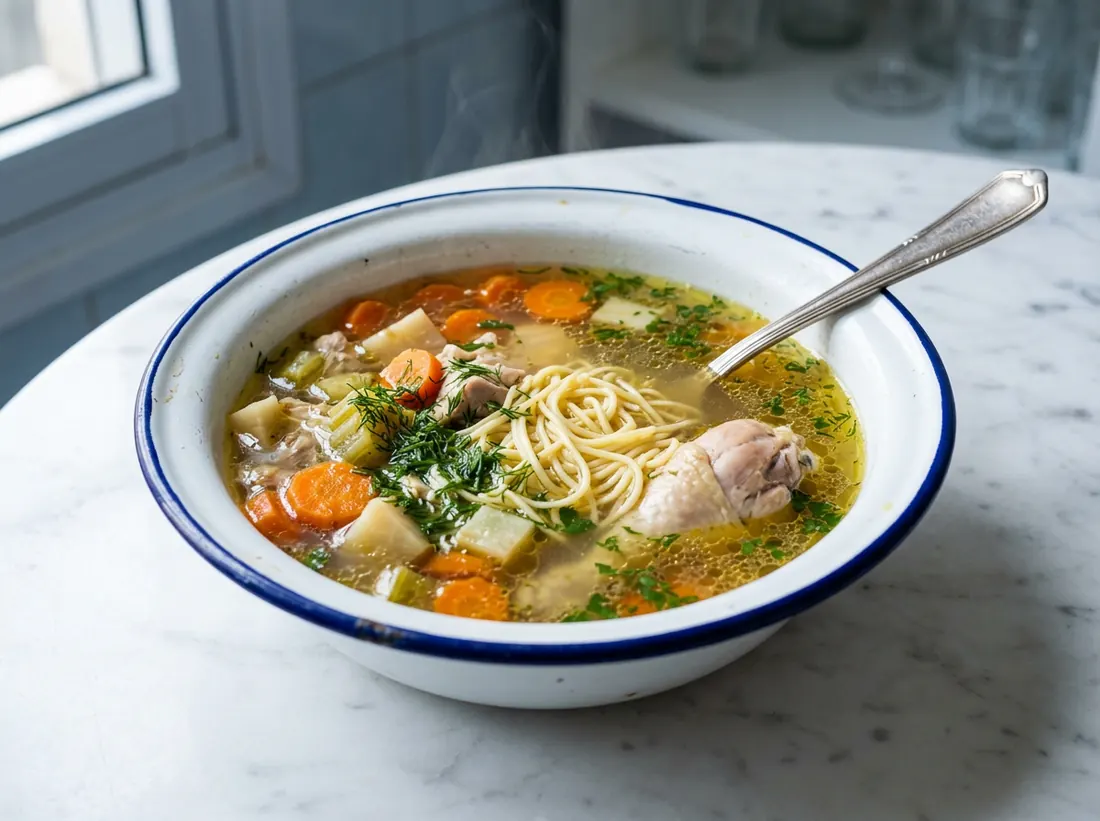
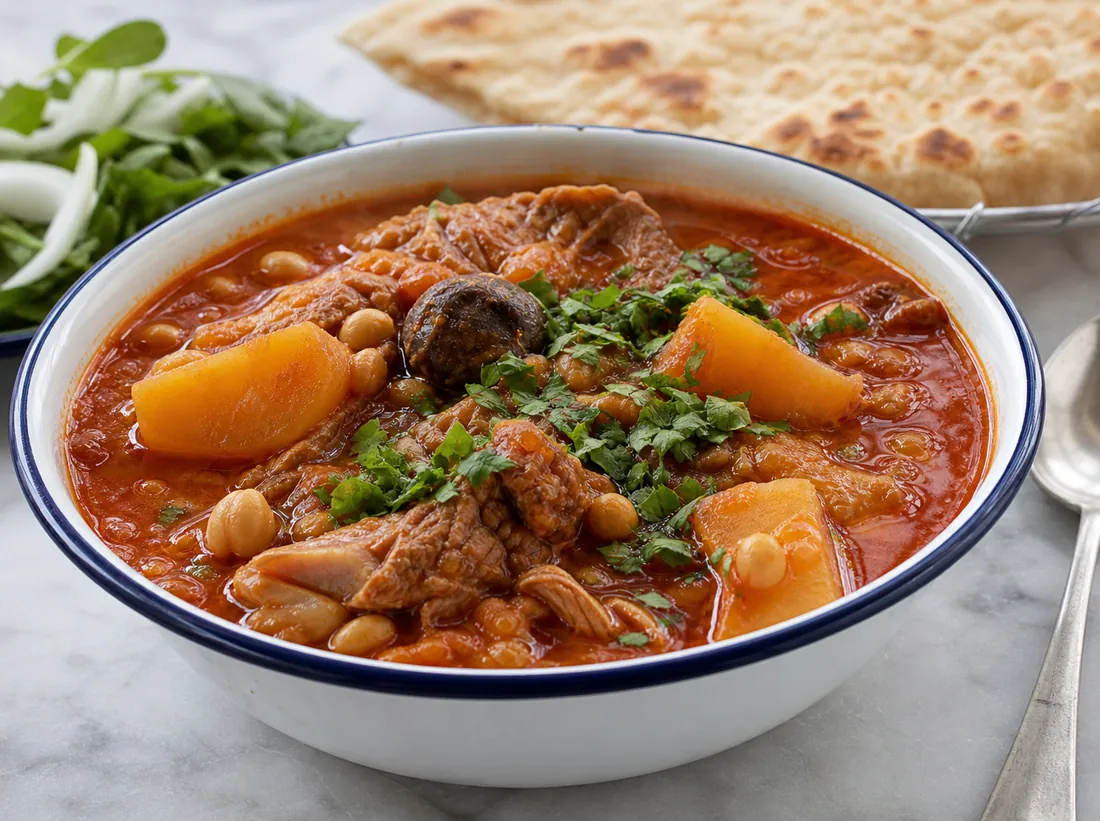
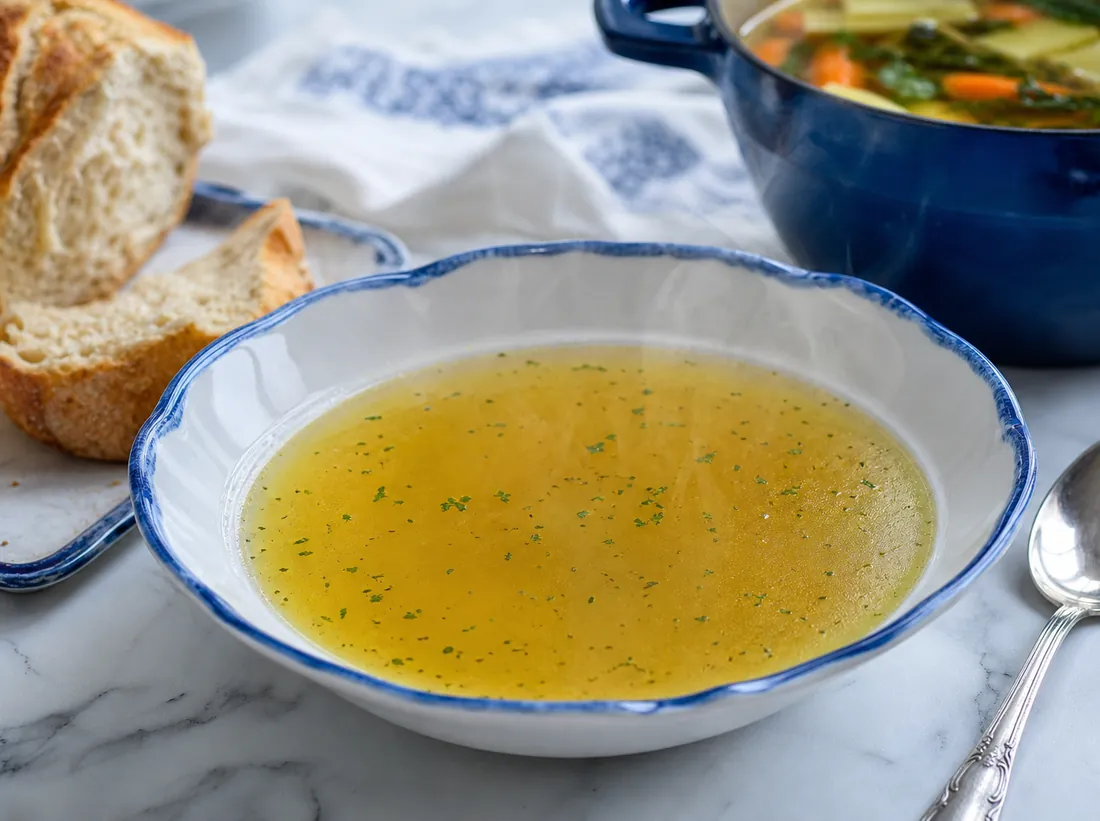
In Israel, gondi arrived with immigrants from Iran and stayed a home dish. The clear soup with its dumplings and chickpeas is served in a deep plate, with white rice, a plate of fresh herbs such as mint, basil and tarragon, radishes and flatbread. Some families serve the dumplings as a starter on their own, with a little of the soup spooned over so they stay moist.
What makes Gondi itself
What makes gondi itself is the roasted chickpea flour. Roasting gives it a nutty smell and removes the green, raw taste of chickpeas, and the flour soaks up the chicken juices and holds the ball together with no egg and no breadcrumbs. Cardamom brings a sweet, sharp scent and turmeric turns the soup golden. The result is a soft, light dumpling, gentler than a meatball, that cuts with a spoon.