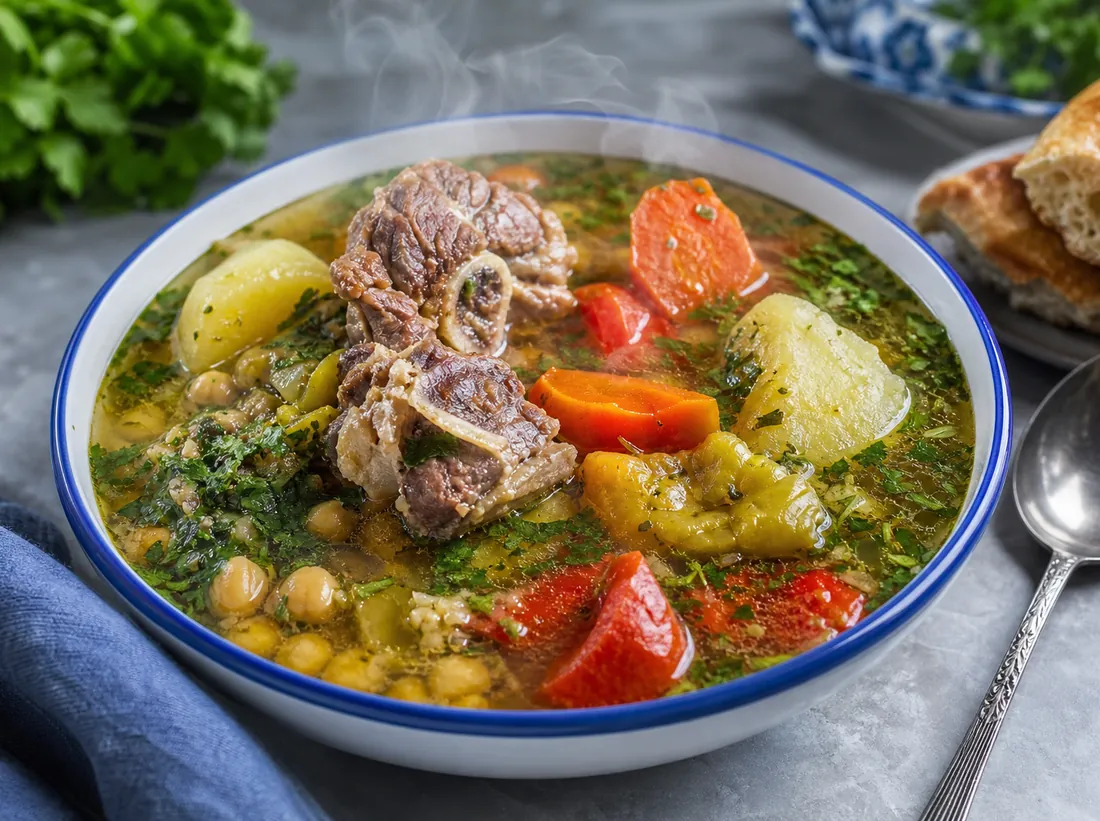
The story of Shurpa
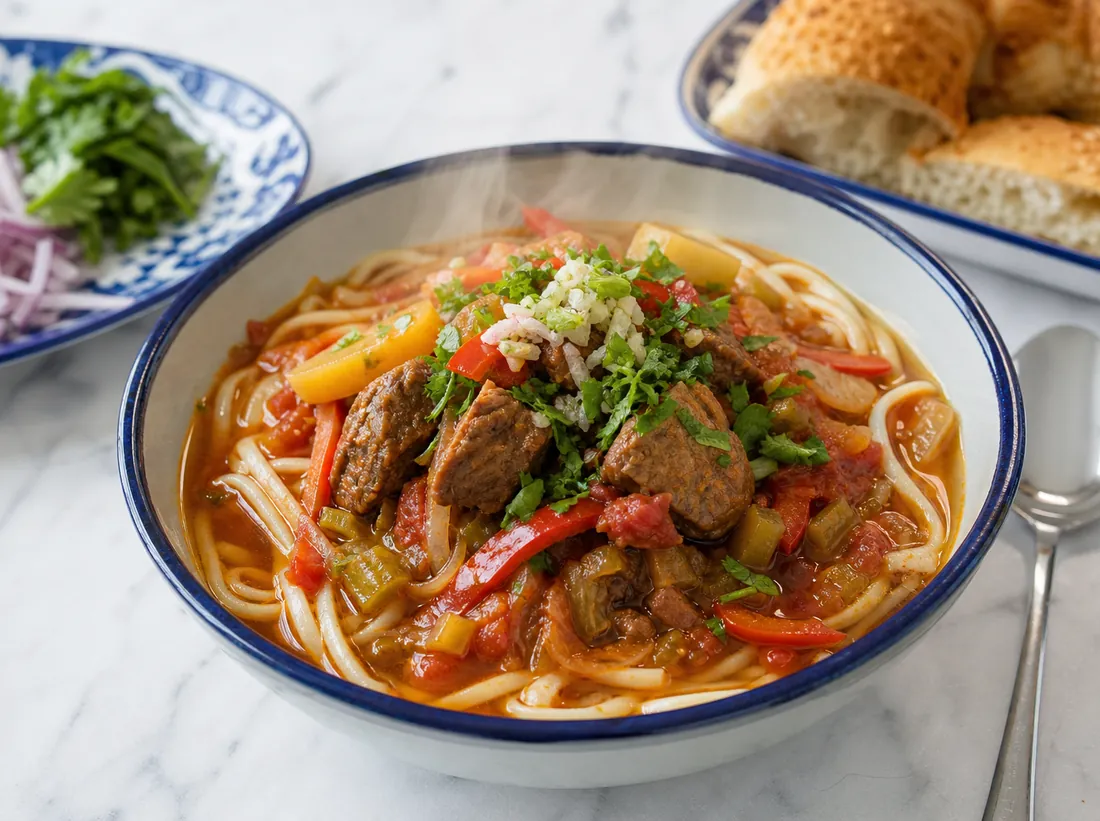
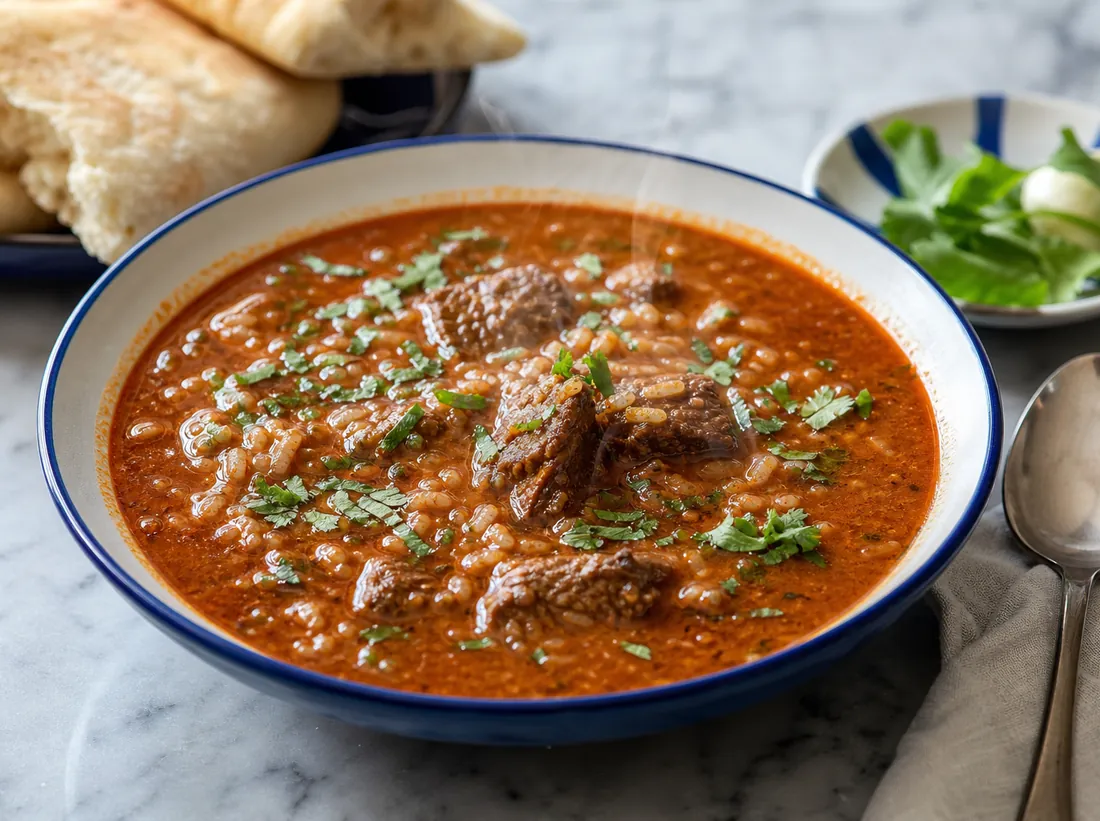
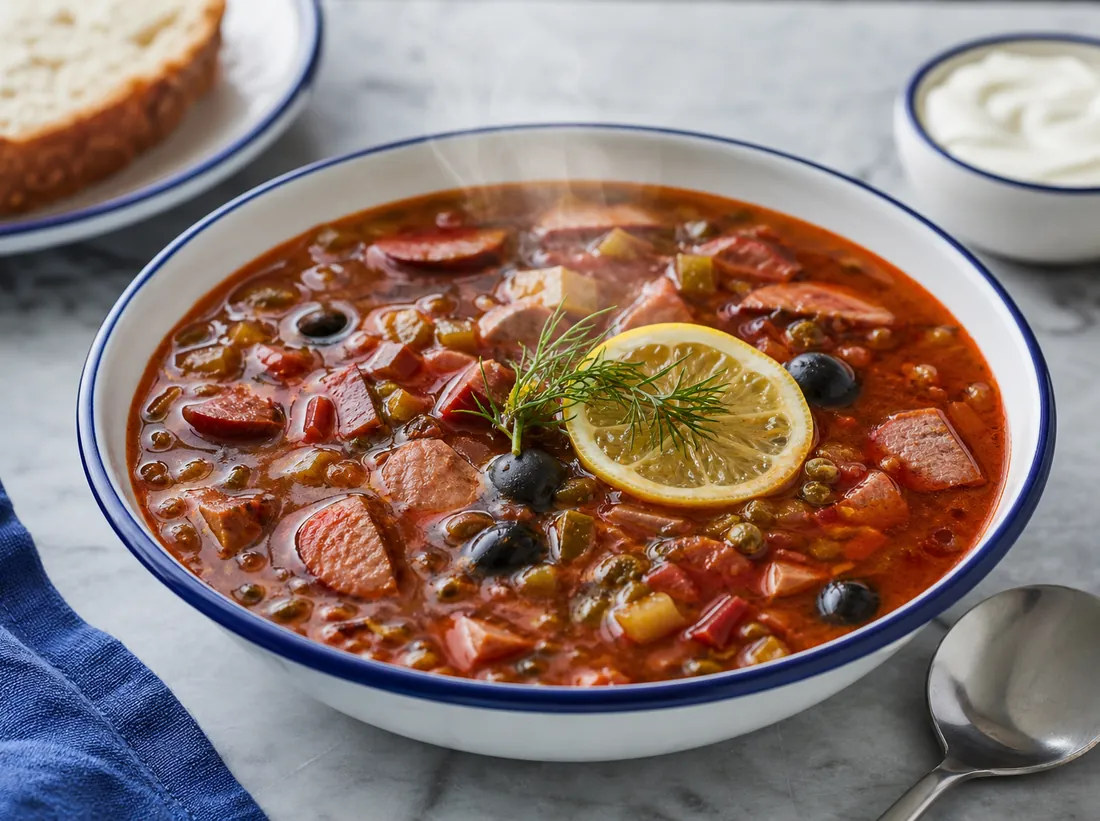
Shurpa is cooked all over Central Asia, from Uzbekistan and Tajikistan to Kazakhstan, and its name is close to the names of soups across the wider region, from the shorba of Iraqi cooking to the Turkish and Balkan chorba. In Uzbekistan there are two kinds: boiled shurpa, where the meat and vegetables go into the water as they are, and fried shurpa, where the meat and onion are browned in oil first.
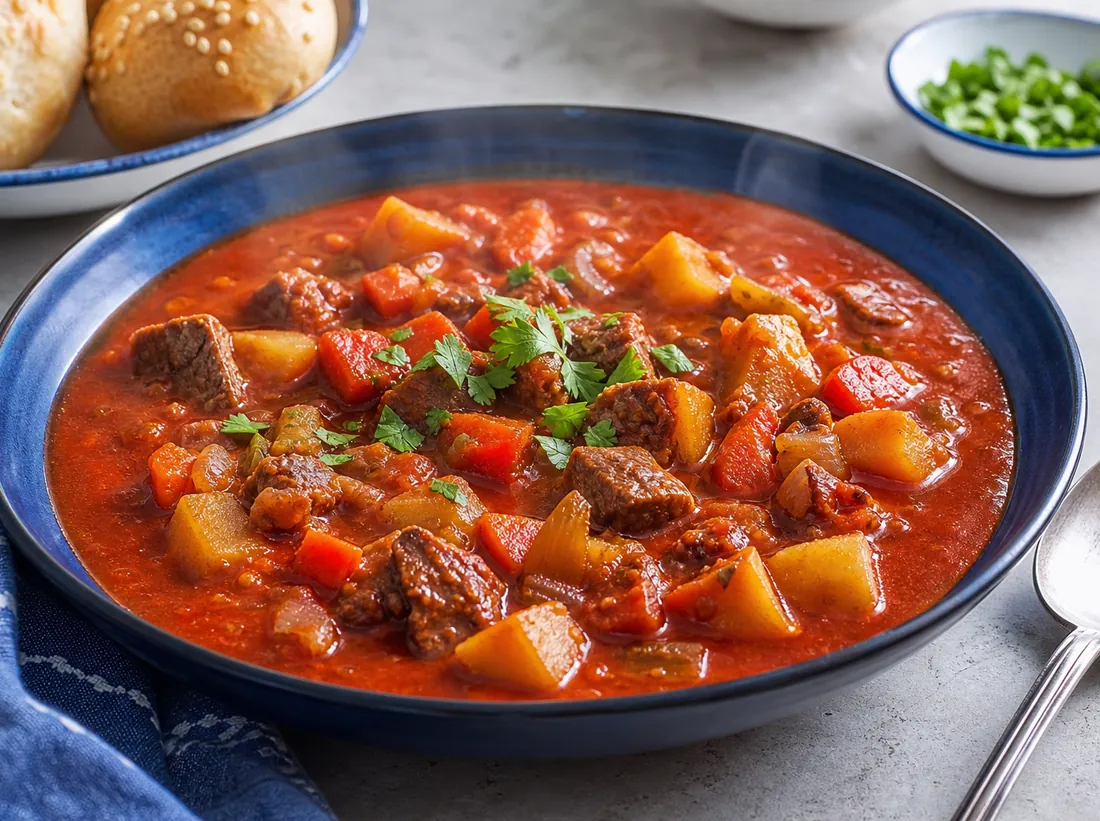
Bukharan Jews cooked shurpa at home in Bukhara, Samarkand and Tashkent. They brought their cooking to Israel as early as the late 19th century, when the Bukharan Quarter of Jerusalem was built, and again with the great wave of immigration in the 1990s. In Bukharan homes in Israel it is cooked with bone-in lamb or beef, chickpeas and almost whole vegetables, and served with a plate of fresh herbs and raw onion.
What makes Shurpa itself
Shurpa is a soup of patience and large pieces. The meat cooks on the bone, with no pressure and no rolling boil, until the broth is clear and golden. The vegetables go in stages and almost whole: halved carrots, small potatoes, quartered peppers, halved tomatoes. That way each vegetable keeps its own taste and texture, and the broth stays transparent. Cumin and coriander give the smell of Central Asia, and the fresh herbs go in at the end.