The story of Chickpea soup
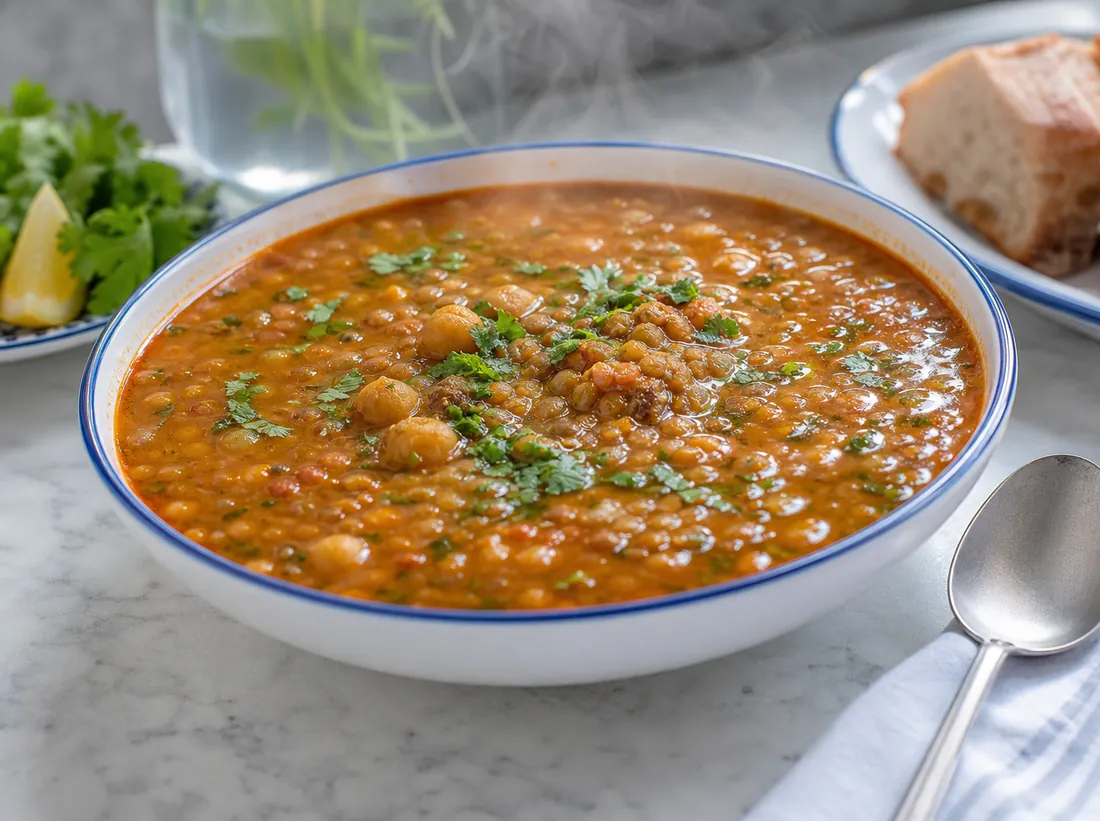
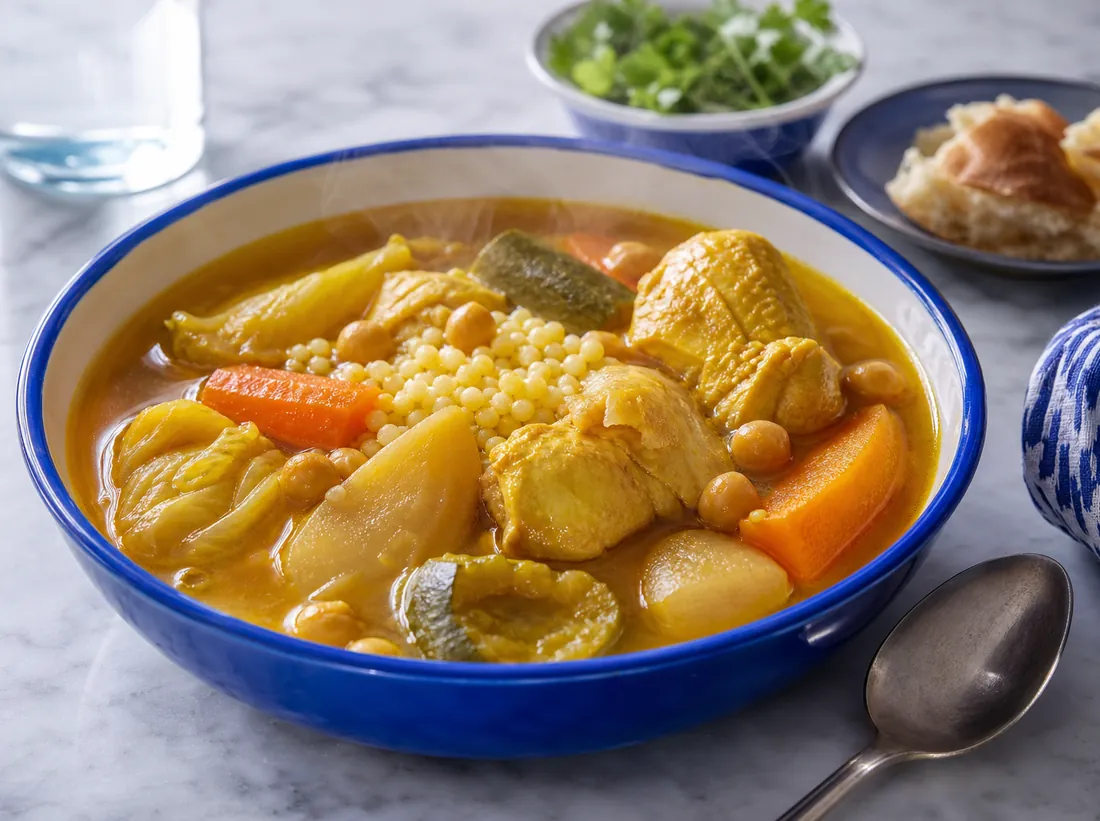
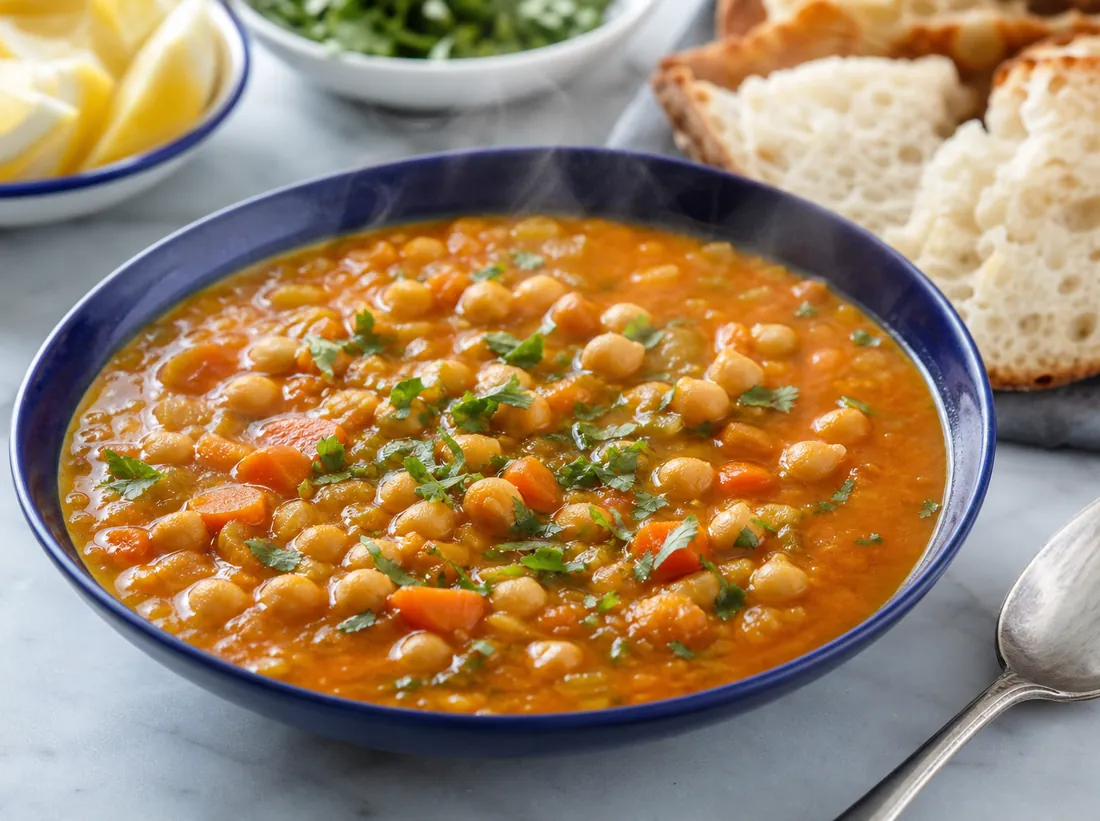
In Israel hummus means the spread first, but in Moroccan homes chickpeas go into nearly every winter pot: couscous soup, harira and the Shabbat dafina. Chickpea soup is the simple everyday version of them all, chickpeas, celery, coriander and lemon, a pot that feeds a whole family from things that are always in the cupboard.
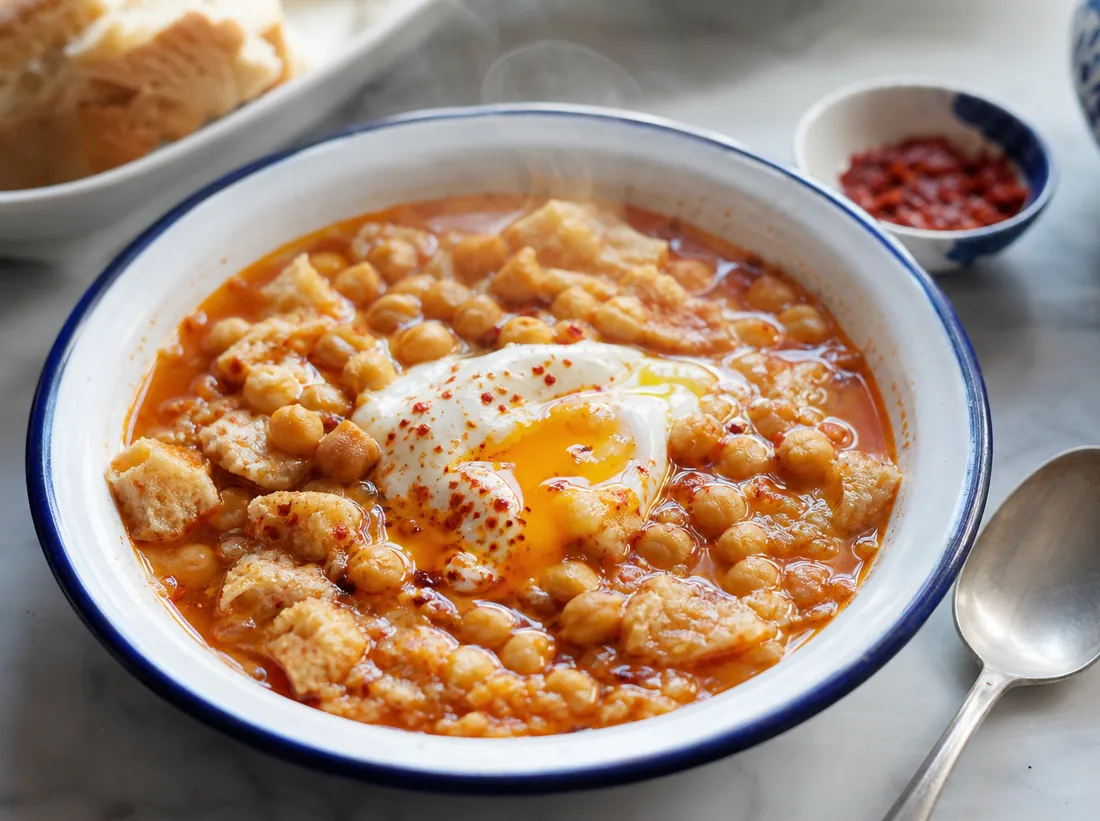
Every kitchen around the Mediterranean has its chickpea soup. Italy cooks pasta e ceci with rosemary and garlic, Tunisia eats spicy lablabi poured over bread, and Greece simmers chickpeas slowly with lots of onion, olive oil and lemon. In Israel the Moroccan version, with cumin, turmeric and paprika, became familiar across all communities, and the version with pumpkin became a favourite next to it.
What makes Chickpea soup itself
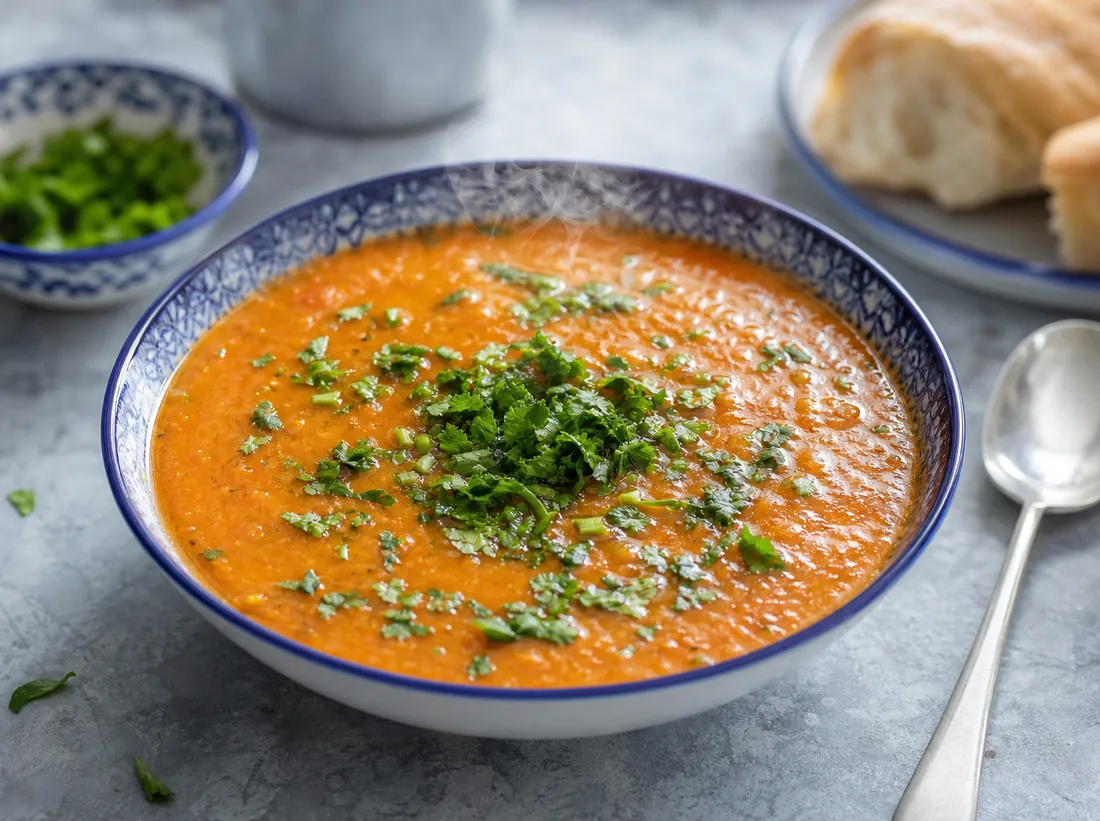
Chickpea soup stands on the chickpea itself. It cooks without tomato until completely tender and only then gets its acid, because tomato added too early keeps chickpeas hard. Two ladles of chickpeas are blended and returned to the pot, and their starch and protein turn the liquid velvety. The spices are fried in olive oil before the water goes in, and the coriander and lemon go in only in the final minutes.