The story of Noodle soup
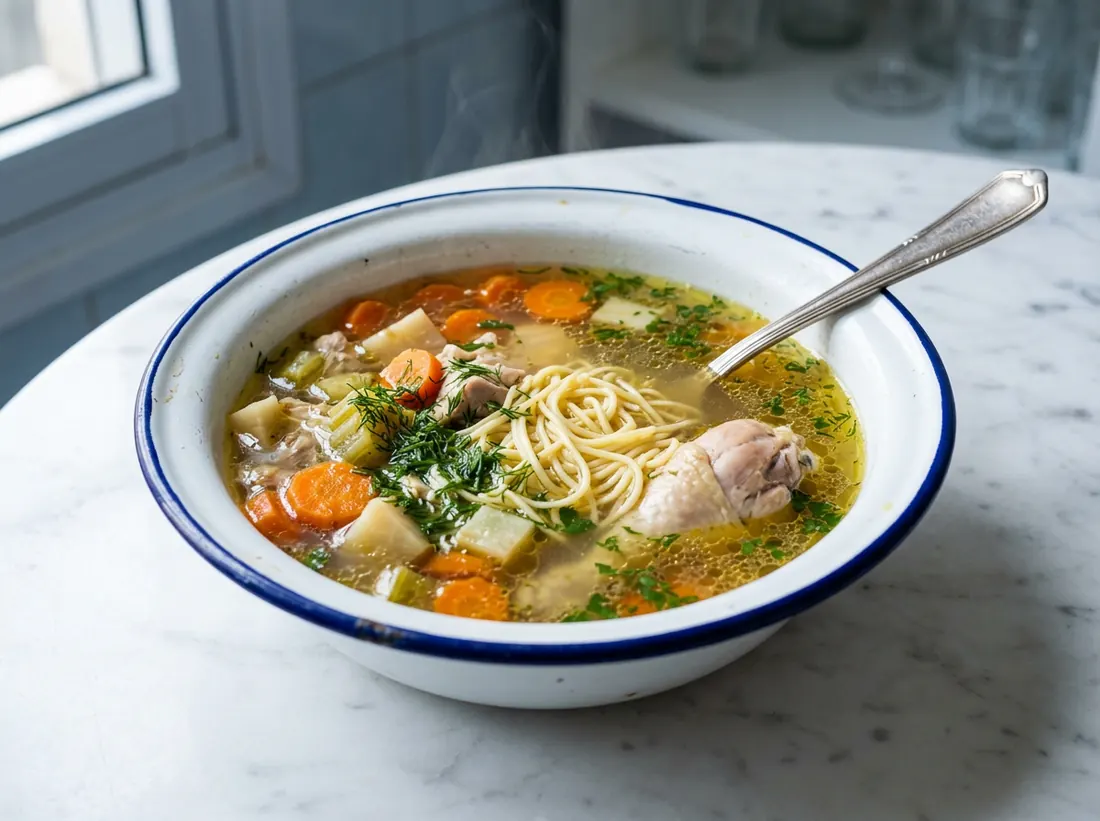
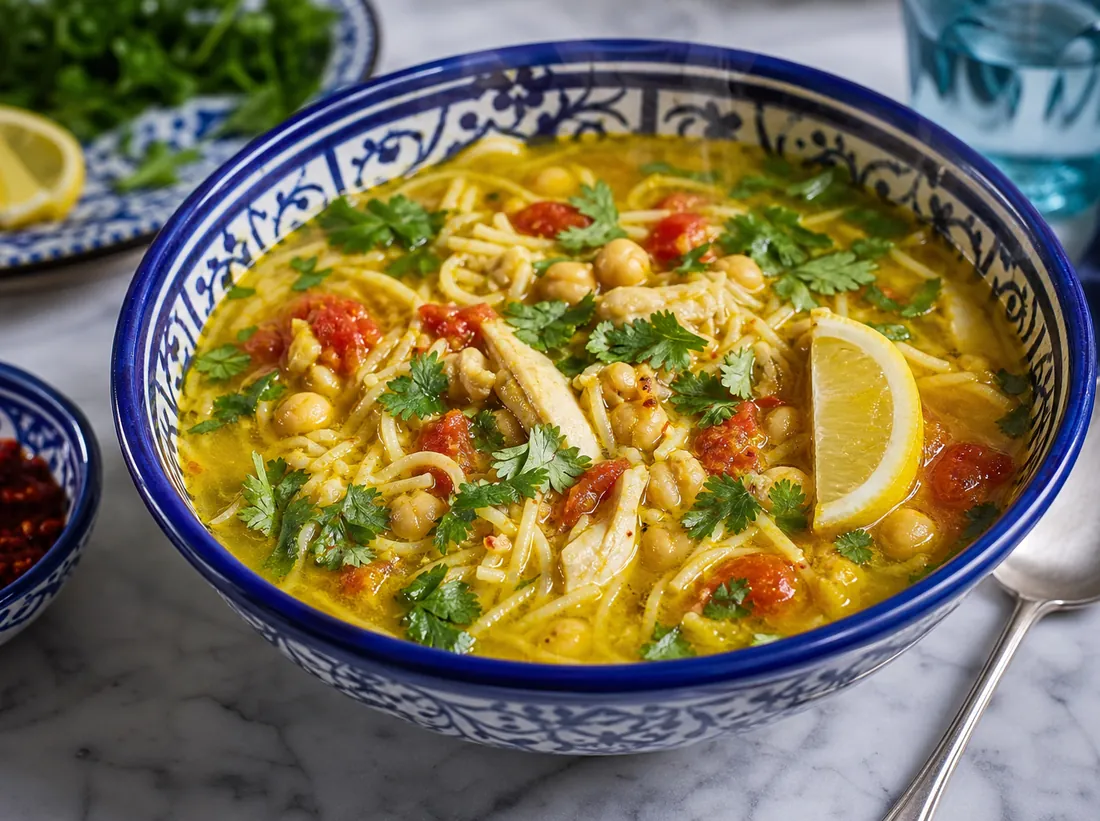
In Israel noodle soup is a bowl of childhood. In Ashkenazi homes it means egg noodles, lokshen, in clear chicken soup; in Moroccan homes it means thin noodles in a yellow broth with chickpeas, coriander and lemon. In Moroccan Arabic these fine noodles are called shaariya, from the word for hair, and on Shabbat or midweek they turn any chicken broth into a meal.
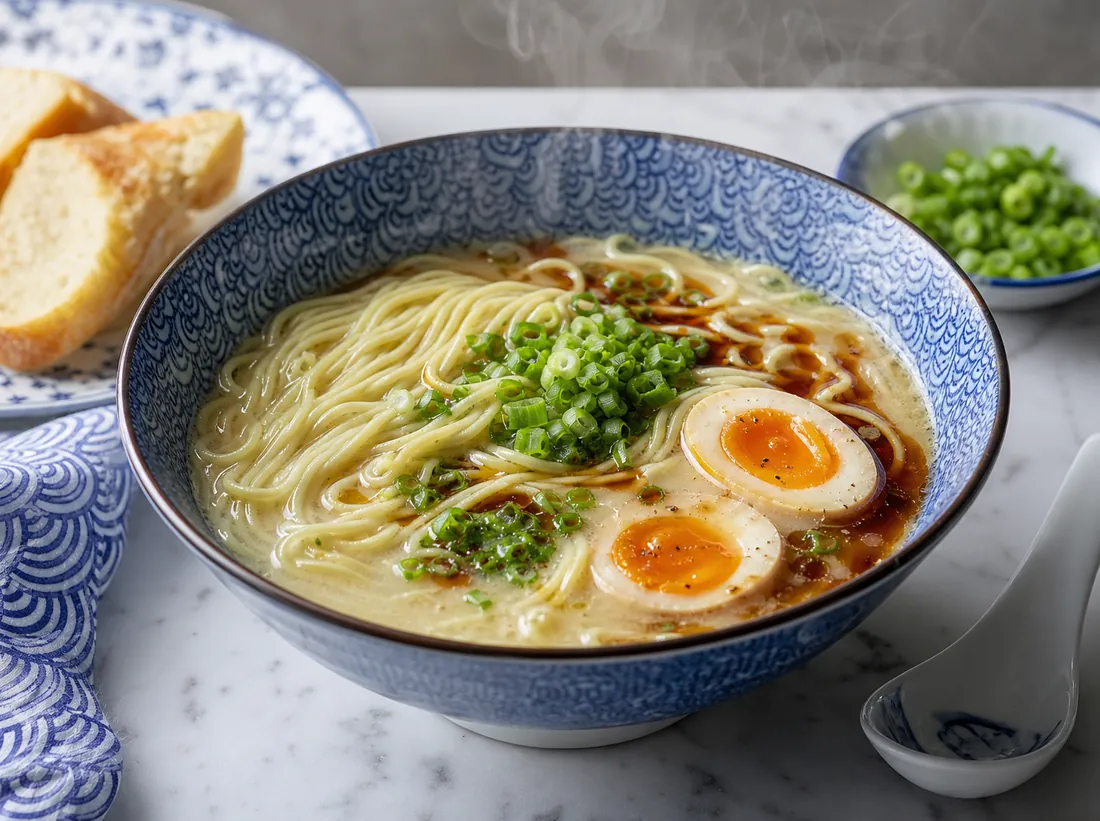
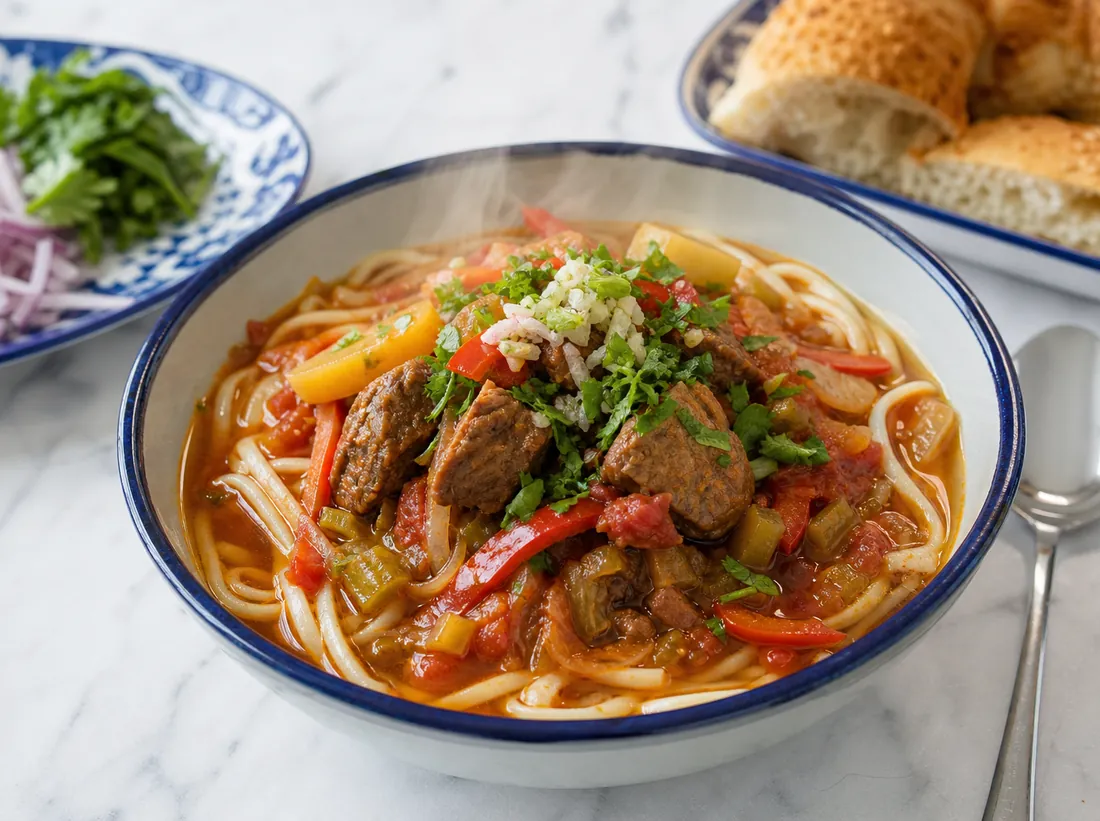
Almost every kitchen has a noodle soup: Persian ash reshteh, the lagman of Bukhara and Uzbekistan, Vietnamese pho and Japanese ramen. The home noodle soup is the simplest of all, because the noodles go in last and everything depends on the broth beneath them. That is why every home also knows a quick version, from broth in the freezer, ready in under a quarter of an hour.
What makes Noodle soup itself
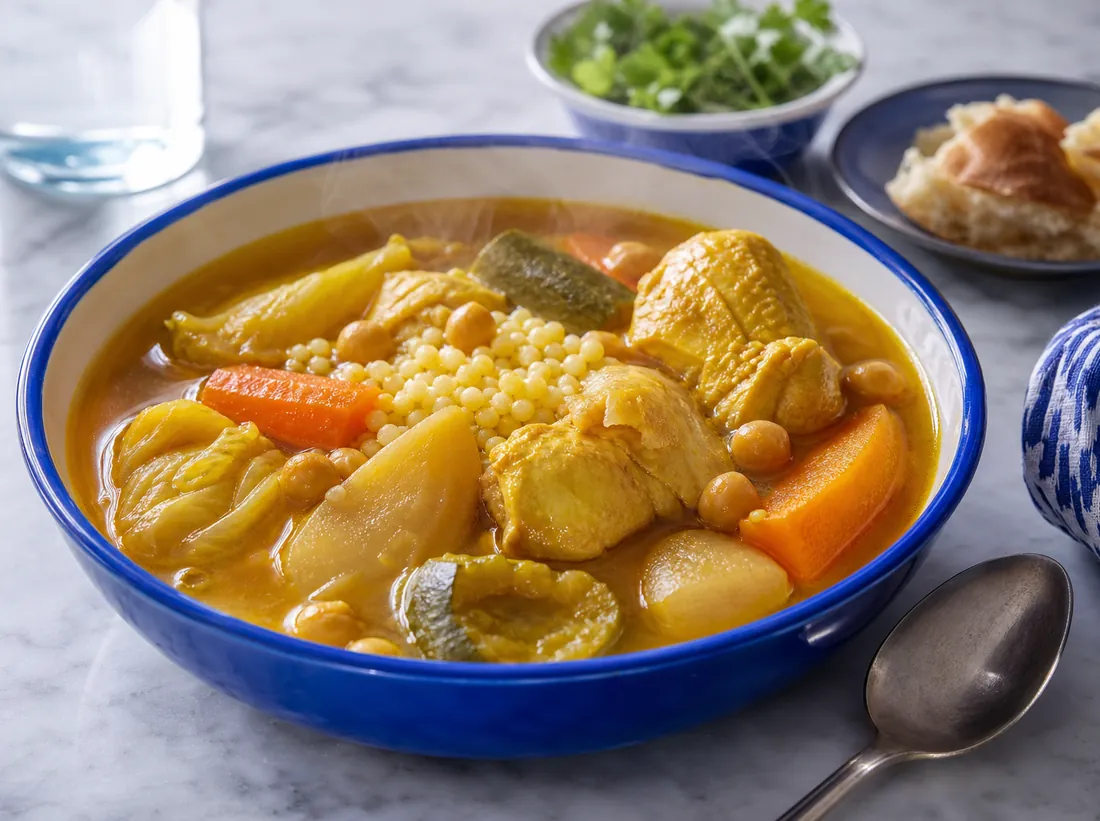
In noodle soup the noodles are the last thing into the pot and the first thing to go wrong. The broth is cooked through first, with chicken, vegetables and chickpeas, and the noodles go in only 8 minutes before serving. In the Moroccan version they are toasted in a pan until golden, so they taste nutty and stay separate. Turmeric, ginger and the final squeeze of lemon are what set this bowl apart from an ordinary chicken soup with lokshen.