Osechi ryori

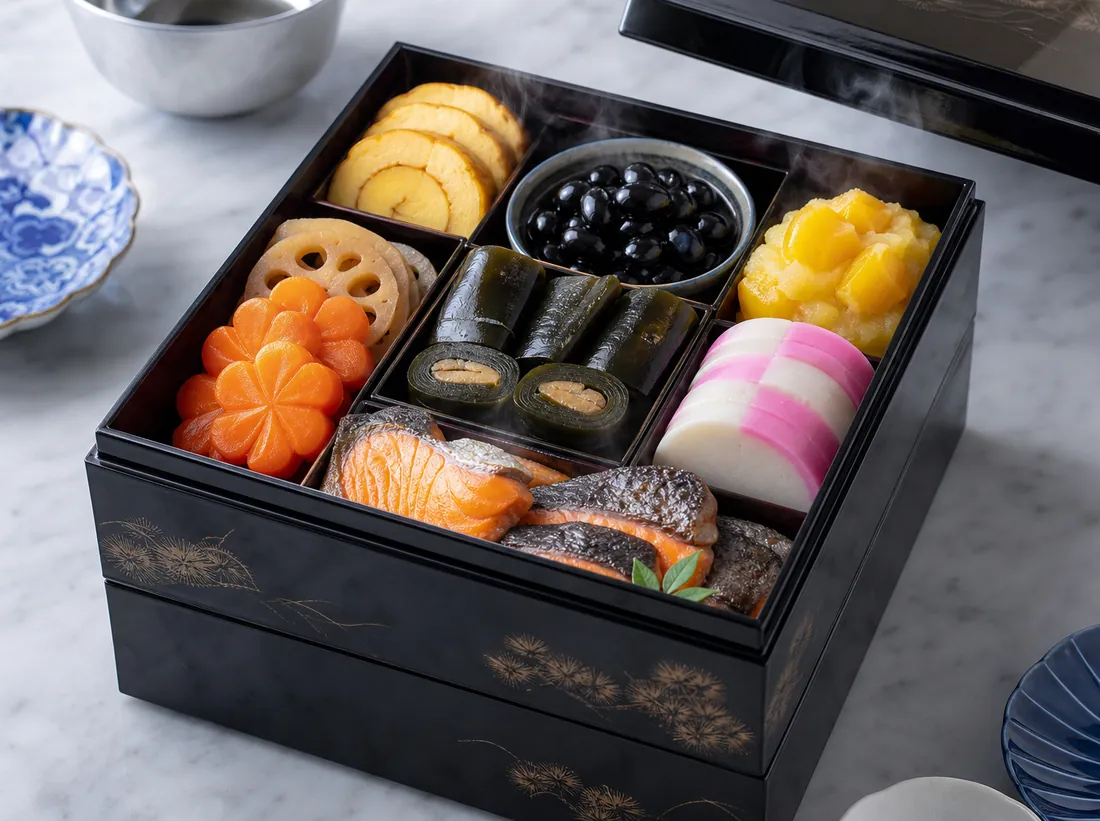
Osechi, or osechi ryori, is the New Year food of Japan: dozens of small sweet, sour and salty dishes arranged in stacked lacquer boxes and eaten cold over the first three days of January. Every dish carries a meaning, a wish for the coming year hidden in its name, its shape or its colour. Here is a kosher, parve selection in grams: six dishes of vegetables, eggs and fish, with no shrimp and no meat.

Quantity calculatorOrder Osechi

Dairy freeParveAllergens:EggsFishSoyTree nuts

Updated

OsechiIllustration
Time7 hCook 4 h · + Soak 8 h
Amount6 portions2.4 kg
Per portion609 kcal33.9 g protein · a 400 g portion
Cost of the pot₪104for the pot, about ₪17 a bowl

The story of Osechi

The name comes from sechi, the turning points between the seasons, when special food was offered to the gods at the imperial court and at shrines. Over the years those festival days gathered into one, and osechi became the food of the New Year. It is cooked in the last days of December from dishes that keep for several days thanks to sugar, salt, vinegar and soy sauce, so that during the first three days of the year, the sanganichi, nobody has to cook.

The dishes are packed in jubako, lacquer boxes stacked one on another, and the stack itself is a wish: that happiness will pile up layer upon layer. Today many families buy ready-made osechi from department stores, hotels and chains, ordering it as early as autumn, while others cook a few favourite dishes at home and buy the rest.

What makes Osechi itself

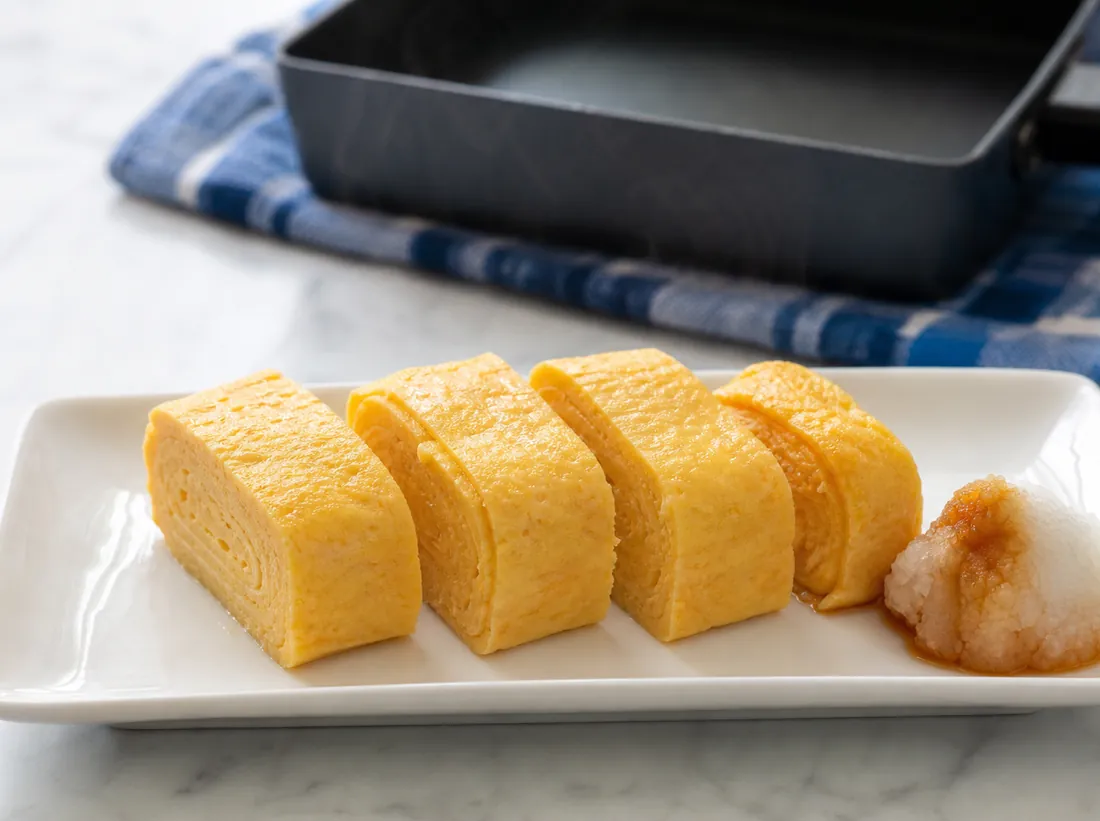
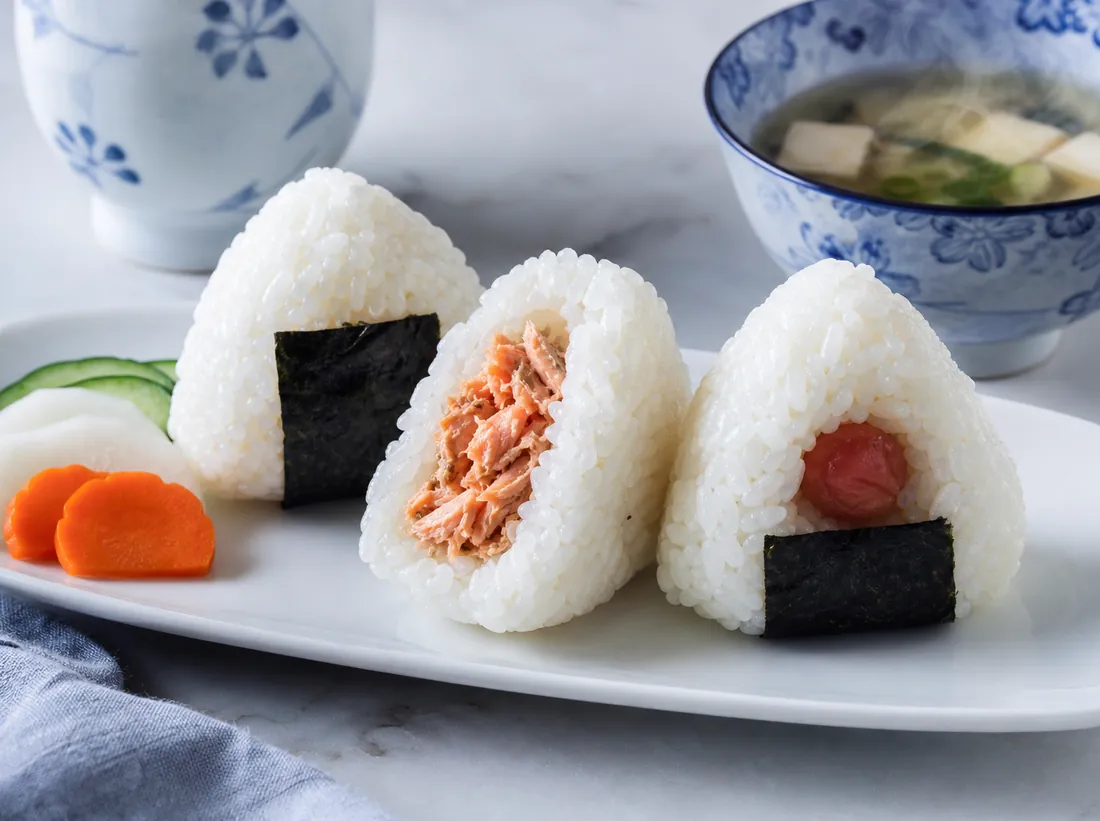
Osechi is not one dish but a whole table inside a box. It is built from colours, red, white, gold, black and green, from flavours, sweet, sour and salty, and from textures, and it is eaten cold, a little of everything. Each dish stands for a wish: kuromame for a year of diligent work, datemaki, which looks like a rolled scroll, for learning and culture, golden kuri kinton for wealth, the holes of lotus root for a clear view of the future, and red and white namasu for celebration. The traditional box also holds shrimp, whose bent back like an old man's stands for long life, and chicken in the simmered vegetables. In the kosher selection salmon replaces the shrimp, and the vegetables are simmered without chicken, because a box that holds fish does not mix in meat.
Osechi for any number of people

Change the number of people and the portion size, and every ingredient updates in grams, with the cost, calories and protein per portion.

Portion size
Units
2.4kg of food
3Pot to use, litres
₪104Cost of the pot
₪17per portion
609kcal per portion
33.9g protein per portion
IngredientAmountCost
Kuromame, sweet black soybeans
Dried black soybeans100 g₪6.6
Water600 g
Sugar80 g₪0.4
Soy sauce10 g₪0.4
Salt, a pinch1 g
Datemaki, sweet rolled omelette
Eggs240 g · 4 pcs₪5.8
White fish fillet, in place of Japanese fish cake80 g₪7.2
Sugar30 g₪0.2
Mirin15 g₪0.9
Soy sauce5 g₪0.2
Canola oil, for the tin5 g₪0.1
Kuri kinton, sweet potato and chestnut
Sweet potato, peeled400 g₪4.0
Roasted, peeled chestnuts150 g · 12 pcs₪9.0
Sugar50 g₪0.3
Mirin20 g₪1.2
Salt, a pinch1 g
Kohaku namasu, red and white in vinegar
Daikon radish300 g₪3.0
Carrot40 g₪0.2
Salt3 g₪0.0
Rice vinegar45 g₪1.8
Sugar20 g₪0.1
Nishime, simmered vegetables
Carrot, in thick slices or cut into flowers150 g₪0.7
Lotus root (renkon), sliced150 g₪7.5
Dried shiitake mushrooms15 g · 6 pcs₪3.3
Snow peas50 g · 12 pcs₪2.3
Dried kombu, for the dashi10 g₪2.1
Water for the dashi500 g
Soy sauce30 g₪1.3
Mirin30 g₪1.8
Sugar10 g₪0.1
Teriyaki salmon, in place of shrimp and yellowtail
Salmon fillet, 6 pieces450 g · 6 pcs₪40
Soy sauce30 g₪1.3
Mirin30 g₪1.8
Sugar10 g₪0.1
Canola oil10 g₪0.2
Send on WhatsApp

Shelf prices at a large Israeli chain and specialty shops, October 2026. Nutrition from the ingredients in grams, before cooking.

How many calories in Osechi? Nutrition facts and calorie calculator

Change the amount of any ingredient, drop one, or pick a lighter version, and the numbers per serving update at once: calories, fat, carbs, protein, sodium and fibre.

Osechi has 152 calories per 100 g. A 400 g serving made with our recipe has 609 calories: 33.9 g protein, 13.7 g fat and 80.1 g carbohydrates.

Lighter

Ingredients, for the whole recipe

  • 100 g74 kcal per serving
  • 80 g52 kcal per serving
  • 10 ml1 kcal per serving
  • 1 g0 kcal per serving
  • 4 pcs57 kcal per serving
  • 80 g12 kcal per serving
  • 30 g19 kcal per serving
  • 15 ml7 kcal per serving
  • 5 ml1 kcal per serving
  • 5 ml7 kcal per serving
  • 400 g57 kcal per serving
  • 12 pcs61 kcal per serving
  • 50 g32 kcal per serving
  • 20 ml9 kcal per serving
  • 1 g0 kcal per serving
  • 300 g7 kcal per serving
  • 40 g3 kcal per serving
  • 3 g0 kcal per serving
  • 45 ml2 kcal per serving
  • 20 g13 kcal per serving
  • 150 g10 kcal per serving
  • 150 g19 kcal per serving
  • 6 pcs7 kcal per serving
  • 12 pcs3 kcal per serving
  • 10 g0 kcal per serving
  • 30 ml3 kcal per serving
  • 30 ml14 kcal per serving
  • 10 g6 kcal per serving
  • 6 pcs95 kcal per serving
  • 30 ml3 kcal per serving
  • 30 ml14 kcal per serving
  • 10 g6 kcal per serving
  • 10 ml14 kcal per serving

What each add-on adds to Osechi

Values for the amount in the row, from the national food database.

Add-onCaloriesProtein, gFat, g
One large egg837.35.5
A tablespoon of oil122013.8

How to make Osechi

In cook mode the screen stays on, tap a step when it is done, and the timers run next to each step.
  1. The day before, kuromame: bring 600 ml water to the boil with 80 g sugar, 10 ml soy sauce and the salt, take it off the heat and add the rinsed beans. Soak for 8 hours or overnight.
  2. The day before, dashi for the nishime: soak the kombu and shiitake in 500 ml water in the fridge until the next day.
  3. Bring the beans to the boil in their liquid, skim, cover with a circle of baking paper resting on the liquid and simmer on the lowest heat for 3 to 5 hours, until a bean crushes easily between your tongue and the roof of your mouth. Add hot water so the beans always stay covered, and cool them in the syrup. In a pressure cooker this takes 30 minutes.
  4. Namasu: cut the daikon and carrot into very fine matchsticks, mix with 3 g salt and leave for 15 minutes. Squeeze hard by hand, mix with the rice vinegar and 20 g sugar, and chill for at least two hours.
  5. Nishime: lift the kombu out of the dashi and trim the shiitake stems. Soak the lotus root slices for 5 minutes in water with a splash of vinegar. Simmer the carrot, lotus root and shiitake in the dashi with soy sauce, mirin and 10 g sugar under a paper lid for 15 to 20 minutes over low heat, and cool in the liquid. Blanch the snow peas separately for a minute in boiling salted water and cool them in iced water.
  6. Kuri kinton: cut the sweet potato into thick pieces, soak them for 10 minutes in water and boil for 15 minutes until very soft. Drain and mash while hot, pushing it through a sieve if you can. Return to the pot with the sugar, mirin and salt and cook for 5 minutes, stirring, until thick and glossy. Fold in the chestnuts.
  7. Datemaki: heat the oven to 180 °C and oil a 20 by 20 cm square tin lined with baking paper. Blend the fish in a food processor to a smooth paste, add the eggs, sugar, mirin and soy sauce and blend until smooth. Pour into the tin and bake for 18 to 20 minutes, until the top is golden and the omelette is set.
  8. Turn the hot omelette onto a sushi mat, golden side down, score shallow lines across it, and roll it up tightly. Secure with rubber bands and leave to cool for an hour, then cut into 1.5 cm slices.
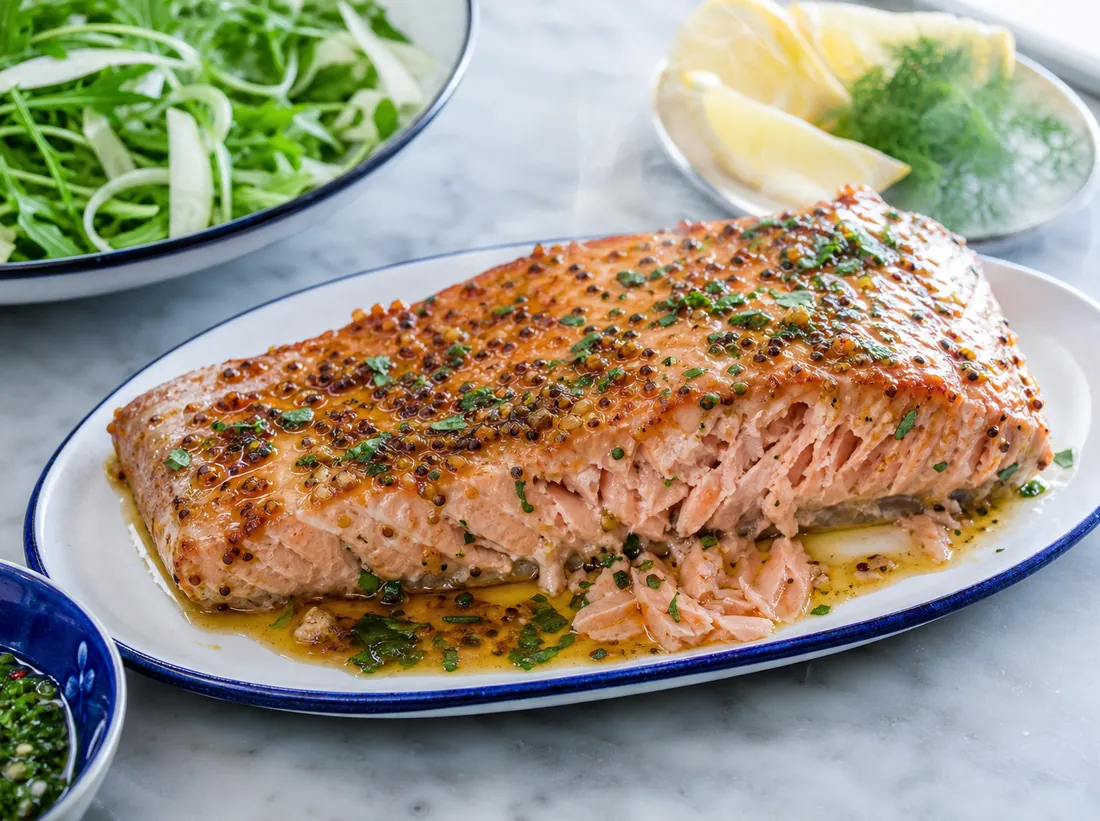
  9. Teriyaki salmon: pat the pieces dry, sear in the oil for 3 minutes skin side down and 2 minutes on the other side, add the soy sauce, mirin and sugar and reduce for a minute or two, spooning it over, until it forms a glossy glaze. Let it cool.
  10. Arrange in the boxes once everything is cold: in the top tier kuromame in a small dish, kinton and datemaki, in the middle the salmon and the namasu in little cups, and at the bottom the nishime. Pack in tight rows, colour beside colour, and keep in the fridge until serving.

The science of Osechi

Kitchen science

Why osechi keeps for days

Sugar, salt and soy sauce bind the water in food, leaving less free water that bacteria can use. The vinegar in namasu lowers the pH, which slows most bacteria down. That is why dishes cooked in syrup or pickled in vinegar keep for several days in the fridge, as long as they stay cold and covered.

Kitchen science

Why the kuromame do not wrinkle

A bean's skin wrinkles when it takes up water too fast or is exposed to air during cooking. Soaking in hot syrup lets the beans absorb water and sugar gradually, and a lid resting on the liquid keeps them under the surface. Cooling in the syrup keeps filling them, so they stay glossy and whole.

Kitchen science

The texture of datemaki

Fish proteins, mainly myosin, form a gel when blended with the salt from the soy sauce, and it binds with the egg proteins as it heats. The result is a spongy, springy omelette, like a soft cake, that rolls without cracking. The sugar keeps it moist and browns the top to gold.

Kitchen science

Why lotus root stays white and crisp

Lotus root has enzymes that darken it when it is cut and meets oxygen. Vinegar in the soaking water slows those enzymes and keeps it white, and the acidity also firms the pectin in the cell walls, which is why lotus root stays crisp after cooking.

Kitchen science

Why sweet potato tastes sweeter when cooked slowly

Sweet potato has an enzyme that breaks starch into maltose, and it works hardest between 60 and 75 °C. When sweet potato heats slowly in water it passes through that range and turns sweeter. Mashing it hot gives a smooth paste, because the cells separate from each other without bursting.

Osechi in every kitchen

Kazunoko

Herring roe marinated in dashi and soy, a wish for many children and generations. Herring is a kosher fish, but buy kazunoko only with a kosher mark.

Tazukuri

Small dried sardines toasted and glazed with sugar and soy. The name means making rice fields, because such fish were once used as fertiliser, and it is a wish for a good harvest. In a kosher kitchen, only with kosher-certified dried fish.

Kamaboko

A half-moon fish cake, red and white like the rising sun. Most fish cakes contain fish of unknown kosher status, so use only a product with a kosher mark, or leave it out.

Kobumaki

Rolls of kombu wrapped around fish, usually salmon or herring, tied with a strip of dried gourd and simmered in soy and mirin. The name sounds like the word for joy.

Tai and buri

Grilled sea bream, whose name sounds like the word for auspicious, and buri, yellowtail, a fish that changes its name as it grows, a wish for promotion at work. Both are kosher fish, and salmon or local sea bream stand in well.

Western and ready-made osechi

In recent decades there are also Western-style boxes with roast beef, terrines and cheeses, and Chinese-style ones. In a kosher kitchen a meat box and the fish box are served separately, and cheese goes only in a dairy box.

Common Osechi problems and how to fix them

My kuromame came out hard or wrinkled

They were not soaked long enough, cooked over high heat, or exposed to air. Soak overnight in hot syrup, simmer on the lowest heat under a paper lid, and add hot water so they stay covered.

My datemaki cracked when I rolled it

It cooled before rolling, or was overbaked and dried out. Roll it as soon as it leaves the oven, after scoring shallow lines on the inside, and take it out when the centre has only just set.

The namasu turned watery

The daikon was not salted and squeezed before seasoning, and its water ran into the vinegar. Salt it, wait 15 minutes, squeeze hard by hand, and only then season.

My kinton is lumpy or gluey

The sweet potato was not fully soft or was mashed cold. Cook until a fork slides in without effort, and mash or sieve it while still very hot.

The lotus root turned grey

It was cut ahead and left in the air. Cut it right before cooking and put it straight into water with a little vinegar. Frozen sliced lotus root, sold at Asian grocers, is especially handy.

Storing, freezing and reheating

3 to 4 days, each dish covered

In the fridge

Only kuromame and kinton, up to 1 month

In the freezer

2+4

To cool

Bring it from 60 to 21 °C within two hours and down to 5 °C within four more. Split a big pot into shallow boxes.

75 °C

Reheating

Osechi is eaten cold or at room temperature. Take it out of the fridge half an hour before serving, and the salmon can be warmed for 5 minutes in a 160 °C oven.

Nutrition of Osechi

From our recipe, per bowl and per 100 g, next to the national food database.

ServingkcalProtein, gFat, gCarbs, gFibre, g
Our recipe, a 400 g portion60933.913.780.18.2
Our recipe, 100 g1528.53.420.02.1

What the ingredients of Osechi cost

What each ingredient costs in one pot, and where to buy it.

IngredientPriceIn this potWhere to buy
Salmon fillet, 6 pieces₪90 per kg₪40Supermarket
Roasted, peeled chestnuts₪60 per kg₪9Supermarket
Lotus root (renkon), sliced₪50 per kg₪7.5Asian grocer (hard to find)
White fish fillet, in place of Japanese fish cake₪90 per kg₪7.2Supermarket
Dried black soybeans₪66 per kg₪6.6Asian grocer (hard to find)
Eggs₪1.4 each₪5.8Supermarket
Mirin₪60 per litre₪5.7Asian grocer
Sweet potato, peeled₪9.9 per kg₪4Greengrocer
Dried shiitake mushrooms₪220 per kg₪3.3Asian grocer
Soy sauce₪42 per litre₪3.1Supermarket
Daikon radish₪9.9 per kg₪3Greengrocer
Snow peas₪45 per kg₪2.2Greengrocer
Dried kombu, for the dashi₪210 per kg₪2.1Asian grocer (hard to find)
Rice vinegar₪40 per litre₪1.8Supermarket
Sugar₪5.5 per kg₪1.1Supermarket
Carrot₪4.9 per kg₪0.9Greengrocer
Canola oil, for the tin₪15 per litre₪0.2Supermarket
Salt, a pinch₪2.1 per kg₪0Supermarket

Shelf prices at a large Israeli chain and specialty shops, October 2026, VAT included. Vegetable prices change with the season.

Osechi and its culture

New Year is the biggest holiday in Japan. On the evening of 31 December people eat toshikoshi soba, long buckwheat noodles for a long life, temple bells ring at midnight, and over the first days of January the family gathers round the osechi boxes and makes the first shrine visit of the year. Anyone who knows the symbolic foods of Rosh Hashanah, the pomegranate, the date, the leek and the beet, each carrying a blessing, most of them through a play on words, will feel at home at this table.

In a kosher kitchen osechi is a lovely winter project for the first Shabbat of January or a family gathering. It is made ahead and served cold, which suits Shabbat especially well. The selection here is parve, with fish, eggs and vegetables, no shrimp, and no processed fish products without a kosher mark. Anyone who wants a chicken dish, such as the simmered vegetables with chicken from Kyushu, serves it in a separate box and a separate part of the meal.

From the pantry: what Osechi needs

Pantry

Soy sauce

Pantry

Mirin

Pantry

Dried kombu, for the dashi

Make Osechi a meal

Shabbat

Ready Shabbat food

Soup, hamin, mains and sides, with a quantity calculator and prices.

Plan Shabbat
Hosting

Hosting trays

9 trays to go with the soup, with a planner by number of guests.

Tray planner
Events

Catering

A whole menu in grams per guest, with a reheating table.

Menus

What to serve with Osechi

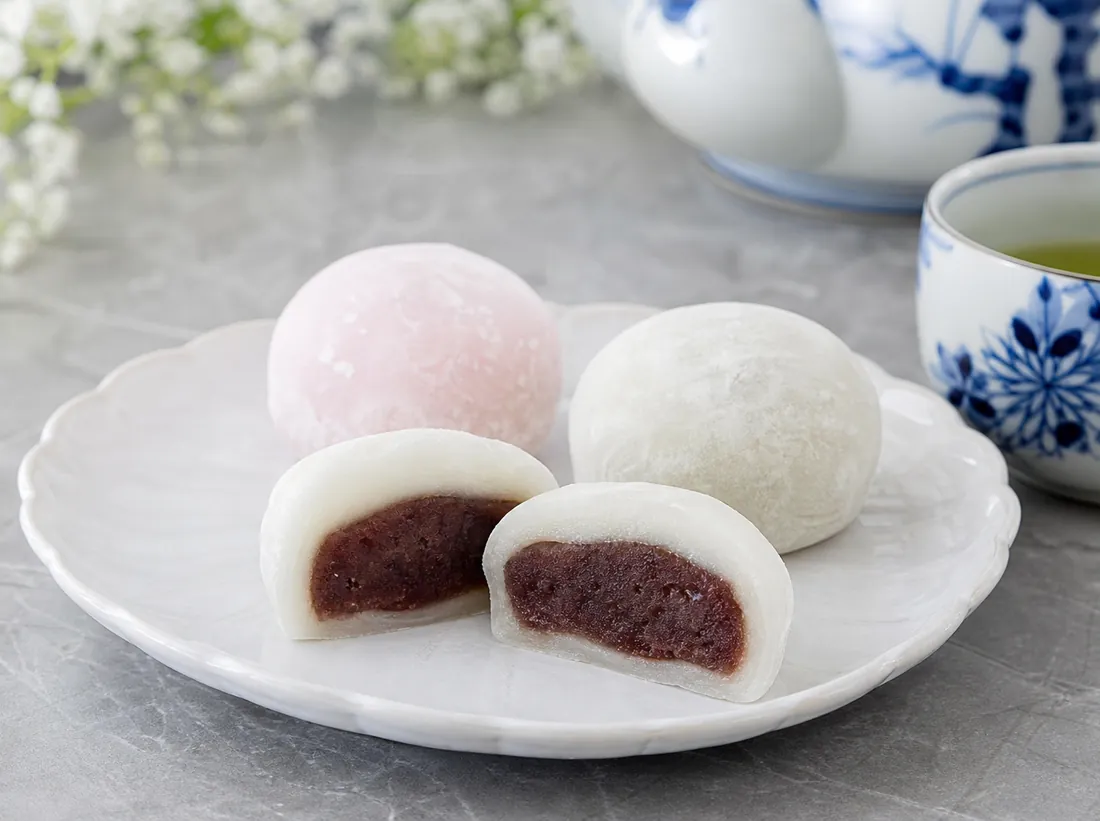
In Japan the boxes are opened on the first morning of the year, after a cup of toso, spiced sake, and alongside ozoni, a soup with mochi. Everyone takes a little of each dish with special festive chopsticks pointed at both ends.

The cuisine behind Osechi

Japanese

Japanese cuisine

The name comes from sechi, the turning points between the seasons, when special food was offered to the gods at the imperial court and at…

Japanese cuisine

Osechi in large quantities: events, offices and communities

How much of everything by number of guests, at a 400 g portion. For trays, catering and community kitchens.

Guestskg of food3 kg traysCost of ingredients
25104₪433
50207₪867
1004014₪1,734
2008027₪3,468
50020067₪8,669

Every ingredient for any number of guests is in the calculator above: type the number of people.

Order Osechi

A ready pot for Shabbat, an event or the office, ordered ahead.

  • Cooked to order, for Shabbat, an event or the office.
  • Tell us how many people and when, and we send a quote.
  • Delivery in Tel Aviv from ₪35, free over ₪750.

Order Osechi for a large event

Large orders in Israel and abroad: events, offices, synagogues, communities and institutions.

  • In Israel: cooked in Tel Aviv and delivered to events in the area, and to large events anywhere in the country on a quote.
  • Abroad: for communities, events and restaurants. Tell us where, how many and when, and we come back with a quote and options.
  • Institutional quantities and a shopping list for any number of guests, in the calculator above.

Frequently asked questions

What is osechi?

Osechi, or osechi ryori, is Japanese New Year food: small symbolic dishes arranged in stacked lacquer boxes and eaten cold over the first days of January.

What does each osechi dish mean?

Each dish is a wish: kuromame for diligent work, kazunoko for many children, kuri kinton for wealth, datemaki for learning, lotus root for a clear future and shrimp for long life.

When is osechi eaten?

Over the first three days of the year, 1 to 3 January. It is made in the last days of December so that nobody has to cook over the holiday.

How long does osechi keep?

Three to four days in the fridge, each dish covered. The dishes are cooked with sugar, salt, vinegar and soy sauce, so they keep longer than everyday food, as long as they stay cold.

Can osechi be kosher?

Yes. Leave out the shrimp, simmer the vegetables without chicken because the box holds fish, and use fish cake, fish roe and dried fish only with a kosher mark. The selection here is parve.

What goes in each tier of an osechi box?

In many families the top tier holds small celebratory bites and sweets, the middle grilled fish and vinegared dishes, and the bottom simmered vegetables. The order varies between families and regions.

Do Japanese families make osechi or buy it?

Both. Many order a ready-made box as early as autumn and cook two or three family dishes at home. Here are six dishes you can make at home over two days.

What is served with osechi?

Ozoni, the New Year soup with mochi, and a cup of toso or green tea. The night before, people eat toshikoshi soba.

How many calories are in Osechi?

A 400 g portion of Osechi made with our recipe has about 609 calories and 33.9 g of protein. Per 100 g: 152 calories.

How much does it cost to make Osechi at home?

A tray or pot of 6 portions costs about ₪104 at Israeli shelf prices in October 2026, about ₪17 a portion. The calculator above works it out for any number of people.

Every dish

Home dishes of every community, each with a calculator, a price list and the science.

All the dishes